


Christmas traditions
In our region, Christmas Eve was, like in other villages and towns in our country, a very special and even magical moment that lives on in our collective memory.
It was at this time of year, in a context typical of its rurality, that all the families gathered around the Christmas Eve table and shared everything it meant.
We know that there was no single culinary standard; there was some variety in the presentation of the Christmas Eve table, always taking into account the social stratification of each family. We also know that, regardless of each family's social status, it was on this night that everyone asserted their own identity and showed the variety of food that characterised us.
As we're from Alentejo, and based on the research we've carried out among the older inhabitants of our village, and others who are younger but know the old ways, we believe we're not far from the truth if we say that the menu for Christmas Eve wouldn't stray too far from the following feasts:
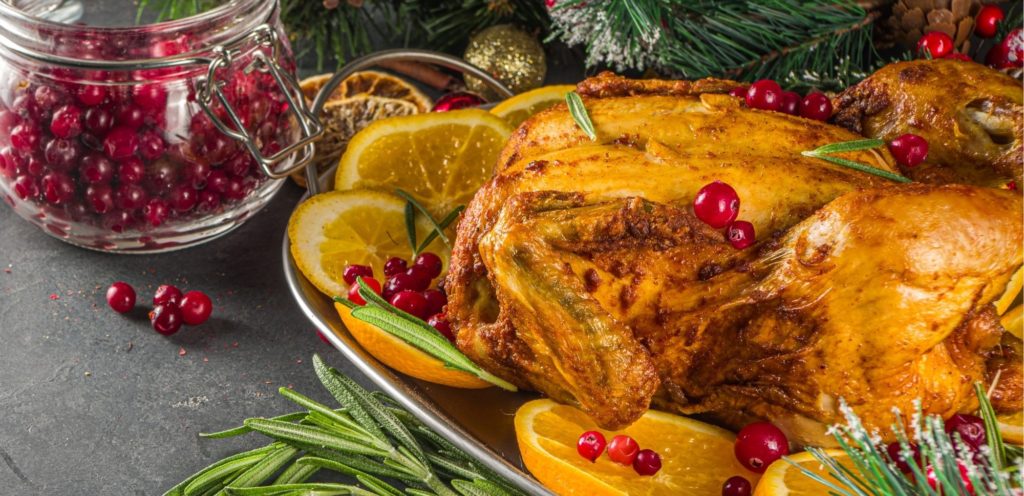
- O cock was a regular at the Christmas Eve table. It was boiled beforehand to make the soup that would start the meal. The rooster was then roasted in the oven and served with rice made from the rooster's giblets;
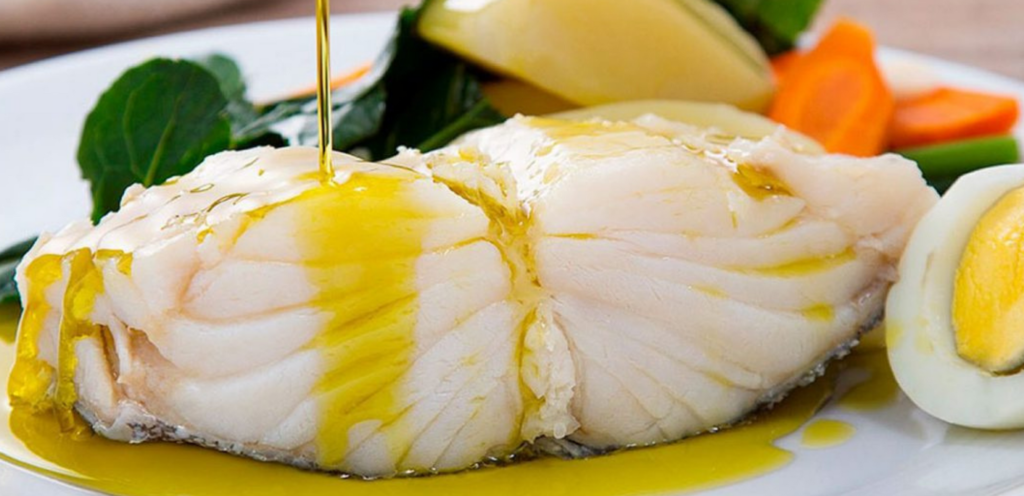
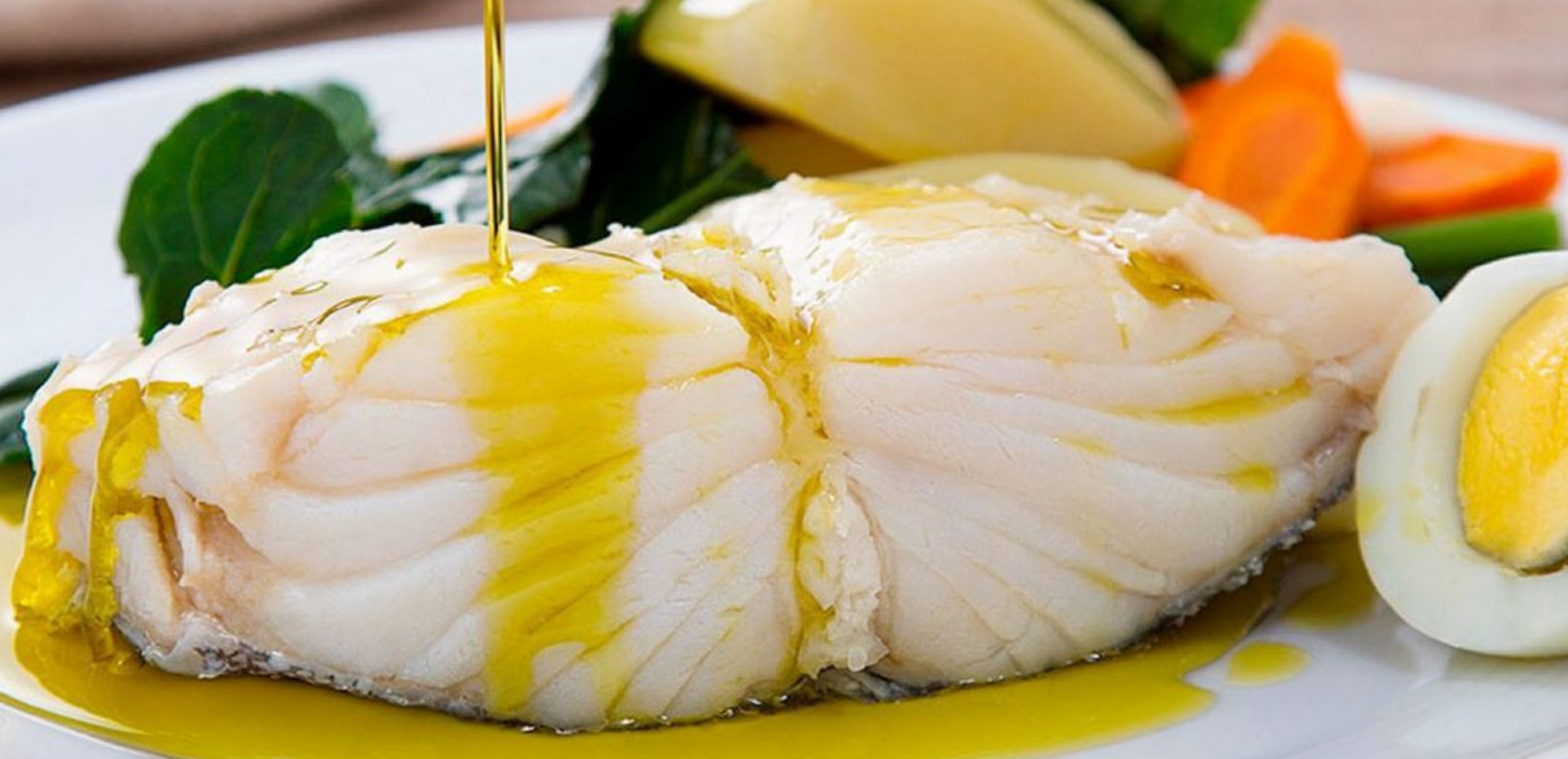
- O boiled cod was another common alternative. It was served with cabbages, eggs and boiled potatoes, all drizzled with the new olive oil that each family produced at this time (all families took great pride in their own olives, which they harvested and processed at the mill in our village. Olive oil was one of the most valued products in our family economy);
- Outras opções havia, como pato assado, o borrego/cabrito assado ou a galinha corada, mas não passavam de alternativas ao galo assado no forno.
Christmas Eve didn't end here! (At this time of year, evening meant late afternoon, as it got dark very early). There would be a lot of hustle and bustle and things to do throughout the night. Let's not forget the frying of children and the hollyThis was usually the responsibility of the women of the family, but first they had to prepare and cook the pasta. It was up to the men of the family to light the fire and keep it going throughout the night. Throughout the night, the stomach would be comforted with roasted cacholeira and barley coffee.
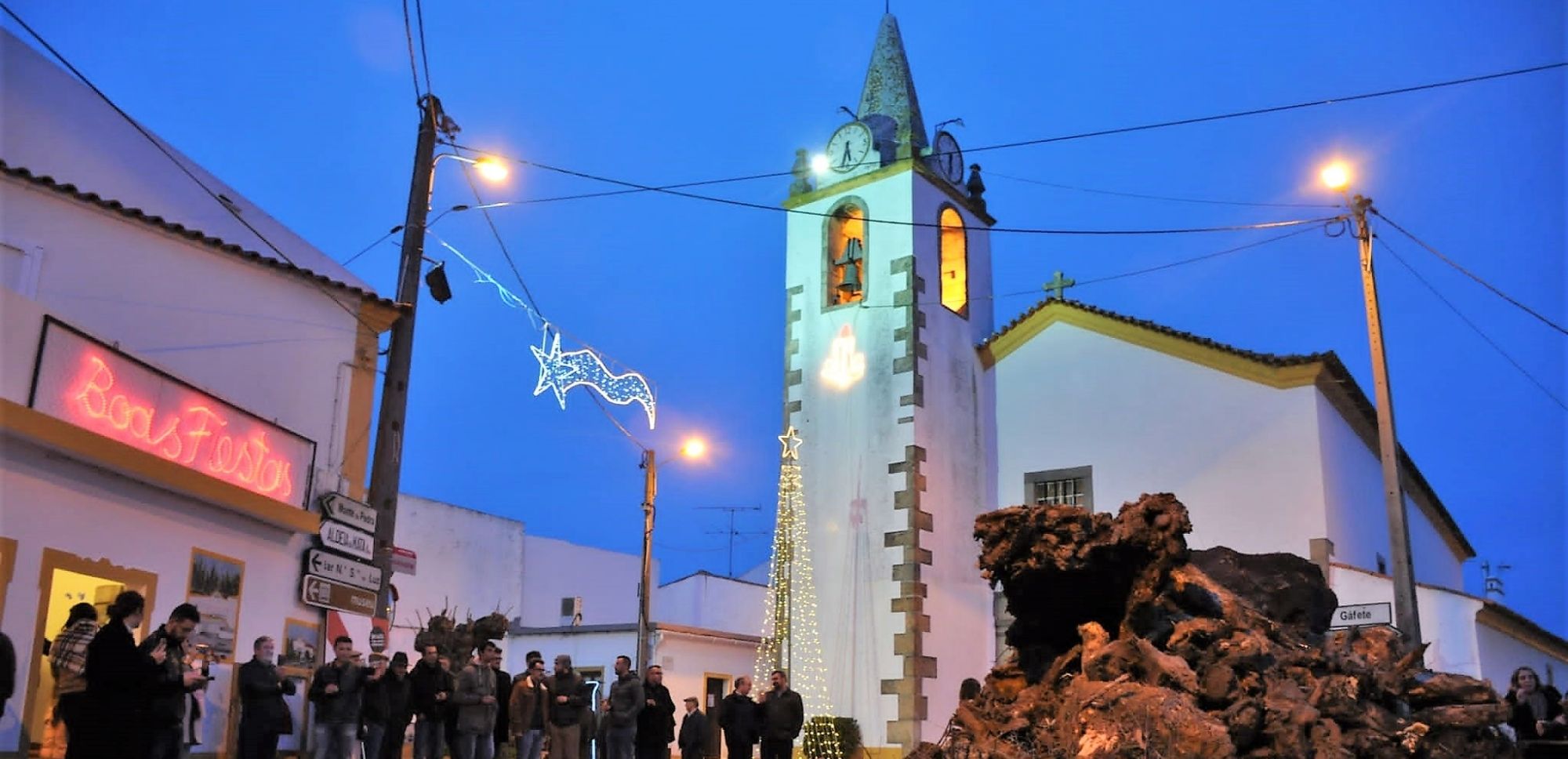
As we can see, Christmas Eve was a long night full of many moments and tasks. However, in the midst of so much activity, there was still room for a trip to the church to attend the Midnight Mass or the bonfire, where huge logs were burning in the churchyard, where wine or some brandy was drunk in a carefree manner.
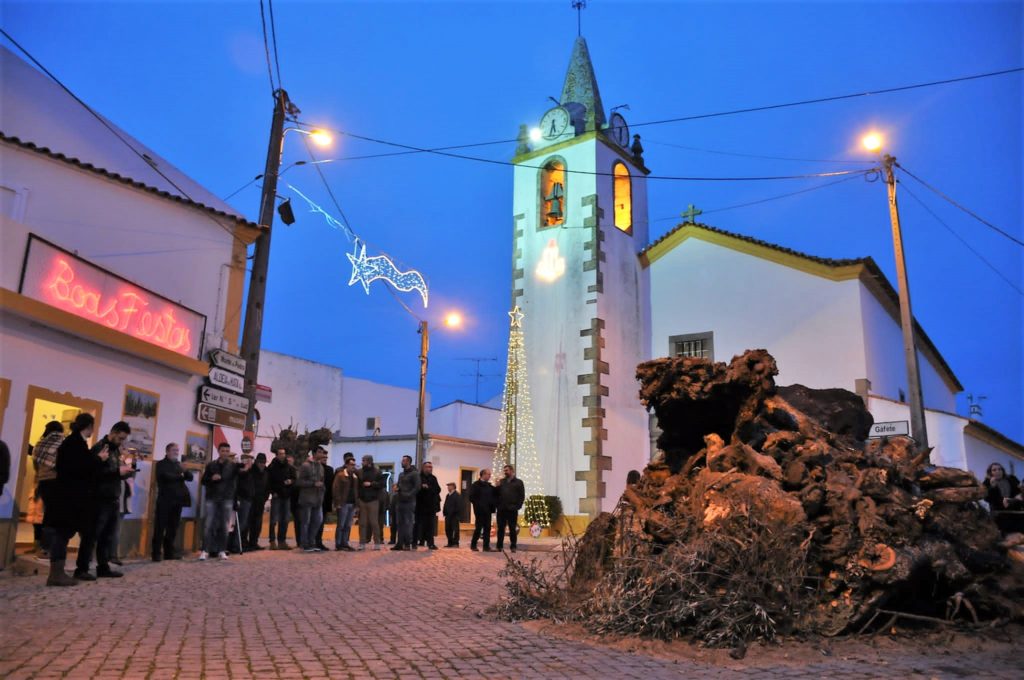
It was late at night when the children, already sleepy, would put their shoes or boots in the fireplace, waiting for the baby Jesus to put his Christmas present there.
And it is on the basis of this centuries-old tradition that Despensa Franciscana has taken on the role of transmitting this culture, promoting the best of what we produce, the excellence of what is ours, and indisputably asserting itself as the heir to the true tradition of our Alentejo.
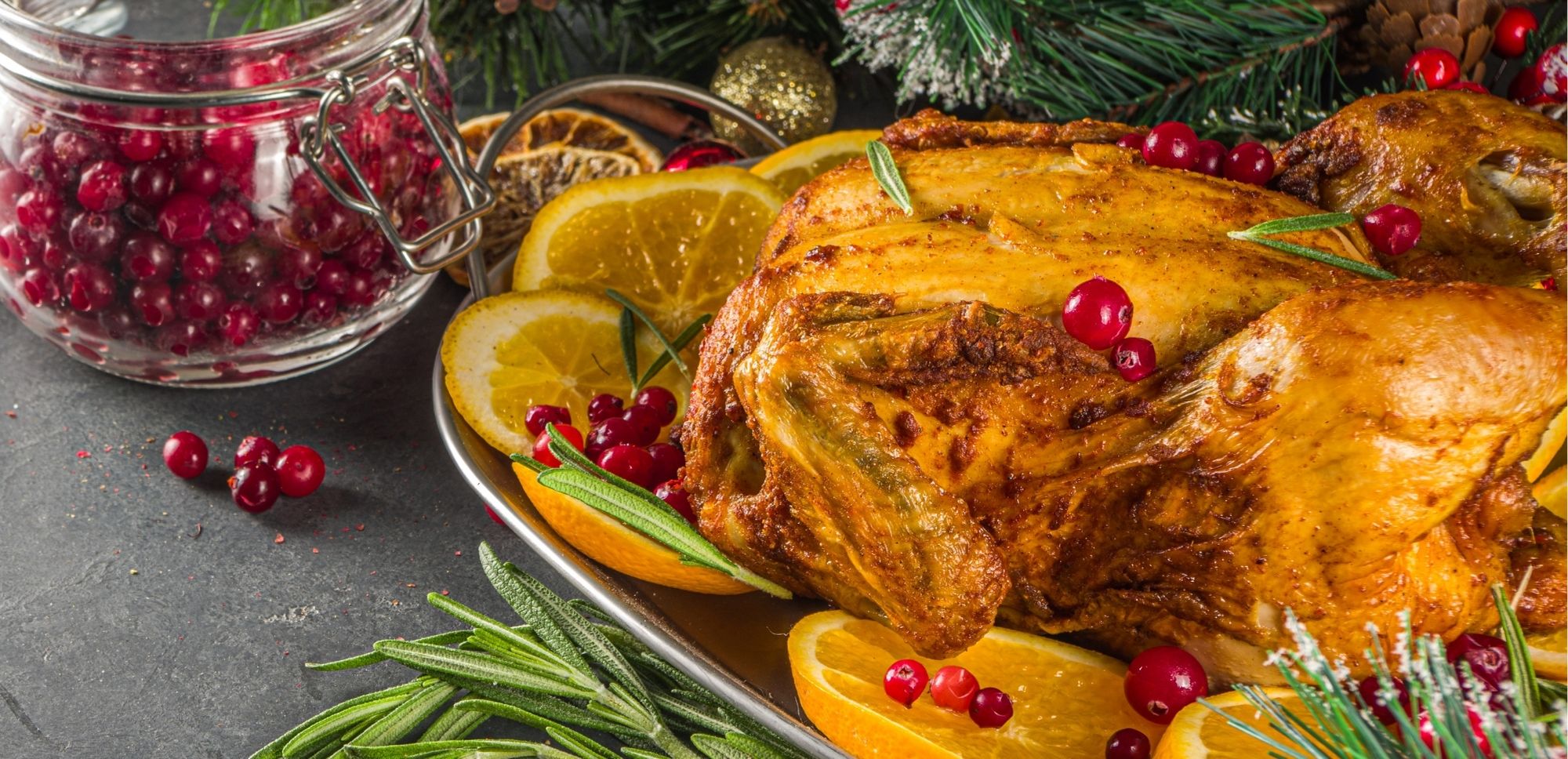
Roast Rooster
What do you eat for Christmas dinner? Around here we eat the typical Roast Rooster and it's delicious. Here's the full recipe!
INGREDIENTS
1 whole rooster seasoned overnight
Giblets to accompany
Seasoning to taste
Crushed garlic
Extra Virgin Olive Oil
Salt
Parsley
White Wine
Half a squeezed lemon
PREPARATION
1. crush all the spices into a syrup. Coat the cockerel all over the inside and outside.
2. Place the other half lemon inside the cock.
3. Brush the bottom of the baking tray with a little olive oil and white wine and, in an oven preheated to 180º, bake slowly at 160º/170º until the skin is crispy (about 2 hours).
4. During roasting, turn the rooster over and sprinkle several times with the liquid that has been released. Serve with rice made from the rooster's giblets.
Share your recipes with us!
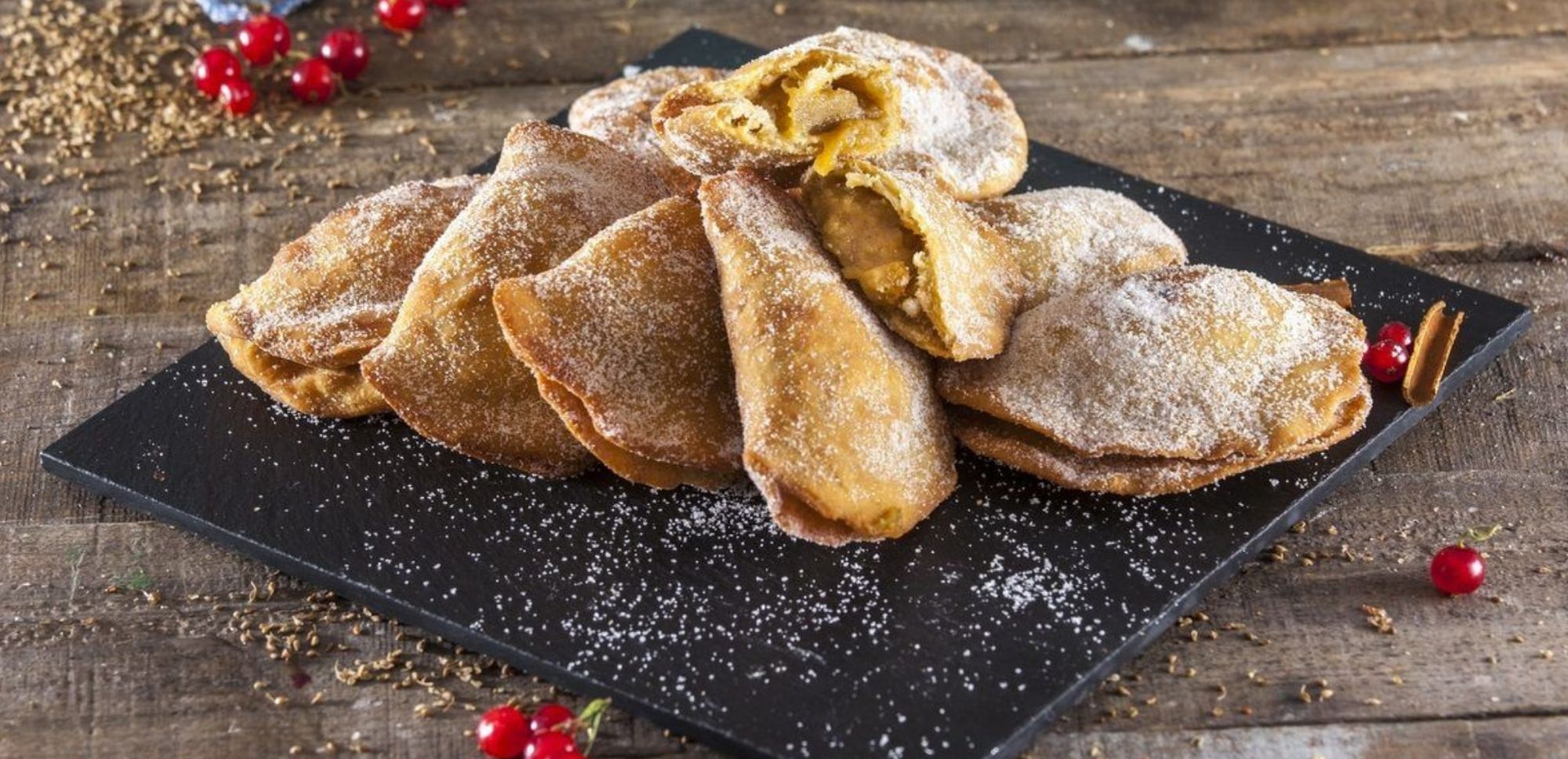
Christmas sorrel
In the Alentejo, Christmas is synonymous with Azevias and so we bring you the recipe courtesy of Eurico Luz!
INGREDIENTS:
For the pasta:
500g flour
3 to 4 tablespoons of fat (a mixture of lard and butter or margarine)
1 glass of brandy
Salt
For the chickpea filling:
1kg of grain
750g sugar
2 lemons
1 dessert spoon of cinnamon powder
3 yolks
PREPARATION:
Boil the chickpeas with a pinch of salt, mash them and pass them through a fine sieve. Bring the sugar to the boil with 2 dl of water and boil for 1 or 2 minutes.
Add the mashed chickpeas, cinnamon and lemon zest. Bring the mixture to the boil, stirring until you see the bottom of the pan. Remove and add the egg yolks and bring the mixture back to the boil to sew the yolks together. Leave it overnight. Sift the flour into a bowl and make a well in the centre to pour in the hot fat.
Mix together. Add the brandy and then knead, adding a few drops of warm water seasoned with salt. Knead the dough well and leave it to rest in a temperate environment. Roll out the dough very thinly and fill it with a little of the prepared jam.
The sorrel is cut into half-moons (like rissoles), triangles or rectangles (like meat pasties) and fried in very hot oil or olive oil.
Sprinkle with sugar or sugar and cinnamon.
Share your recipes with us!
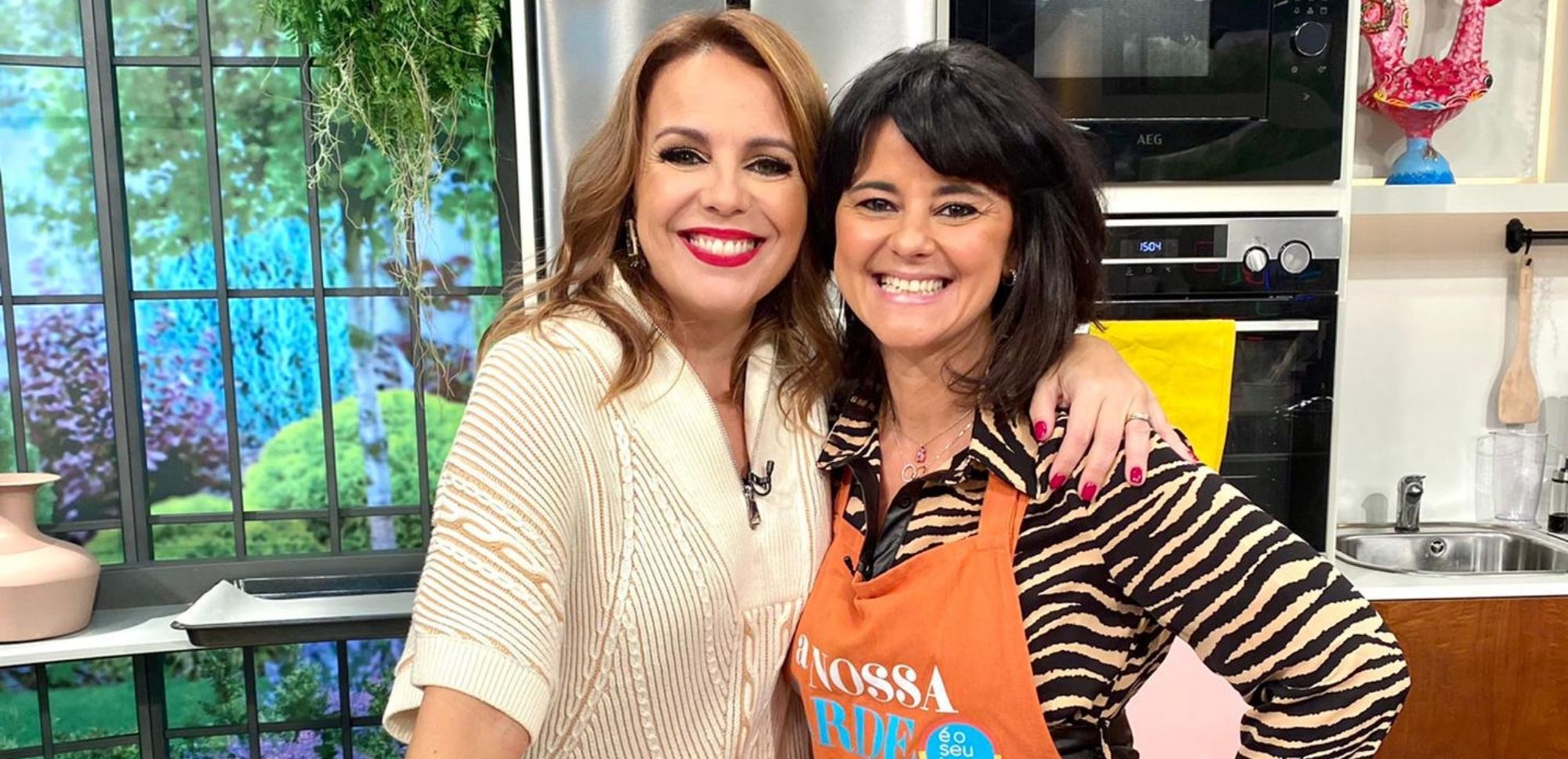
We went to the programme Our Afternoon
Despensa Franciscana went on the A Nossa Tarde programme on RTP1 with dear Tânia Ribas de Oliveira. We were represented by founder Suzana de Matos and presented three recipes using only products from our Pantry: Açorda Alentejana, Shitake Mushroom Puffs with Black Pork Tenderloin and Penne with Black Olive Paste. We also went to Vale do Peso to see Suzana's house and our Ginjinha Franciscana. In case you missed it, you can watch it now here!

Christmas filberts, Vale do Peso style
In Vale do Peso we can't do without Christmas Filhós! Enjoy this special recipe!
? Ingredients
0.5 kg flour
100 g lard
2 tablespoons of margarine
1 glass of brandy
warm water and salt qb
? Preparation
1. combine all the ingredients and knead well until you have a smooth, even dough.
2. Leave to stand for about 5/6 hours.
3. Using a rolling pin, roll out the dough into rectangles of approximately 15x10cm, make two small strokes along the length and fry in hot oil.
4. Sprinkle with sugar to taste.
Are you going to try it this Christmas?
Recipe courtesy of Eurico Luz.
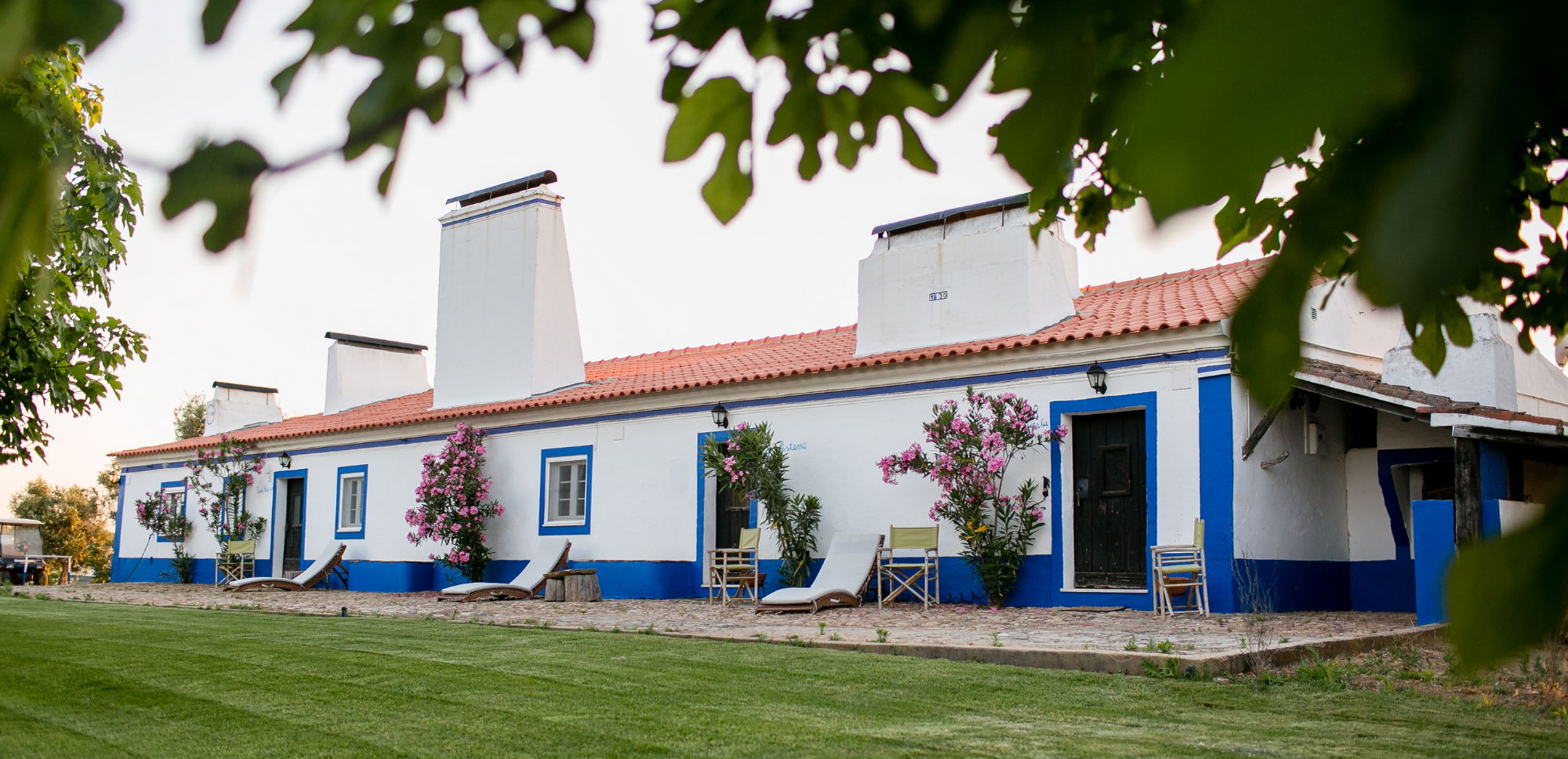
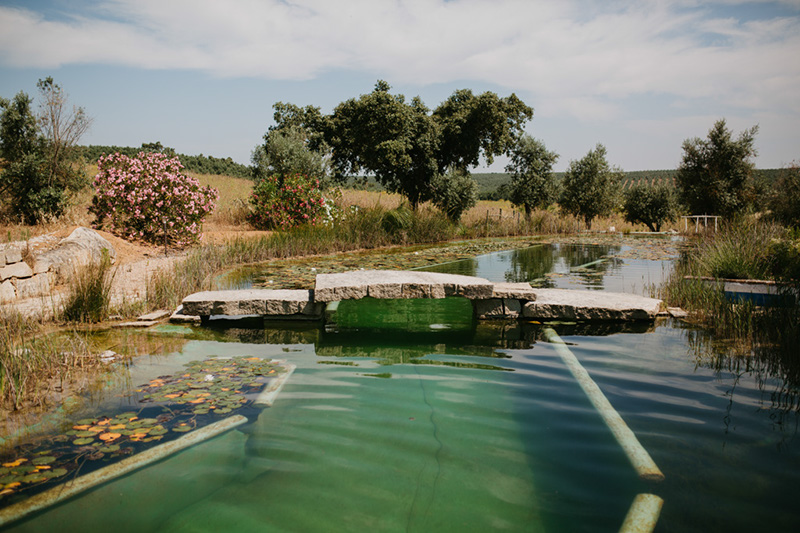
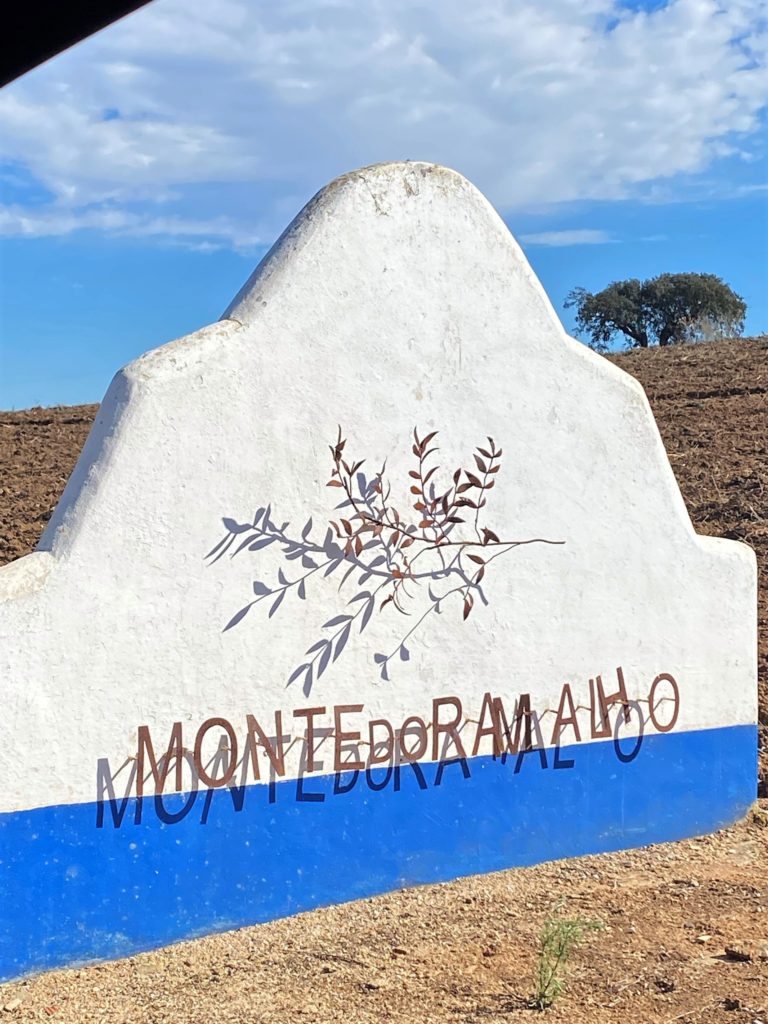
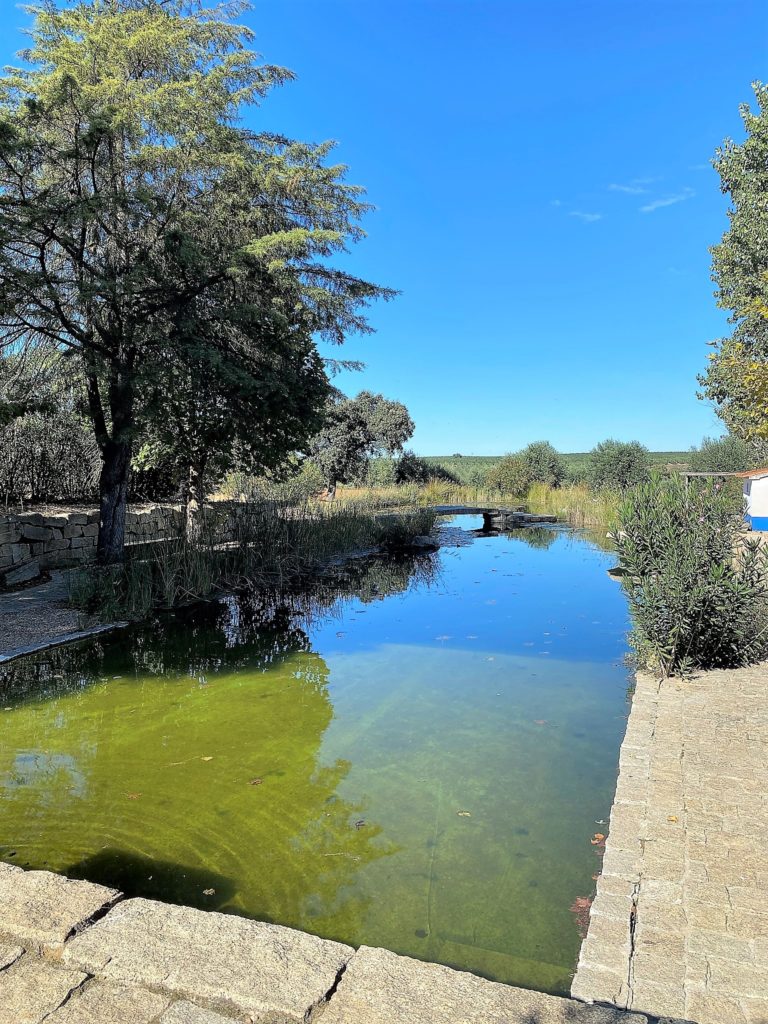
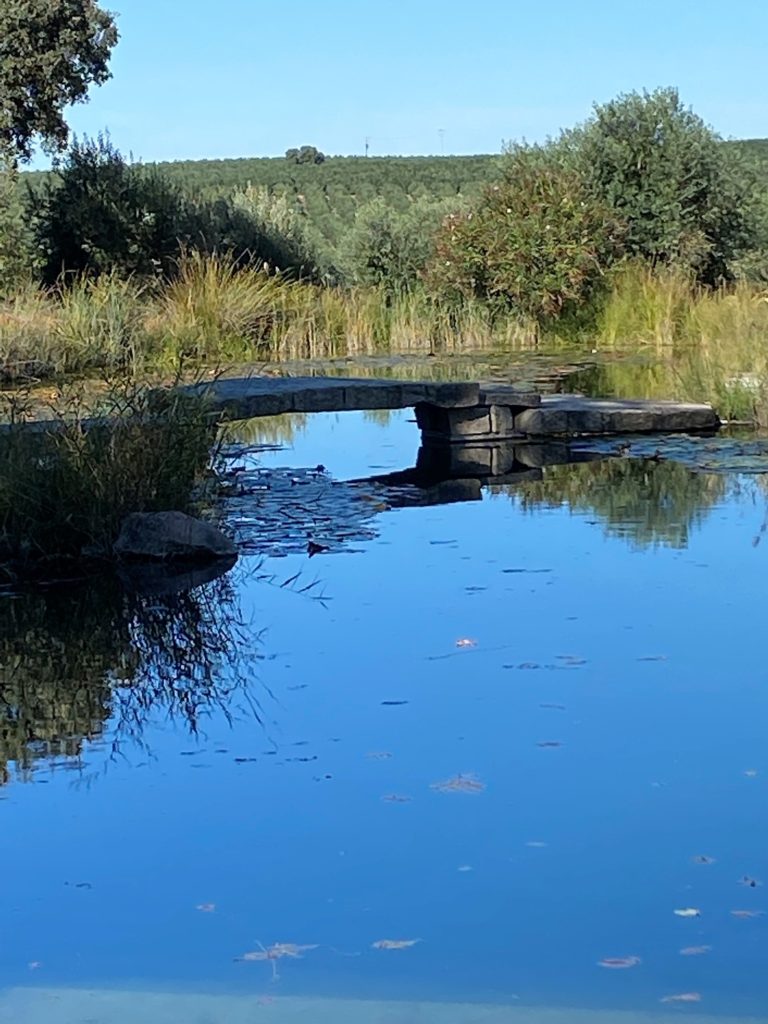
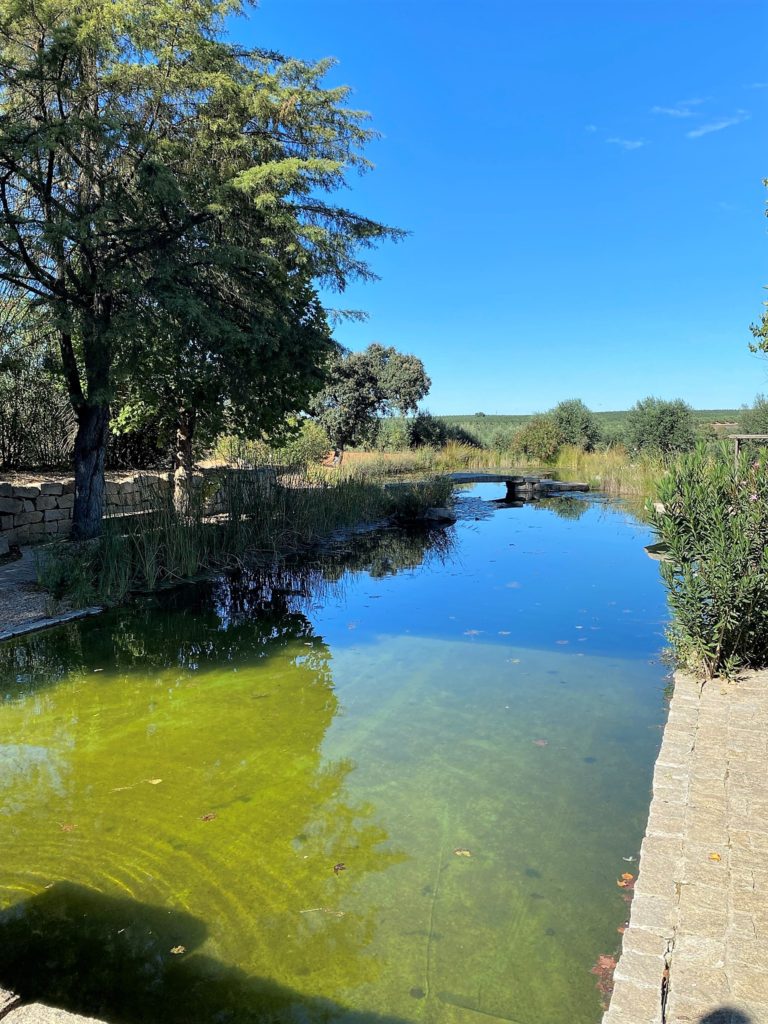
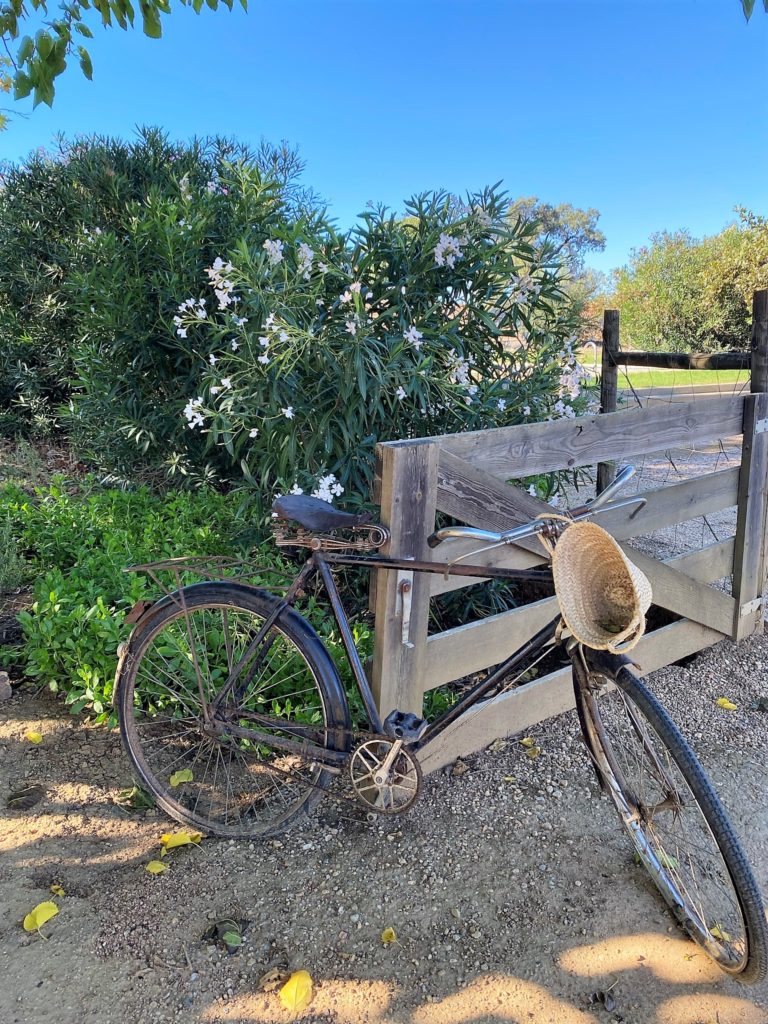
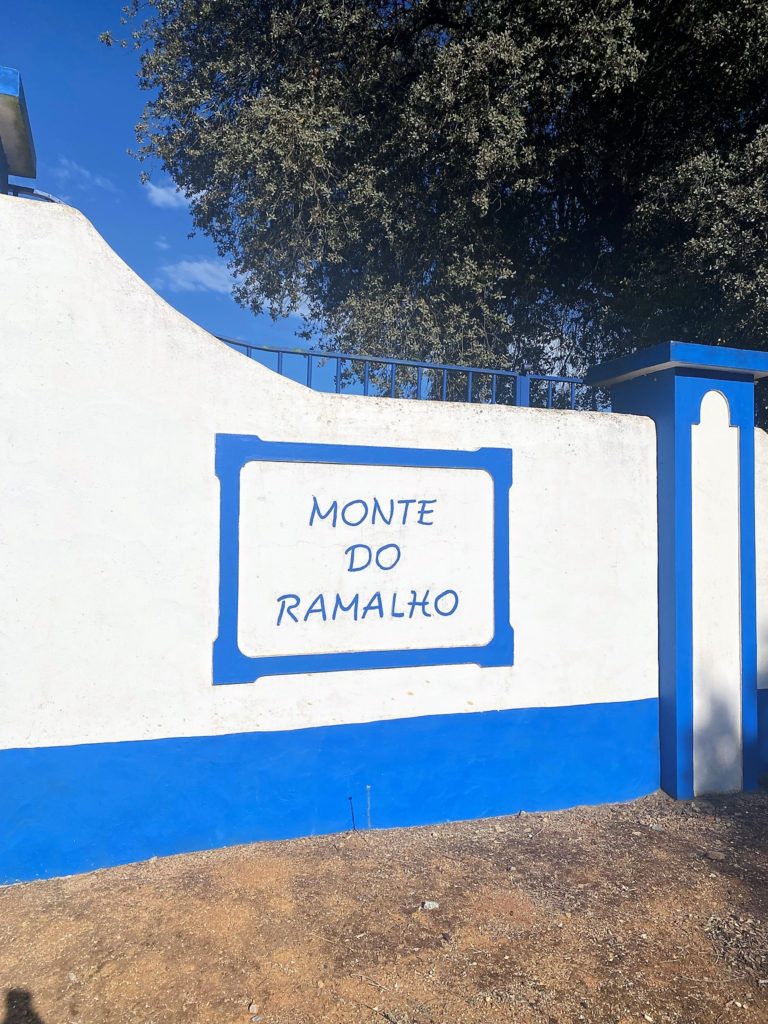
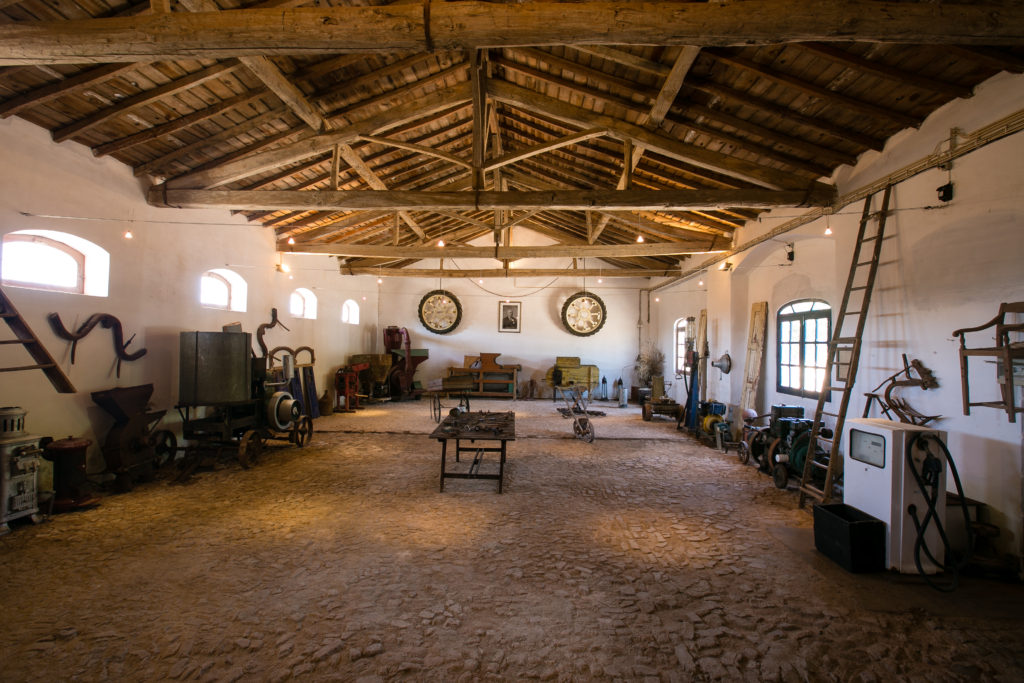
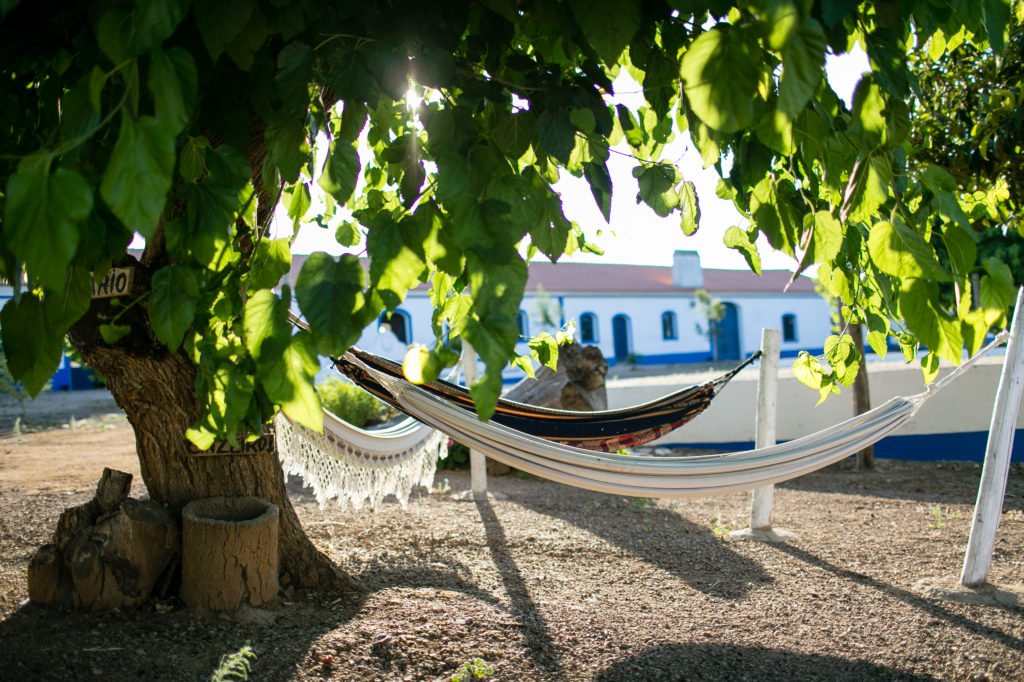
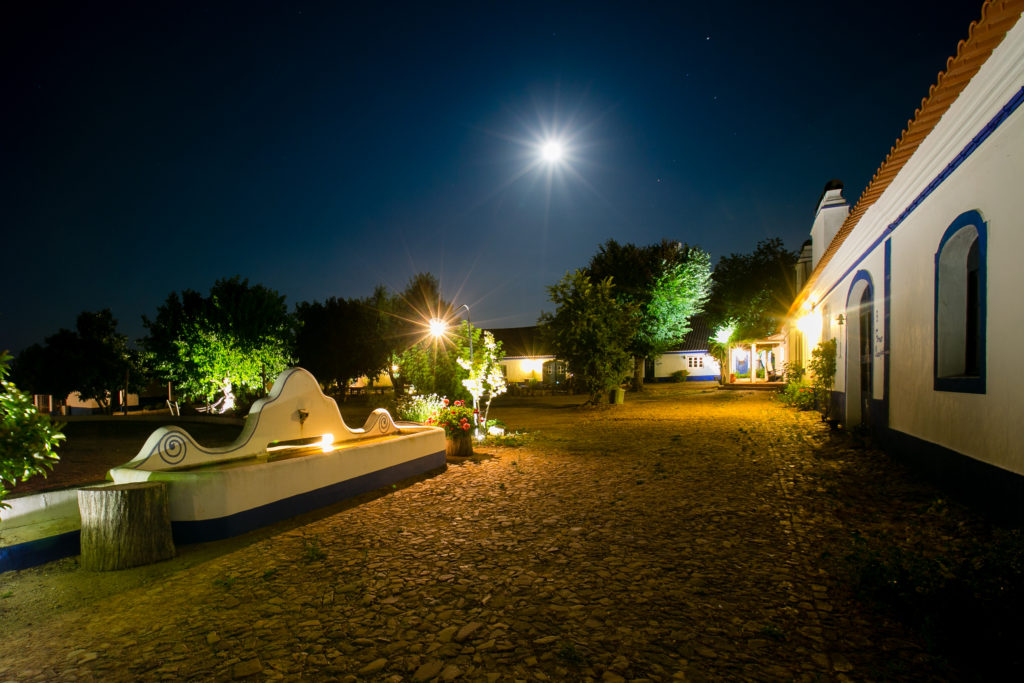
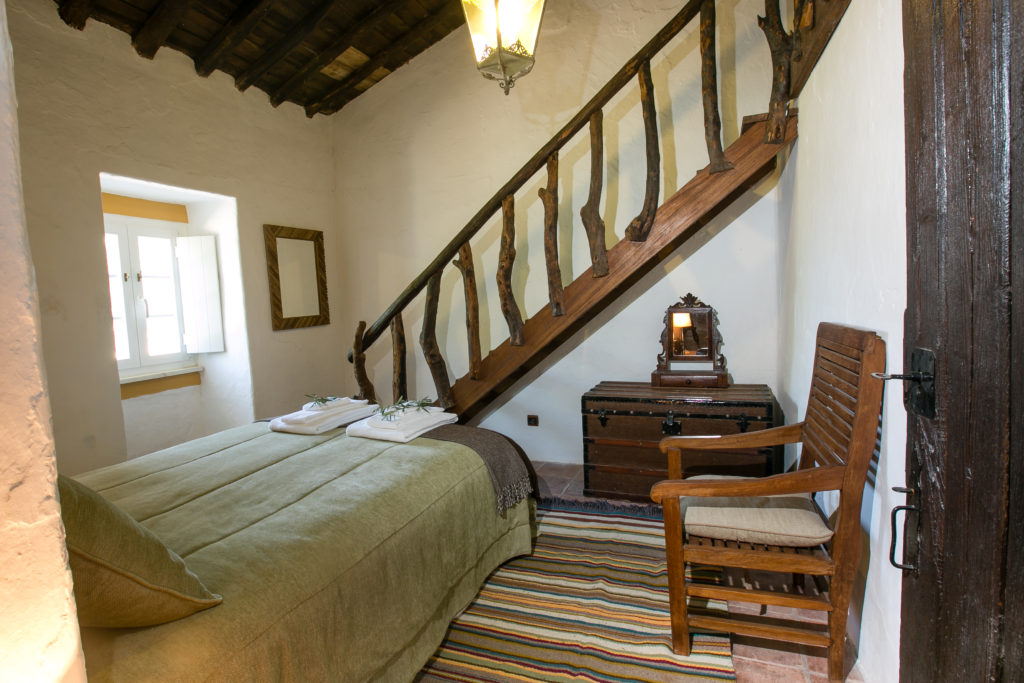
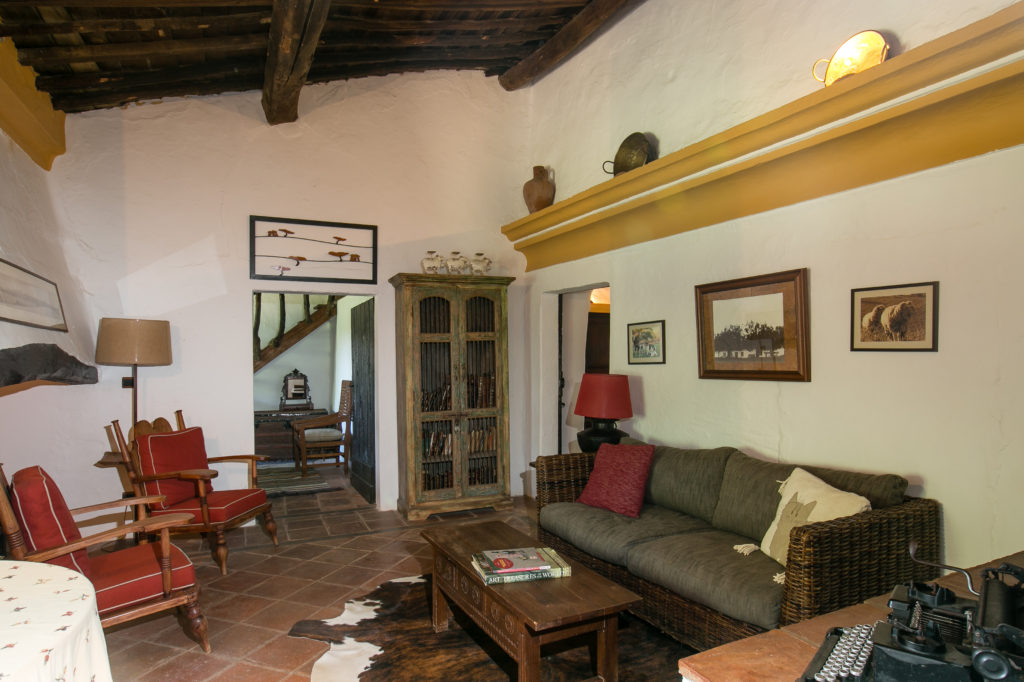
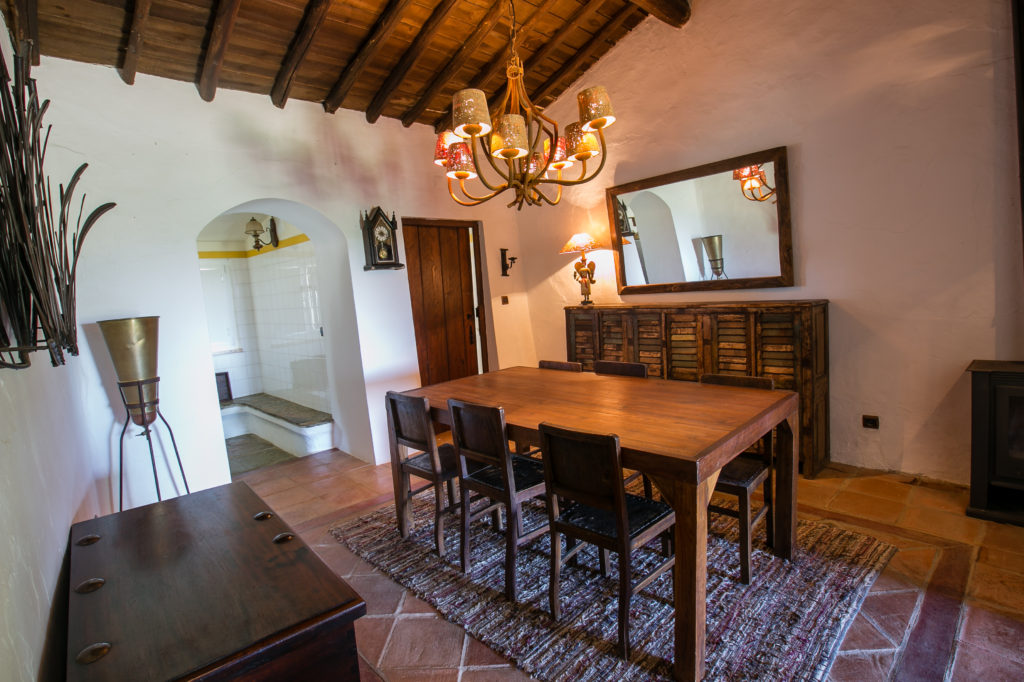
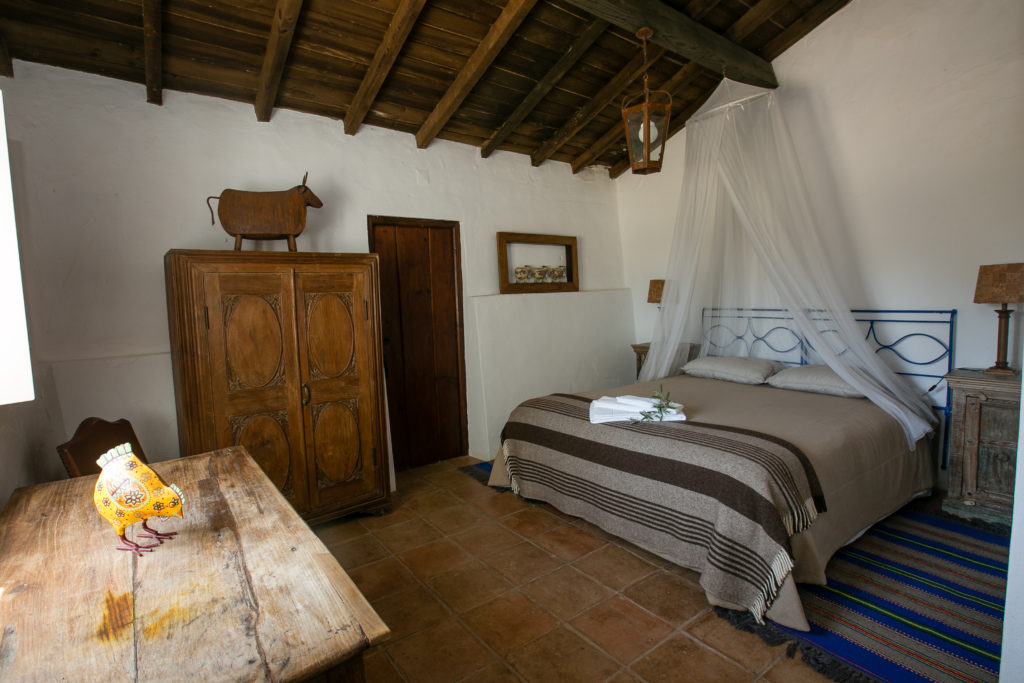
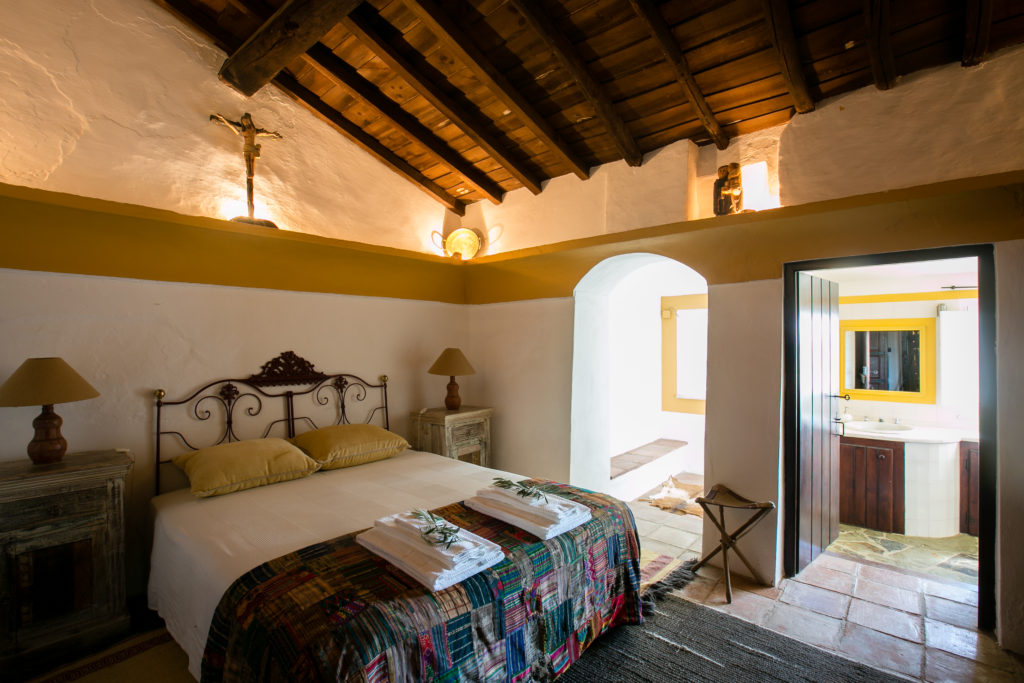
Monte do Ramalho - The most genuine Alentejo landscape
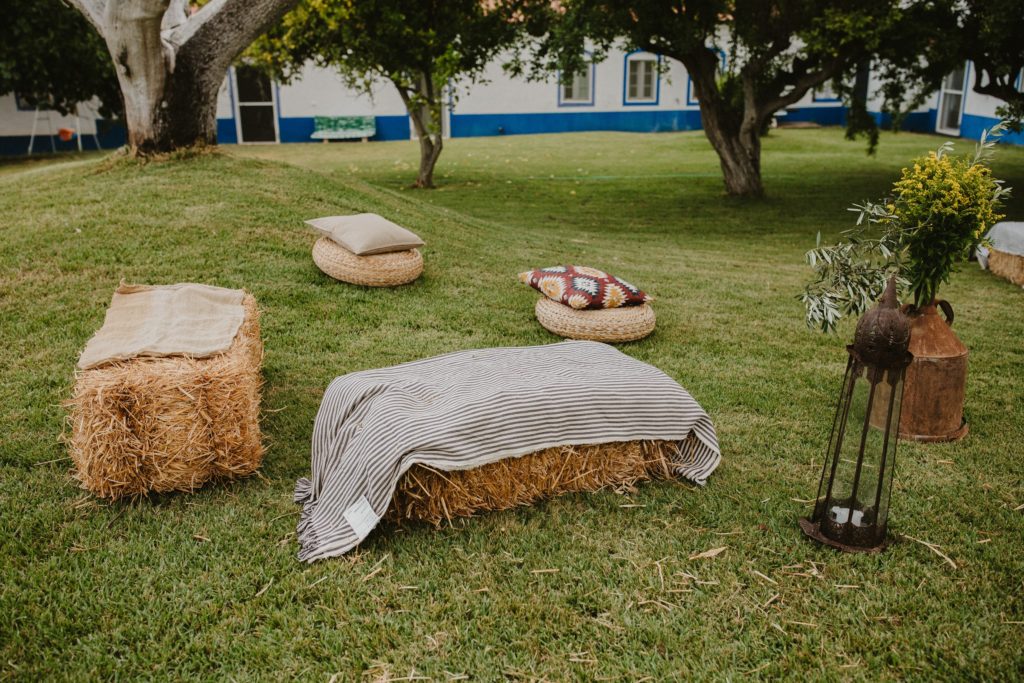
Monte do Ramalho belongs to a typical Alentejo estate with around 100 years of history in the same family.
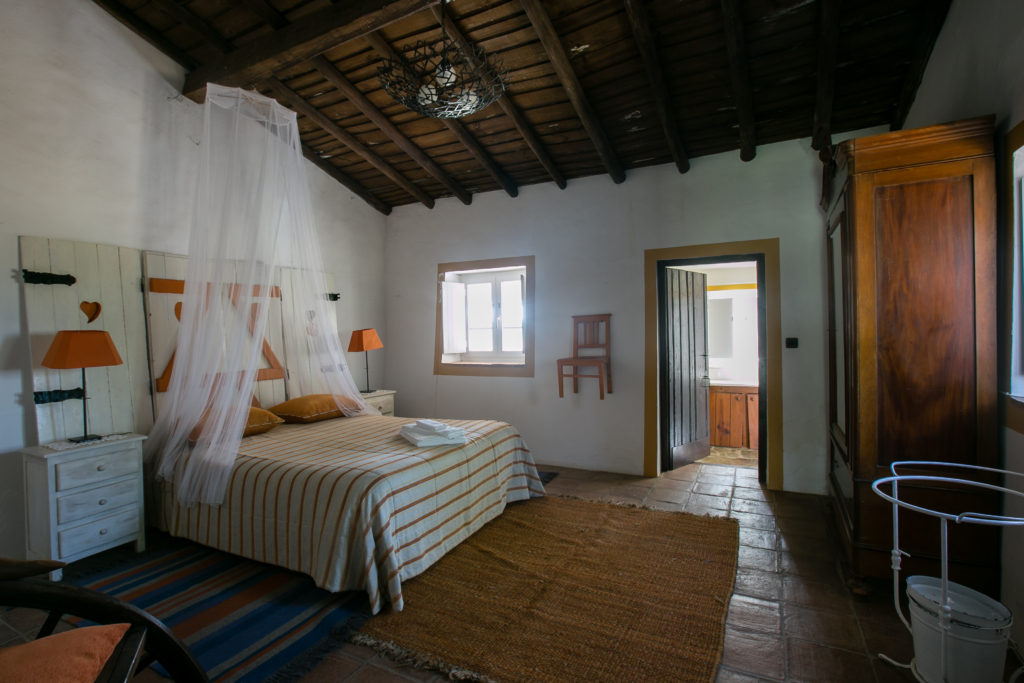
Initially founded as a farmhouse, today it has all the necessary conditions to welcome guests in a cosy and peaceful atmosphere through the different Alentejo houses on its property.
Surrounded by the most beautiful Alentejo landscape and located in the Rota dos Vinhos area, Monte do Ramalho has everything to offer unforgettable moments of pleasure and relaxation.
The hill is located in the district of Portalegre, more specifically in the municipality of Avis. It is a region very rich in historical, cultural and landscape heritage, with a unique gastronomy in Portugal.
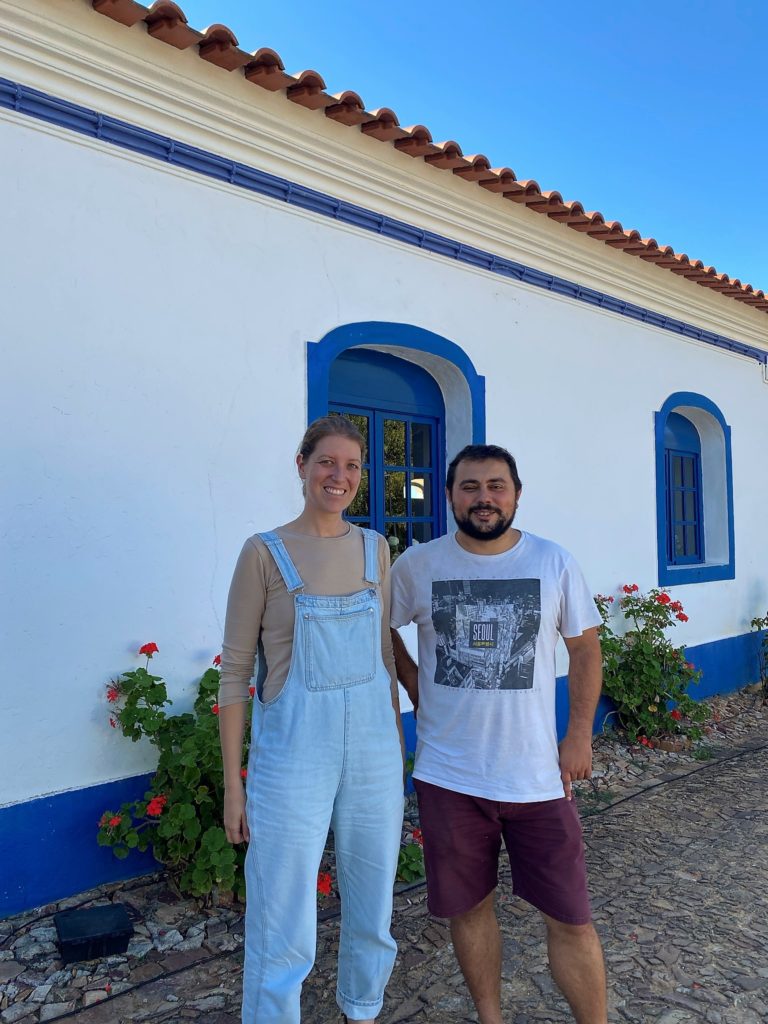
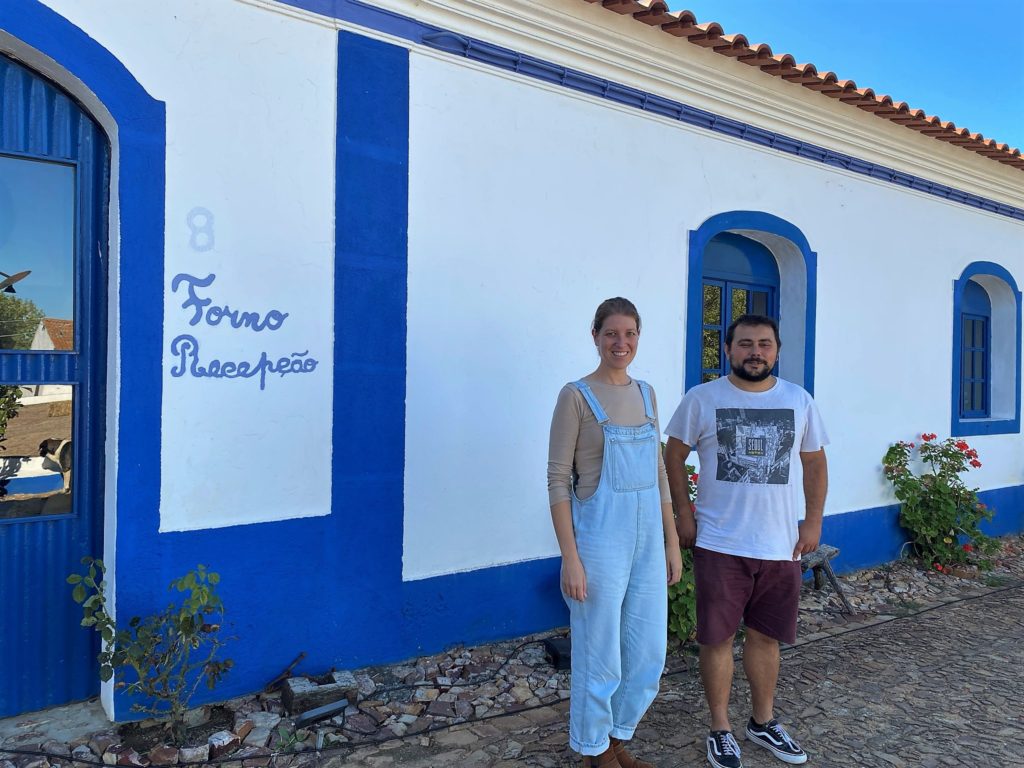
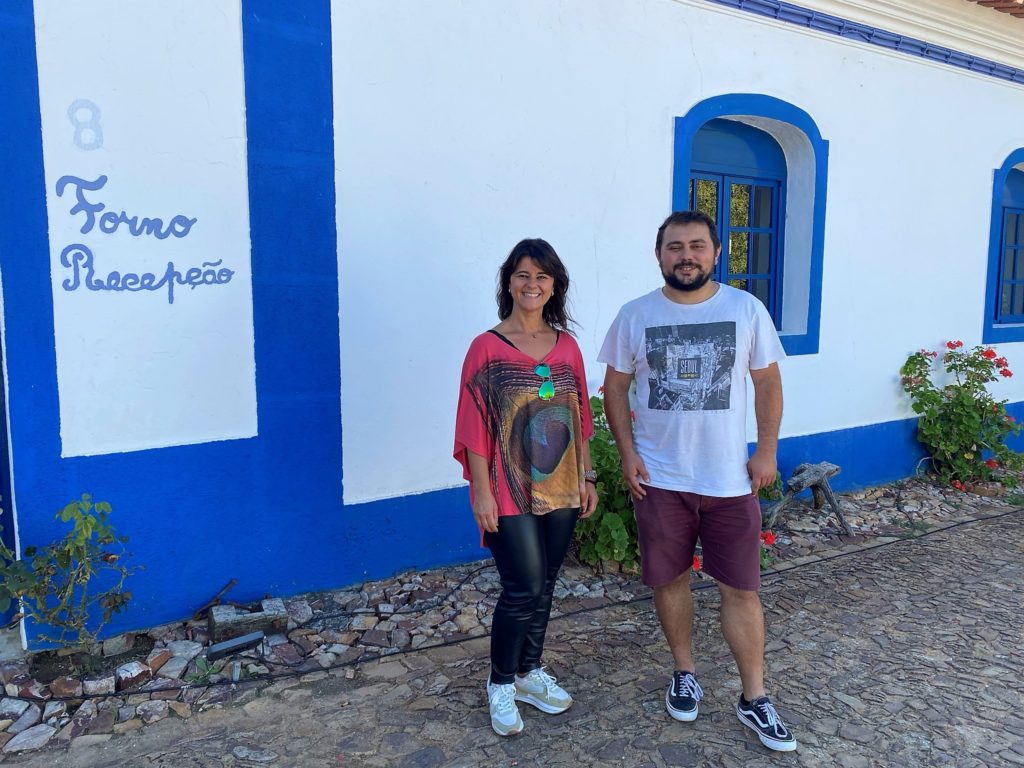
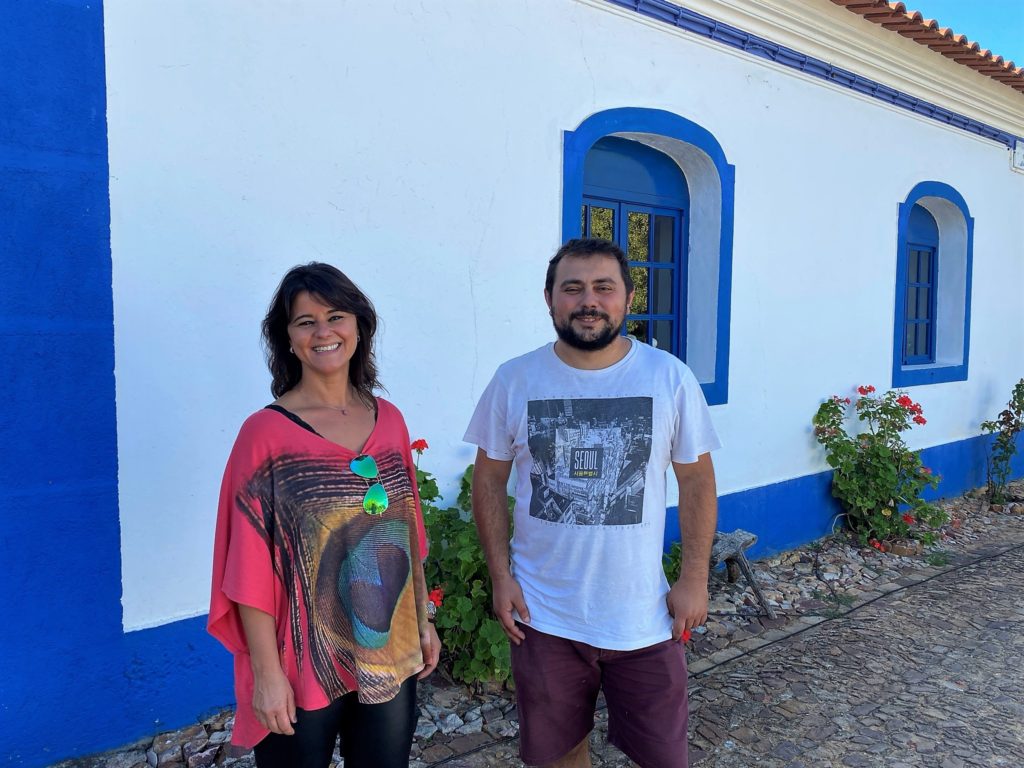
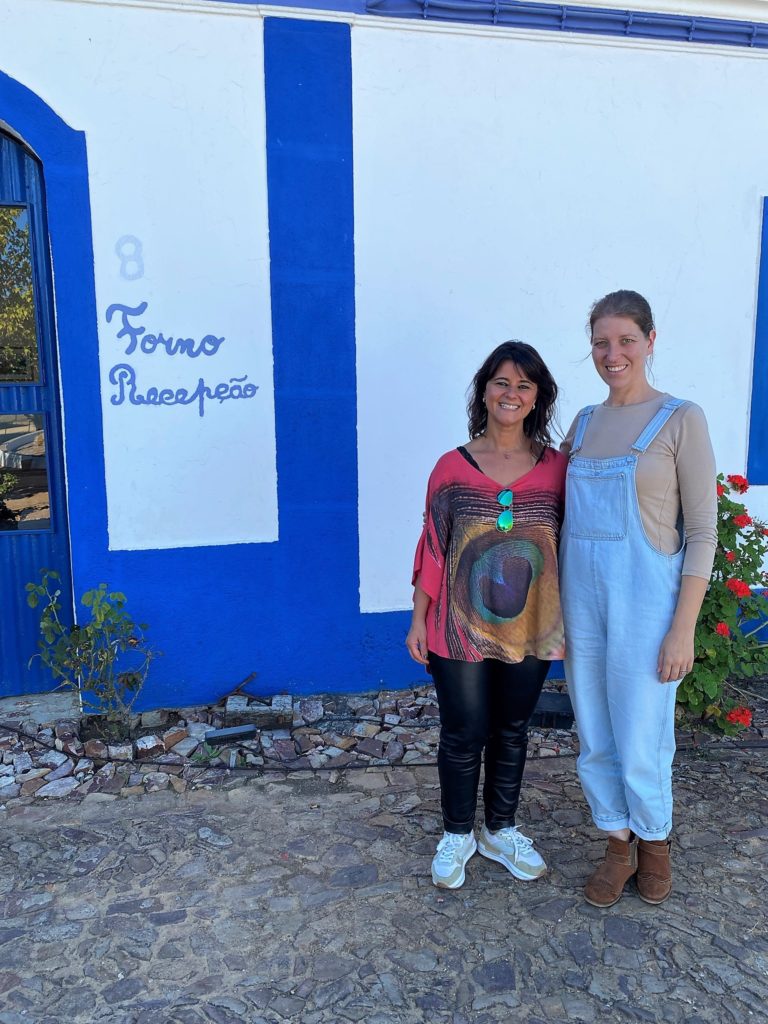
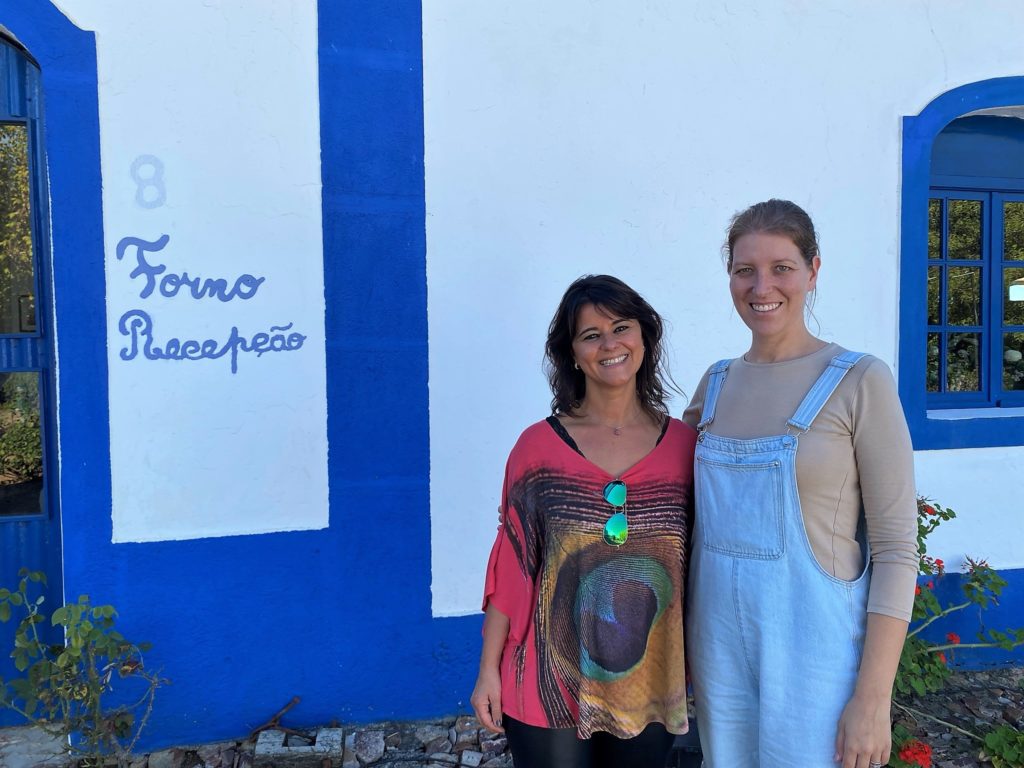
Despensa Franciscana went to see the place and spoke to Manuela and Diogo, who are in charge of events and the commercial area at Monte do Ramalho. It's also their responsibility to look after this paradise and the day-to-day work.
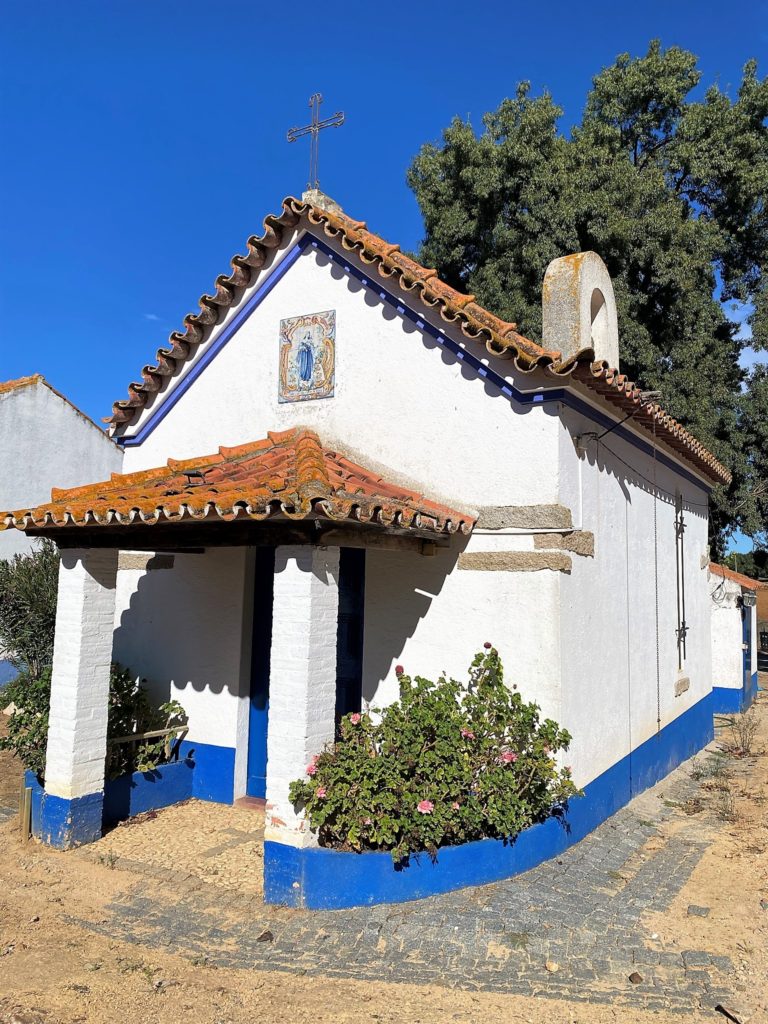
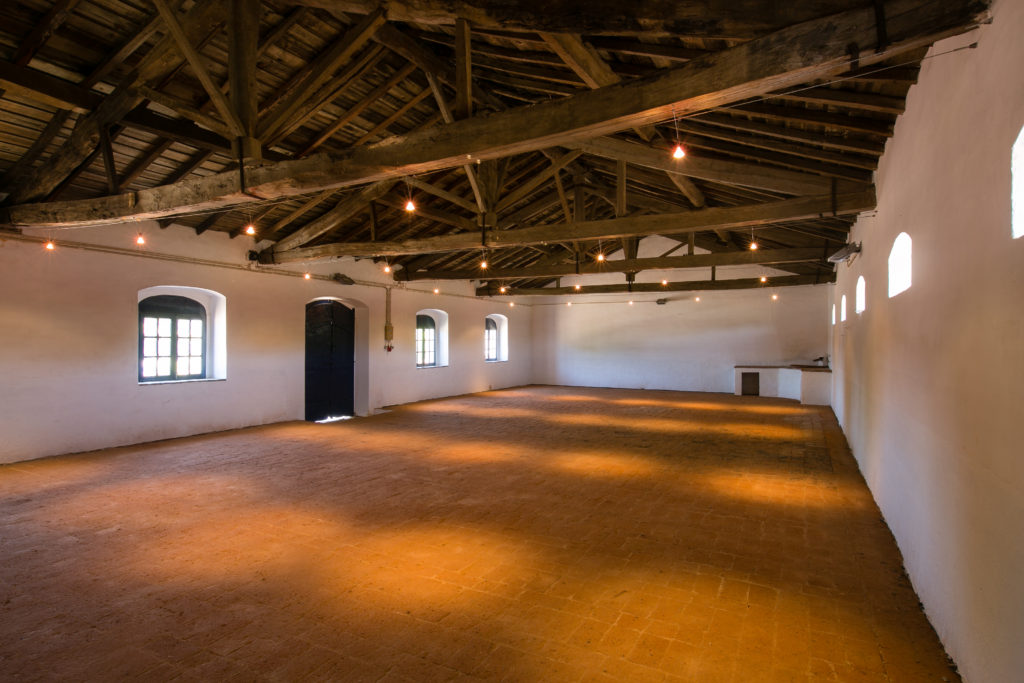
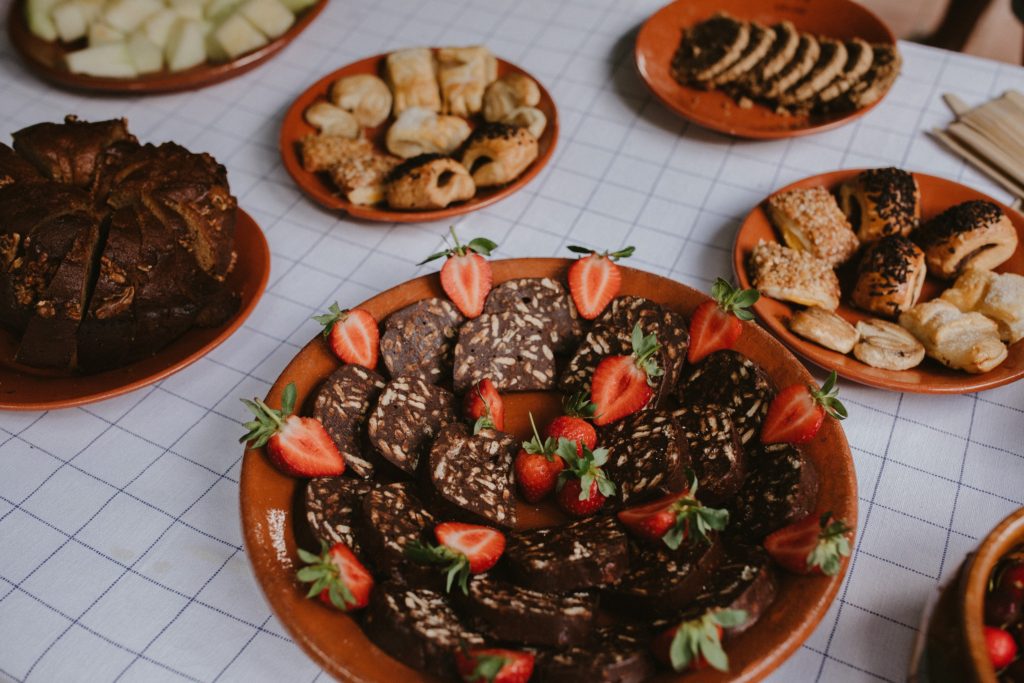
This is the ideal place to hold wedding parties, baptisms or celebrate a special occasion. It has a chapel and many spaces, both indoors and outdoors, which can be transformed into a dream venue for one day, tailored to all your ambitions.
If you're thinking of taking your company's employees on a team building outing, this could also be the ideal place to do it, as the surrounding nature, combined with the tranquillity of the location, will provide unique moments.
Visiting Monte do Ramalho is like stepping back in time and you can still hear the silence!
Cod with Cabbage
Christmas is almost here and with it the marvellous recipes we make at this time in the Alentejo! Discover the recipe for the typical Bacalhau com Couves, even more special when made with ingredients from the Franciscan Pantry.
? Ingredients
5 cod steaks
2kg potatoes
2 cabbages
4 eggs
4 cloves of garlic
3dl Organic Extra Virgin Olive Oil
Salt
? Preparation
1. Soak in water the day before.
2. Peel and slice the potatoes.
3. Wash the cabbage well.
4. Put the potatoes, eggs and cod in a pan of salted water to boil. Once it's boiling, add the cabbage and leave to cook.
For the sauce:
1. heat the olive oil with the crushed garlic cloves and bring to the boil.
2. Add vinegar, to taste, and keep warm.
Are you going to try it this Christmas?
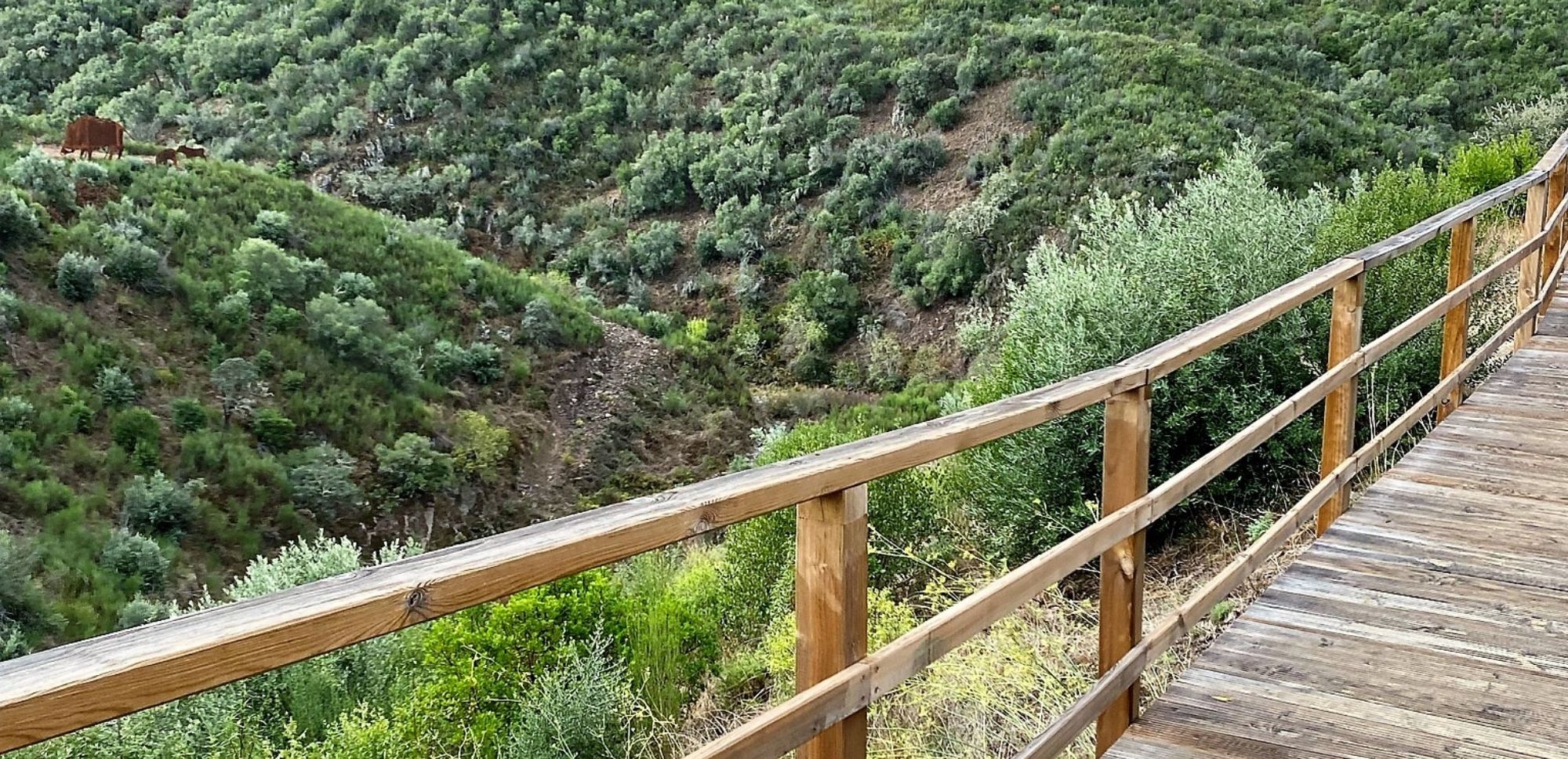
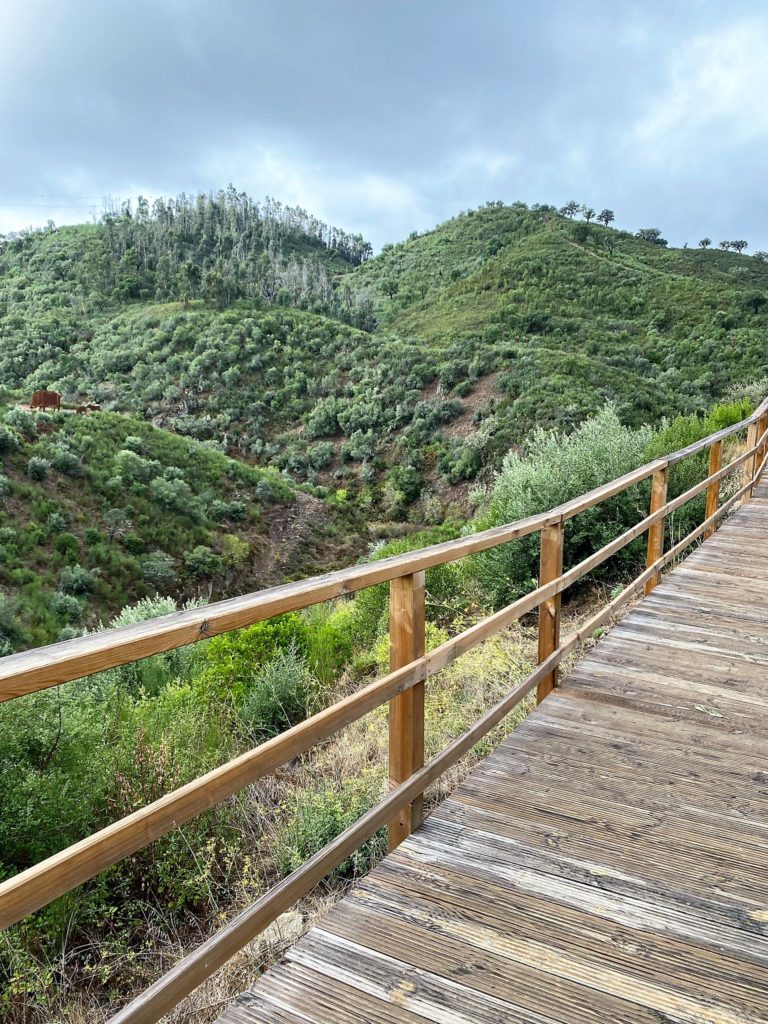
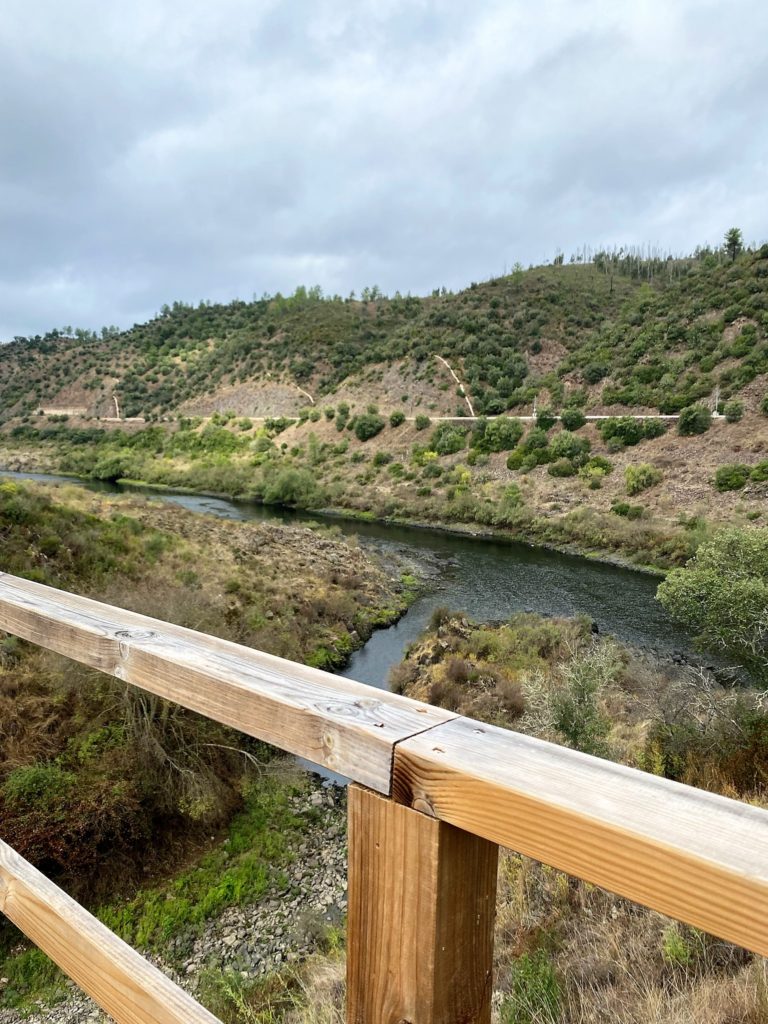
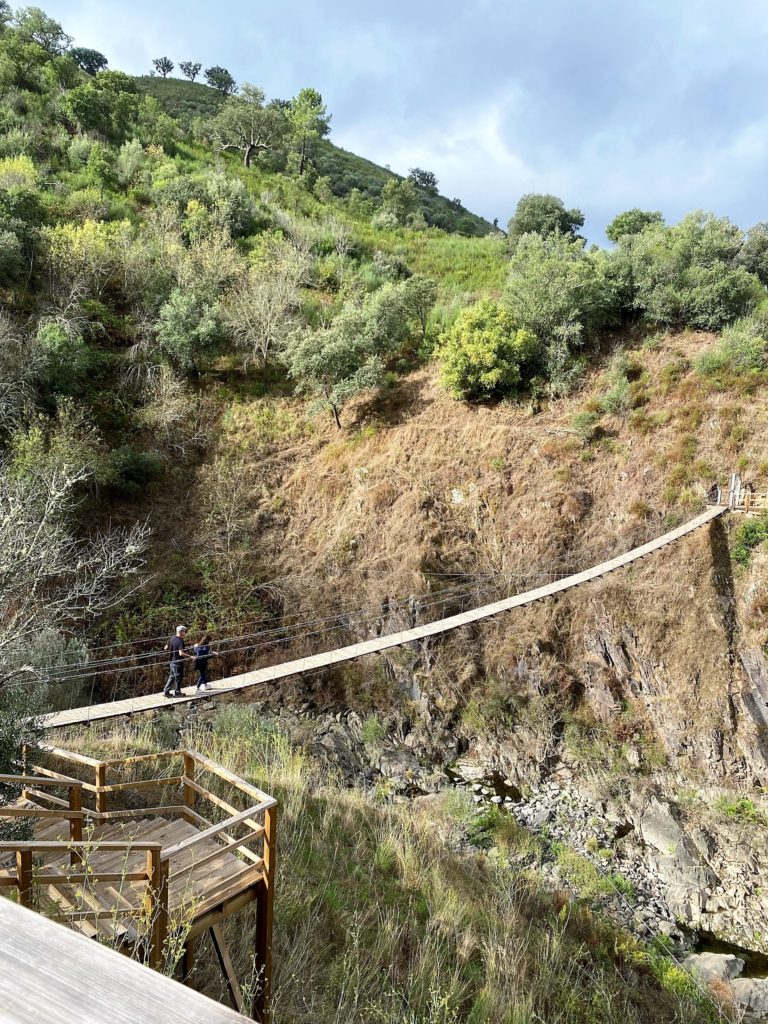
Trilho da Barca D'Amieira
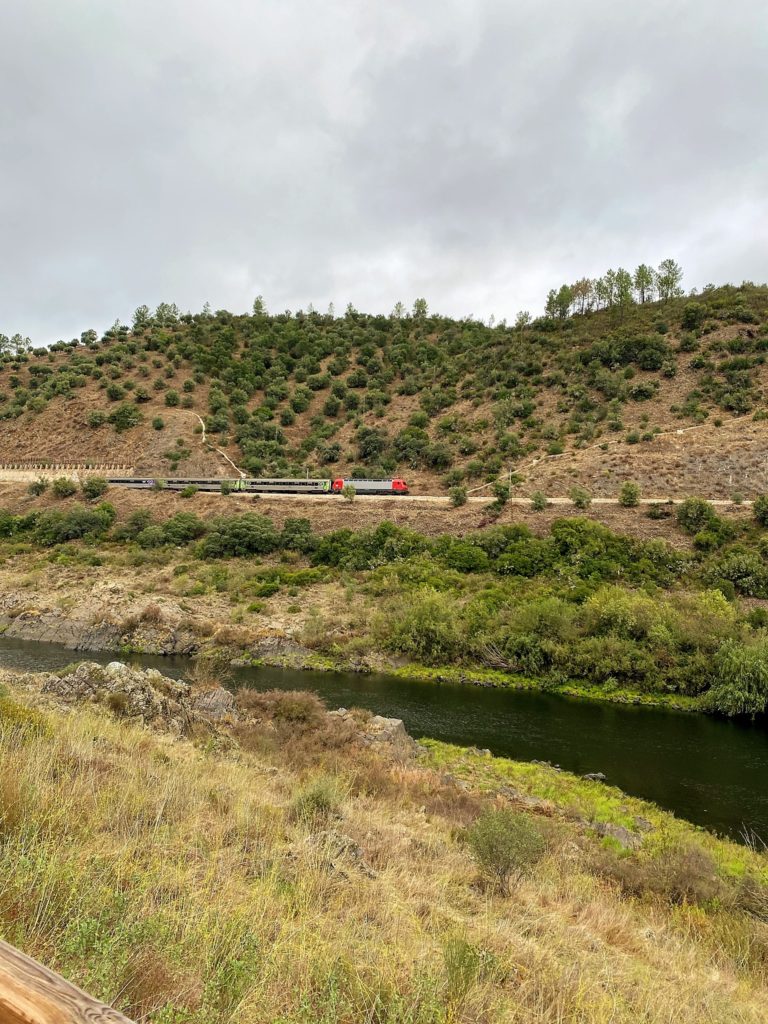
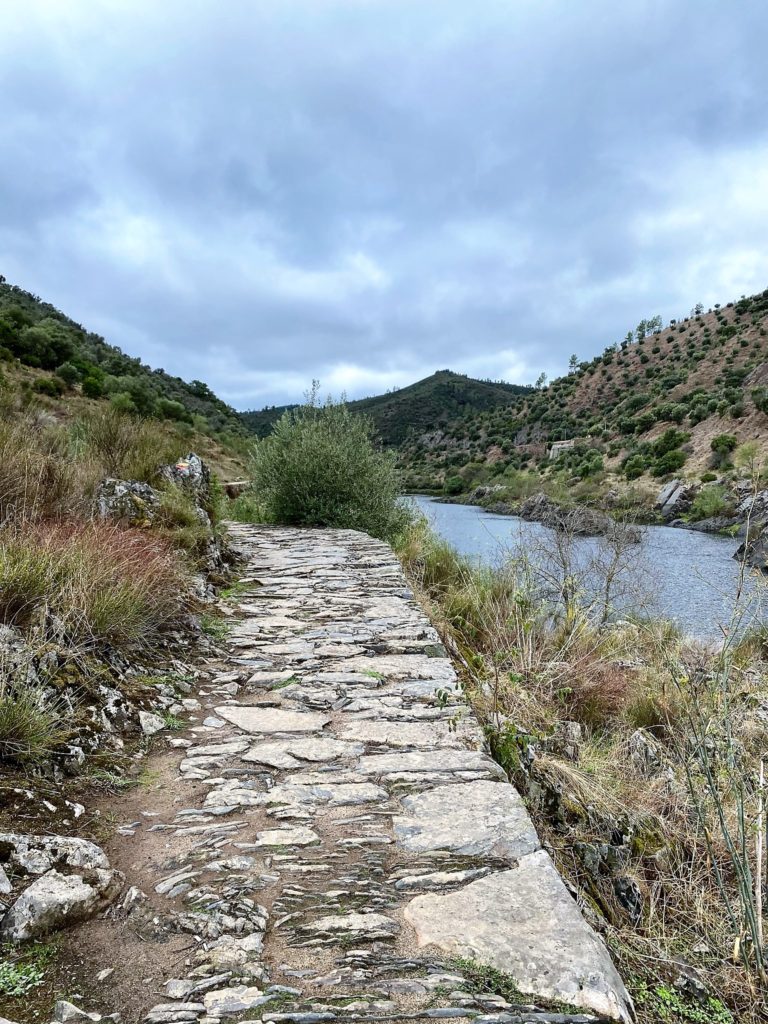
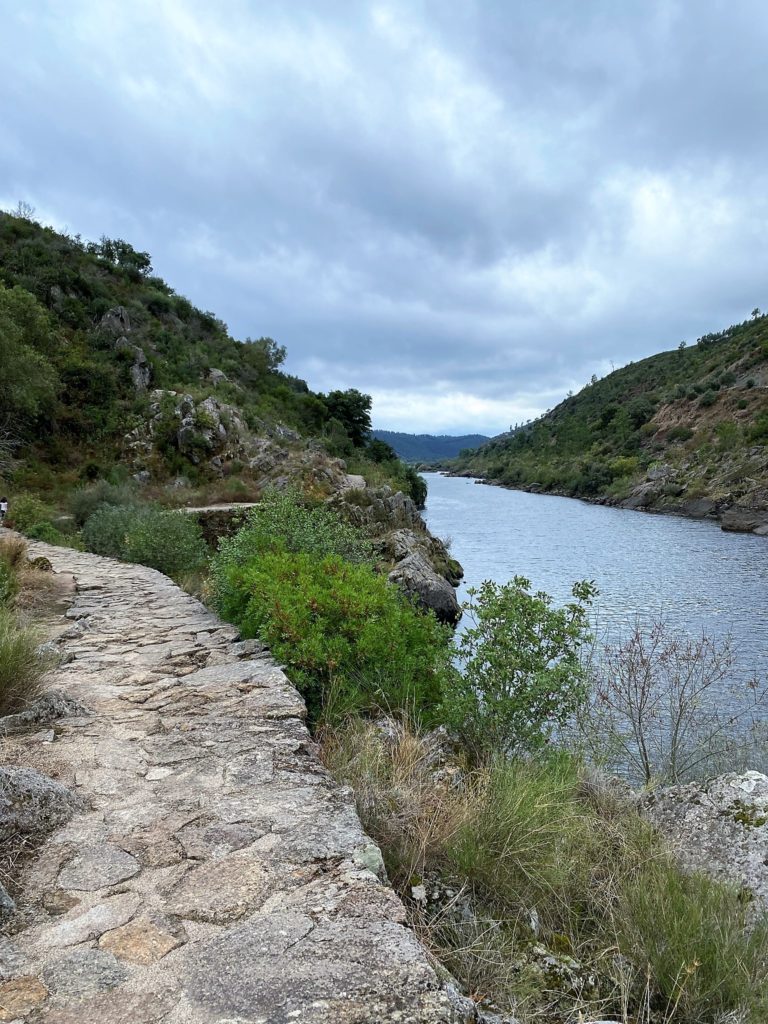
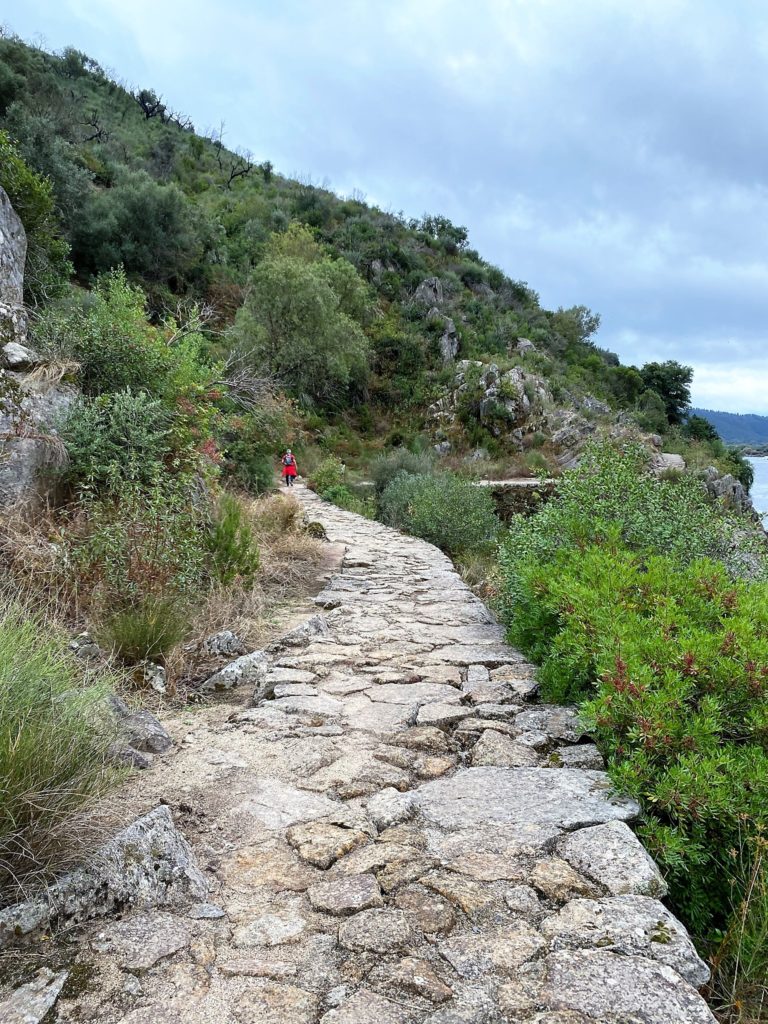
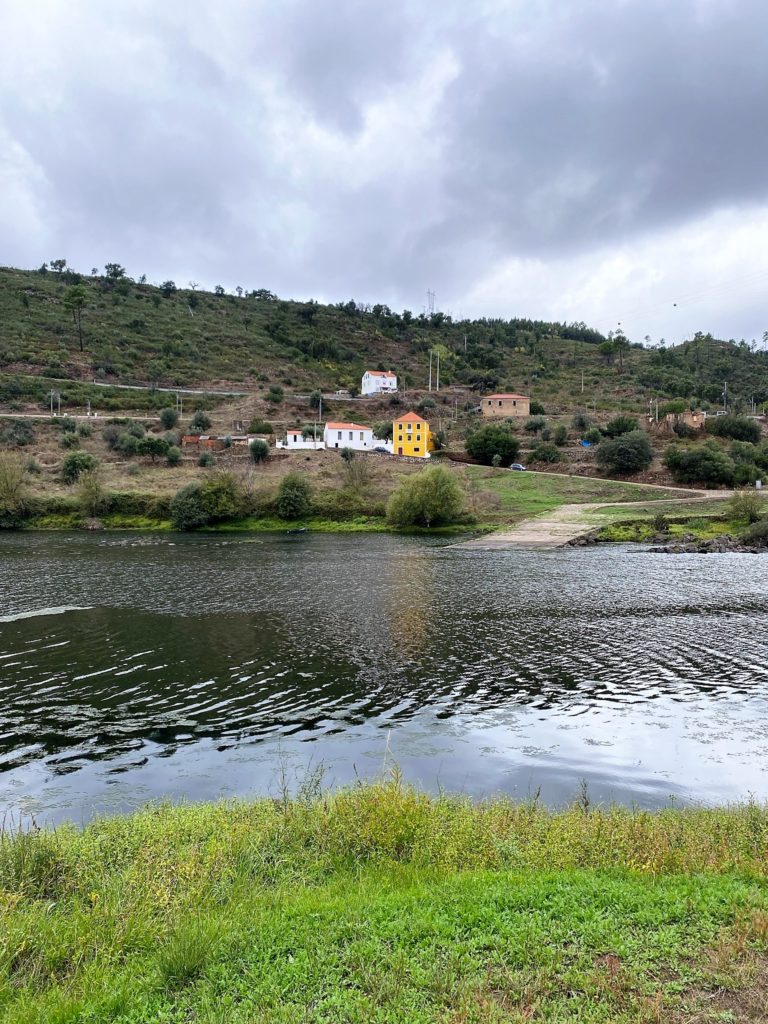
Walking the Barca da Amieira Trail allows us, in addition to physical exercise, to experience memories and senses, which are perpetuated here with rigour and almost magically release with every step we take along the winding, bucolic path that follows the Tagus on its long, slow journey to the sea. This same Tagus that separates and unites the Alentejo and Beira and which witnessed the Herculean labour of the men who towed the boats along its banks, pulling a strong sisal rope, and left their marks here that will last for many generations: the Muros (Walls).
of Sirga. Let's stop for a moment and imagine hearing the sound of murmuring, of the uncontained groans of brute, manual force breaking a silence that is as merciless as it is complicit and painful.
There are no longer any batéis or bateiras, but if you're lucky you can still see some partridges and the wild boar and foxes that are their natural predators, which blend in with the undergrowth of rosemary and broom, with their unmistakable and unique scents. At every bend in the route, always with the Tagus as company, that flow of water that we dare say determines its existence, we are enveloped by a balanced, harmonious and sustainable relationship with nature, which gives us almost uncontrollable emotions.
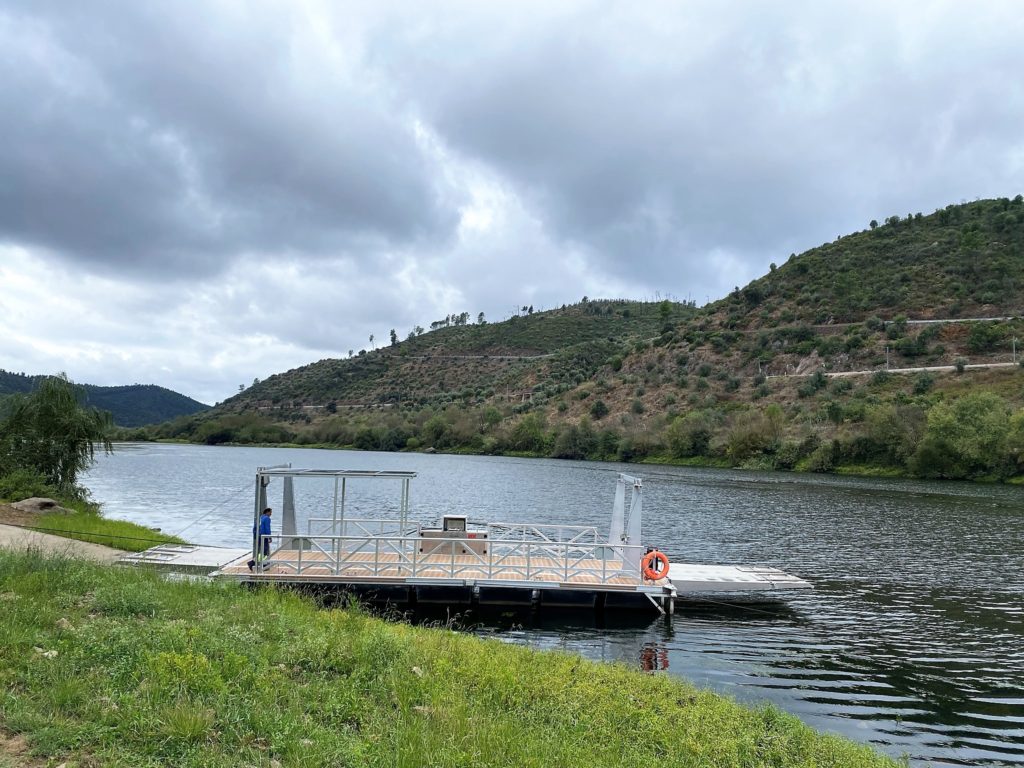
It's a magical and sacred land! From the very beginning, from the initial conquests, this whole area played a decisive role in the defence of our territories, and legend has it that the body of Queen Saint Isabel, transported from the place of her death, Estremoz, to her grave in Coimbra, passed through the river port of Amieira in the middle of the 14th century. That's why no accidents ever happened here. And the ferry? There were even two of them crossing the Tagus and linking the north and south banks, transporting people and goods, generating wealth and a wealth of life stories to tell!
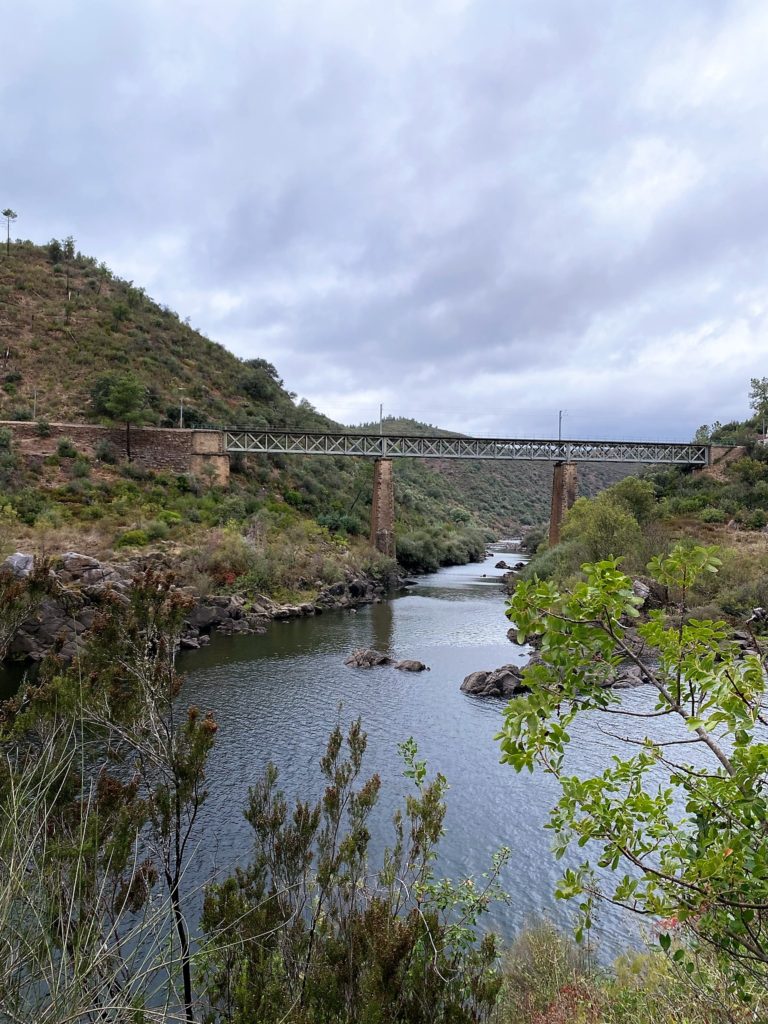
This stage of beauties, conjures, enchantments and daydreams, which in crescendo and for about 3.5 kilometres have been percolating through our memory and absorbing us throughout this dazzling walk, ends with the unexpected sight of a suspension bridge that wakes us up.
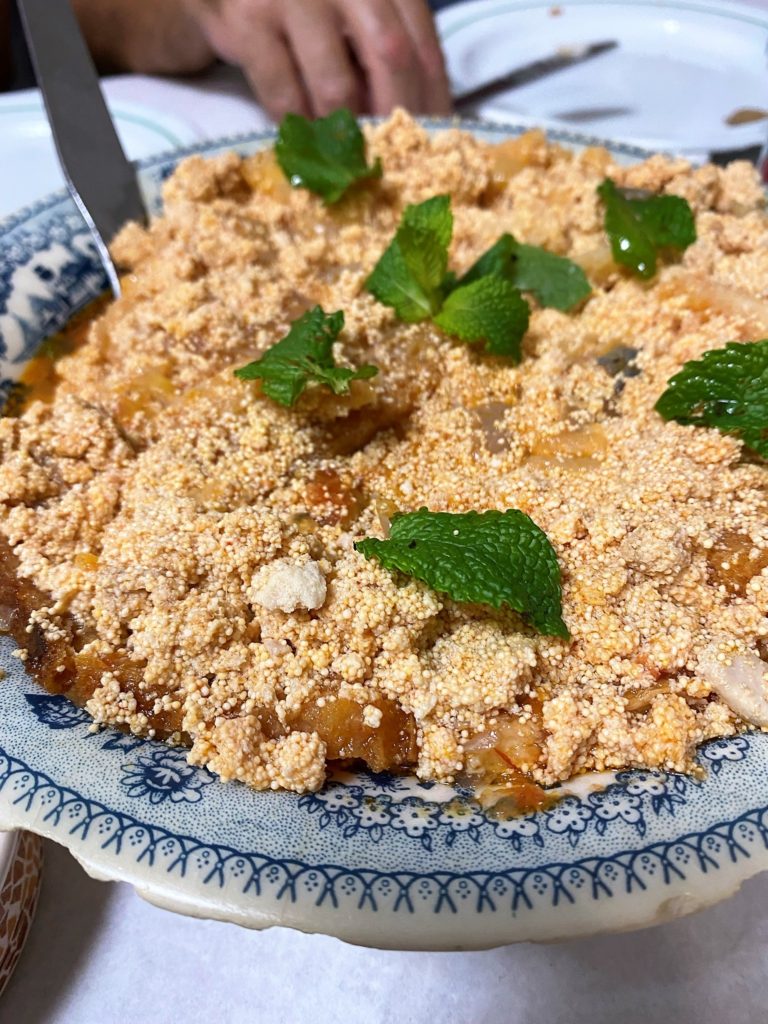
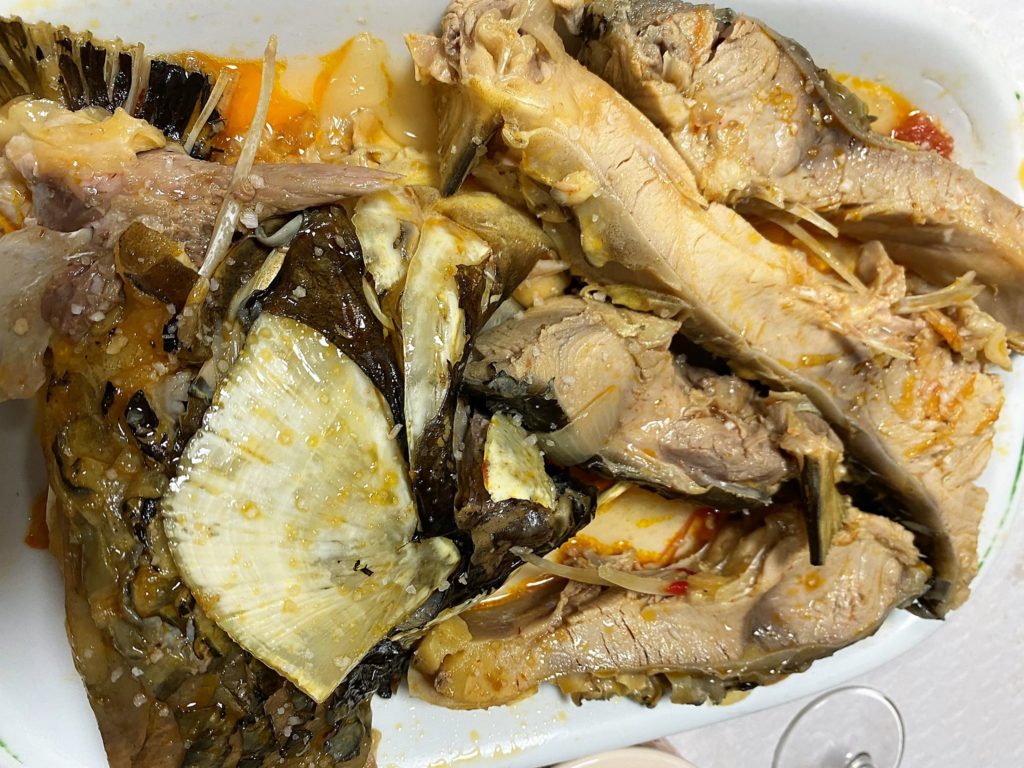
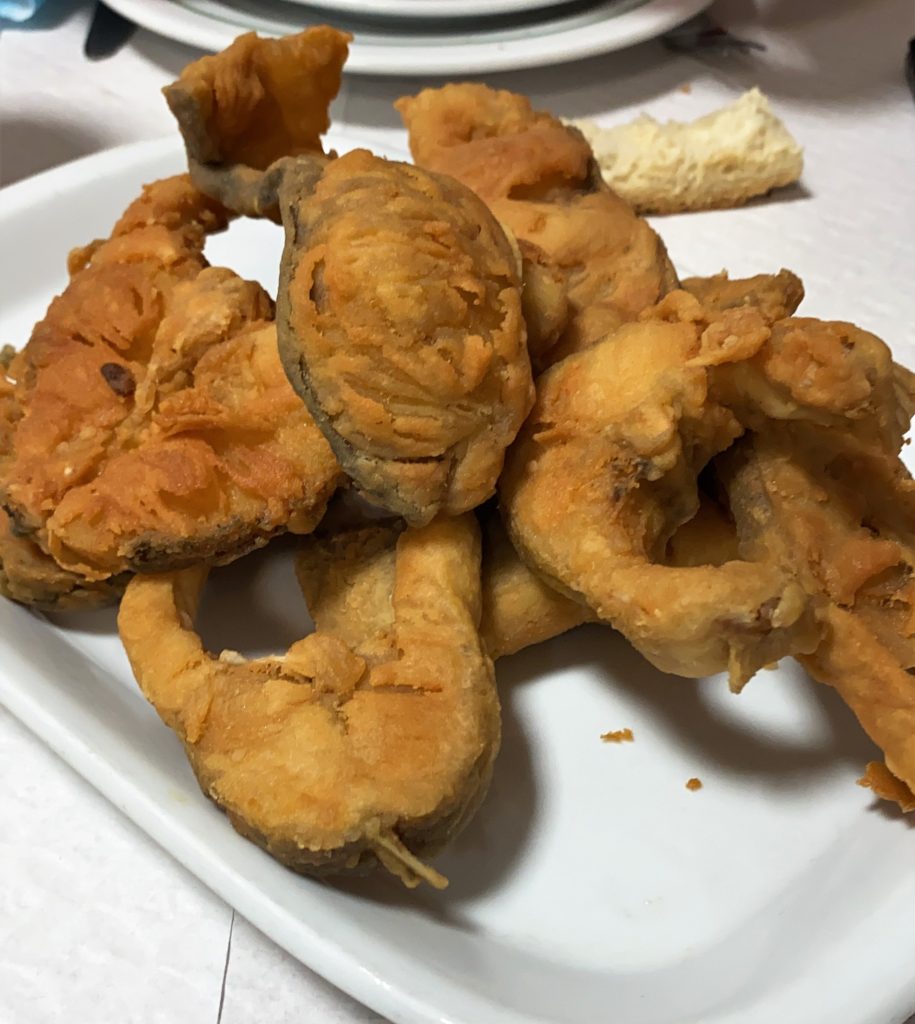
sublimates many of our thoughts. From now on, aesthetic contemplation will give way to another expression of pleasure: the sin of gluttony, which can be properly practised in the village of Arneiro, in front of a tasty fish soup with roe and fried fish. It's a feast of the Gods and, for this reason, it's also worthy of being washed down with a bacon nectar from our region.
Life is made up of nothing;
Of great mountains standing still
Waiting for movement;
Of undulating cornfields
By the wind;Of houses
Fallen and with signs
Of nests that once stood
On the eaves;
Dust;
To see this marvellous thing.
My Father raising a vine
Like a mum braiding her daughter's hair.
Miguel Torga
Virgílio da Luz Belo
Collaborator at the Franciscan Pantry, for the cultural area
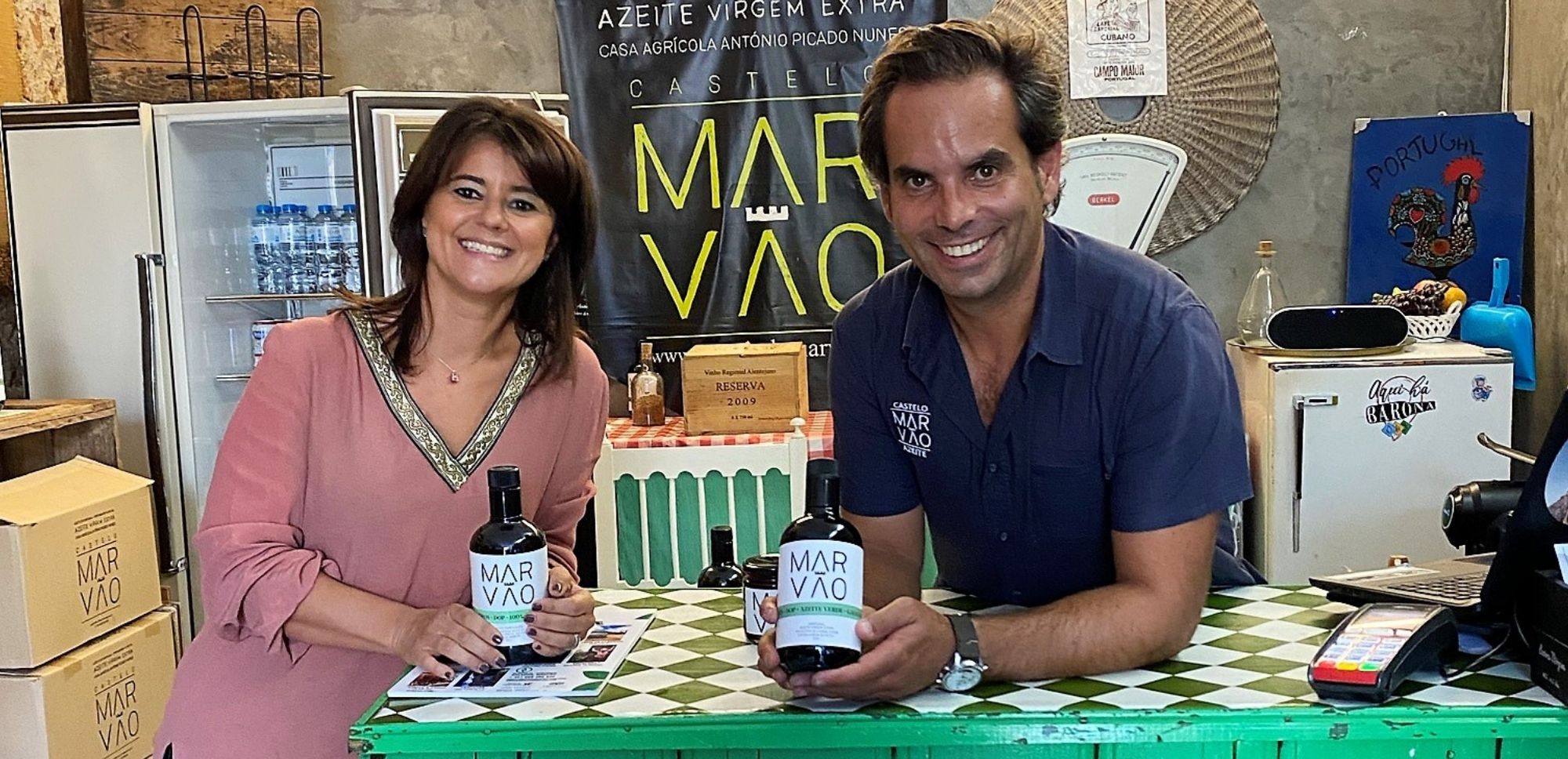
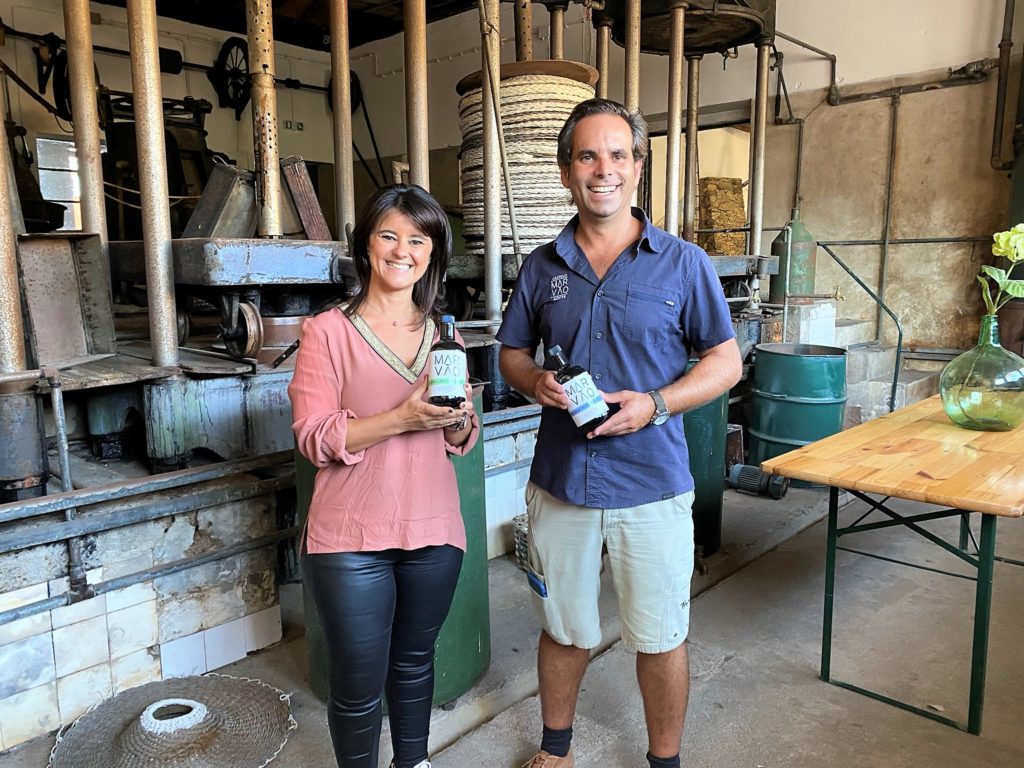
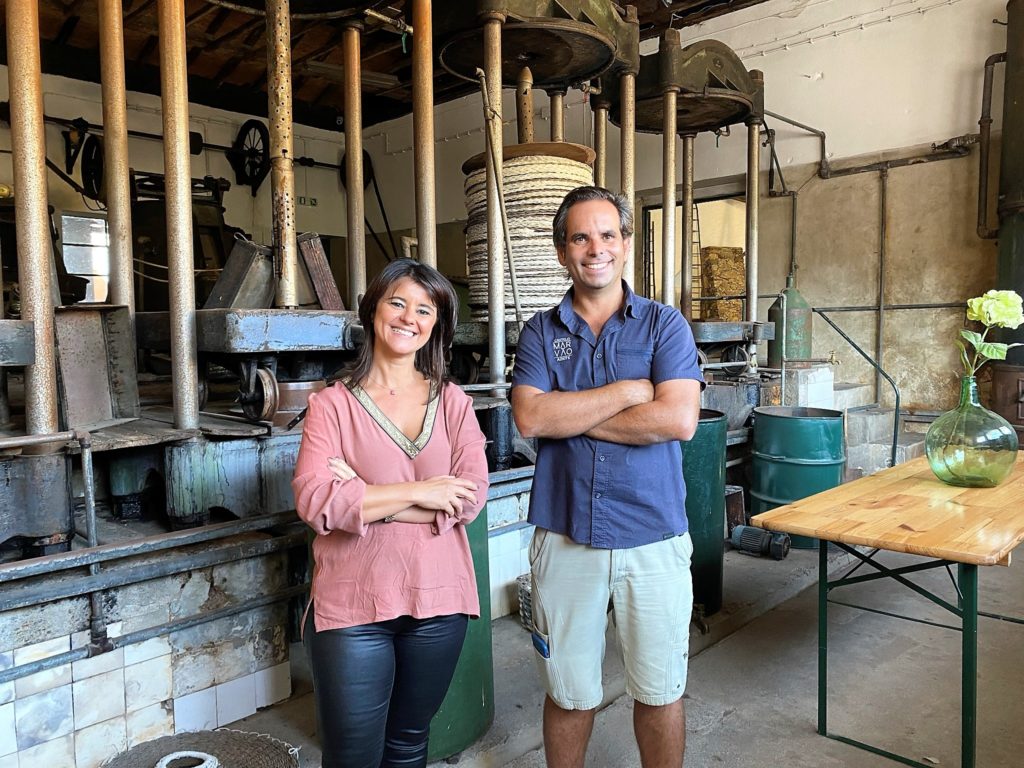
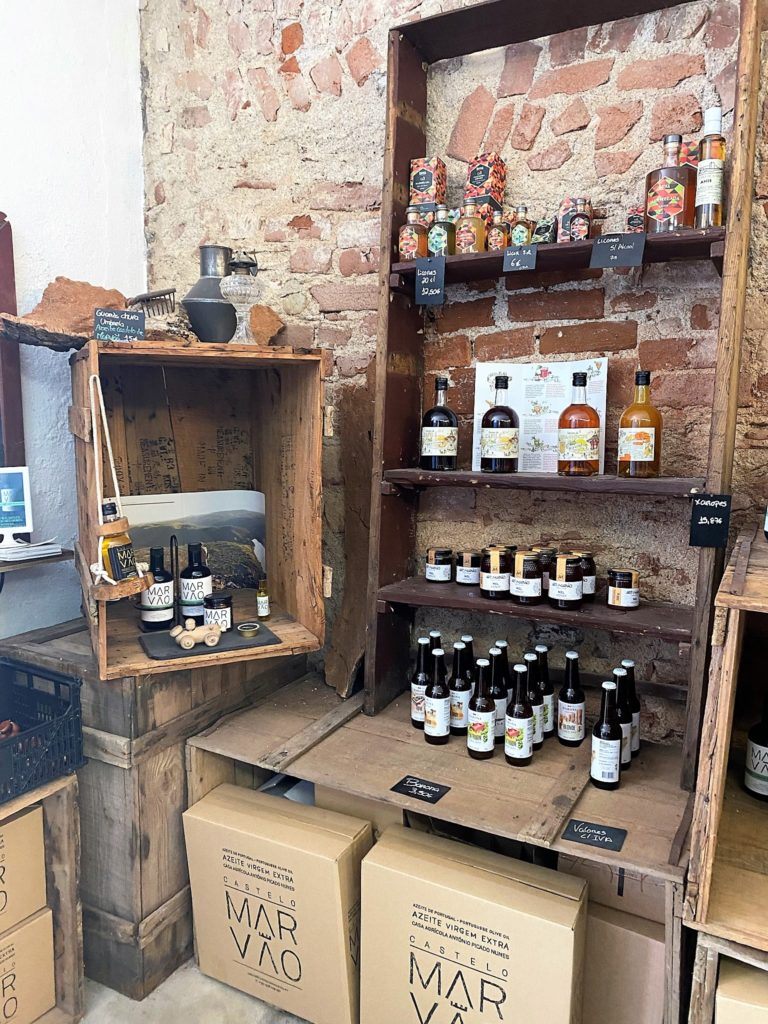
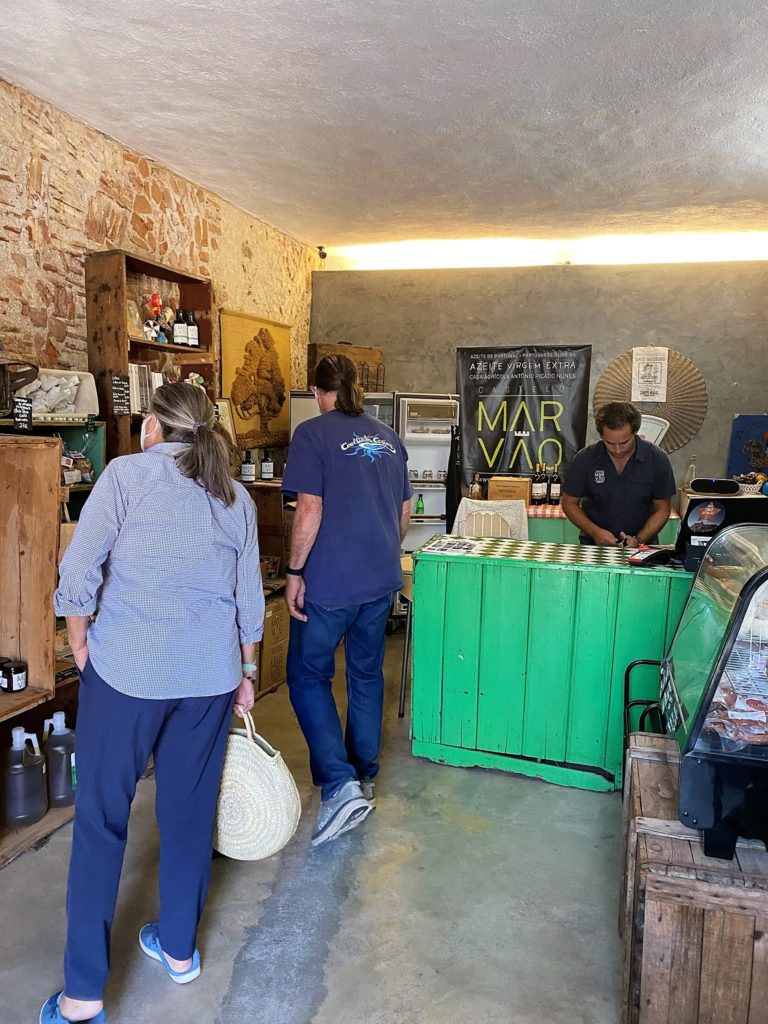
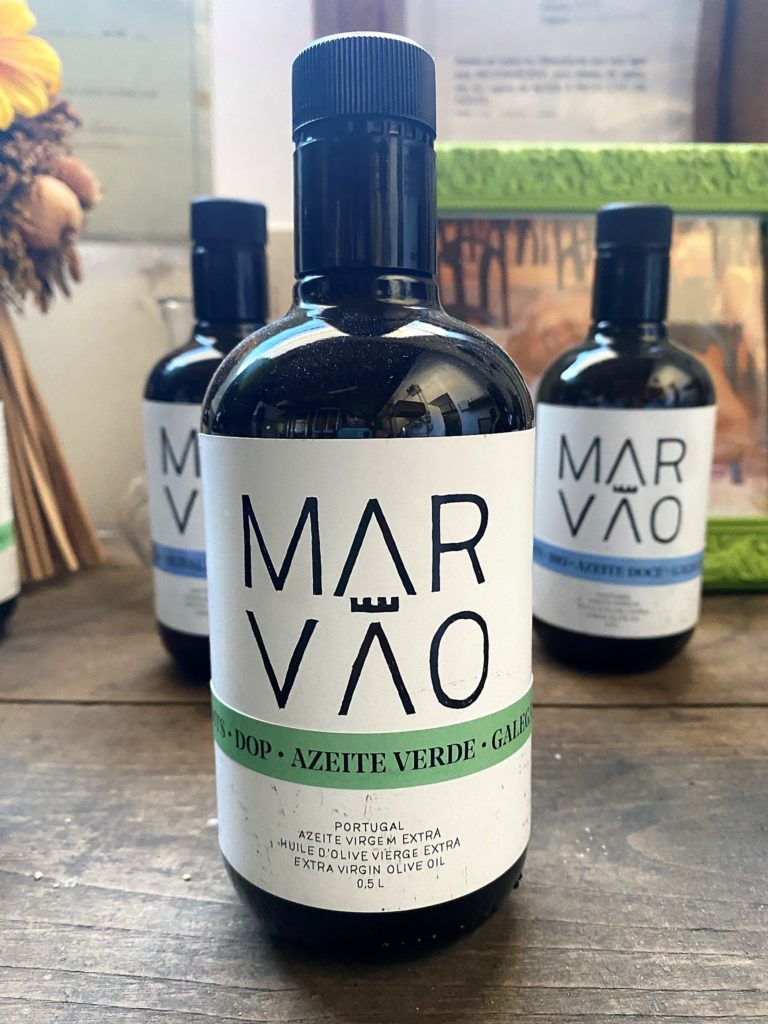
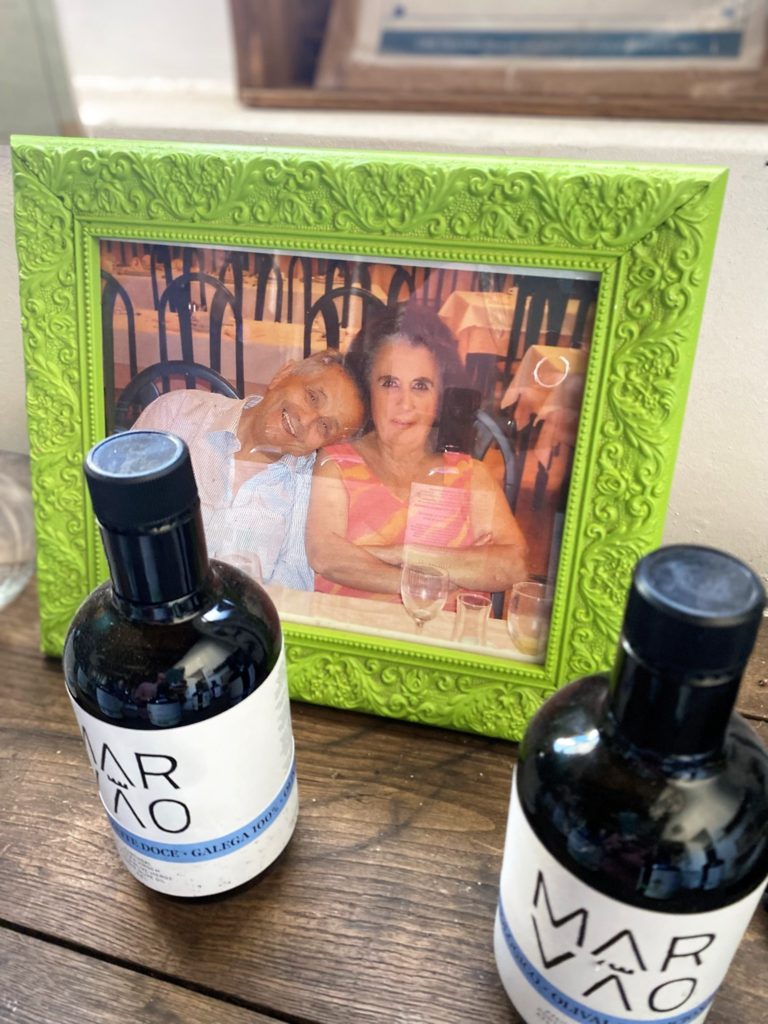
Entrevista ao Produtor - Azeite de Marvão
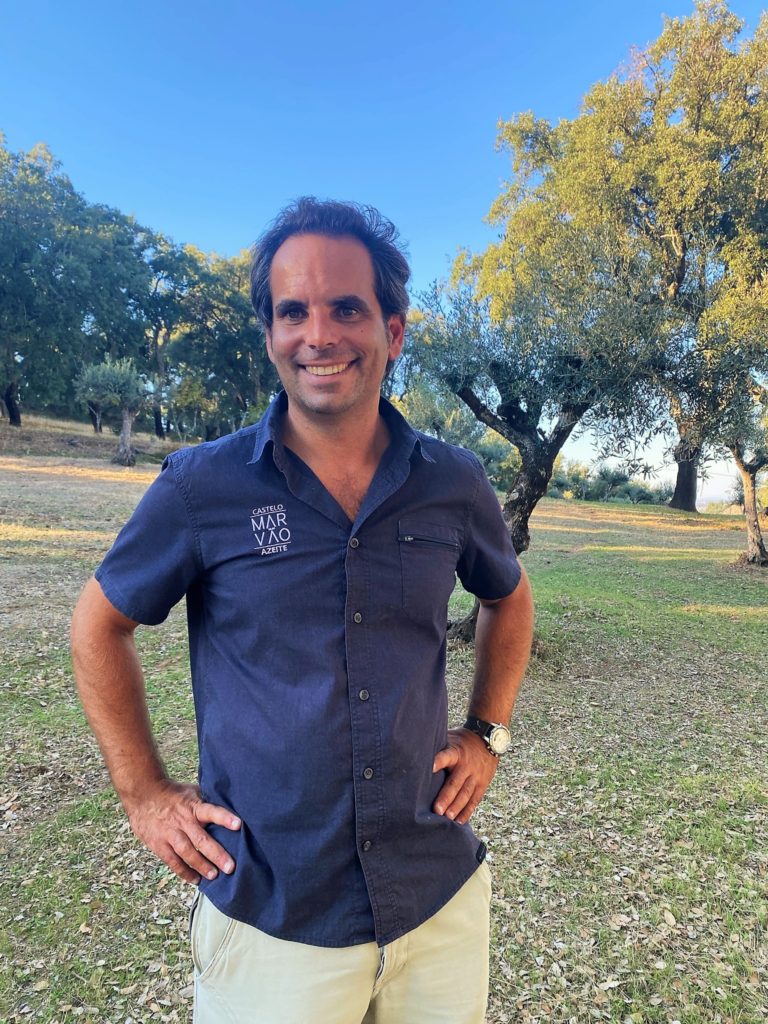
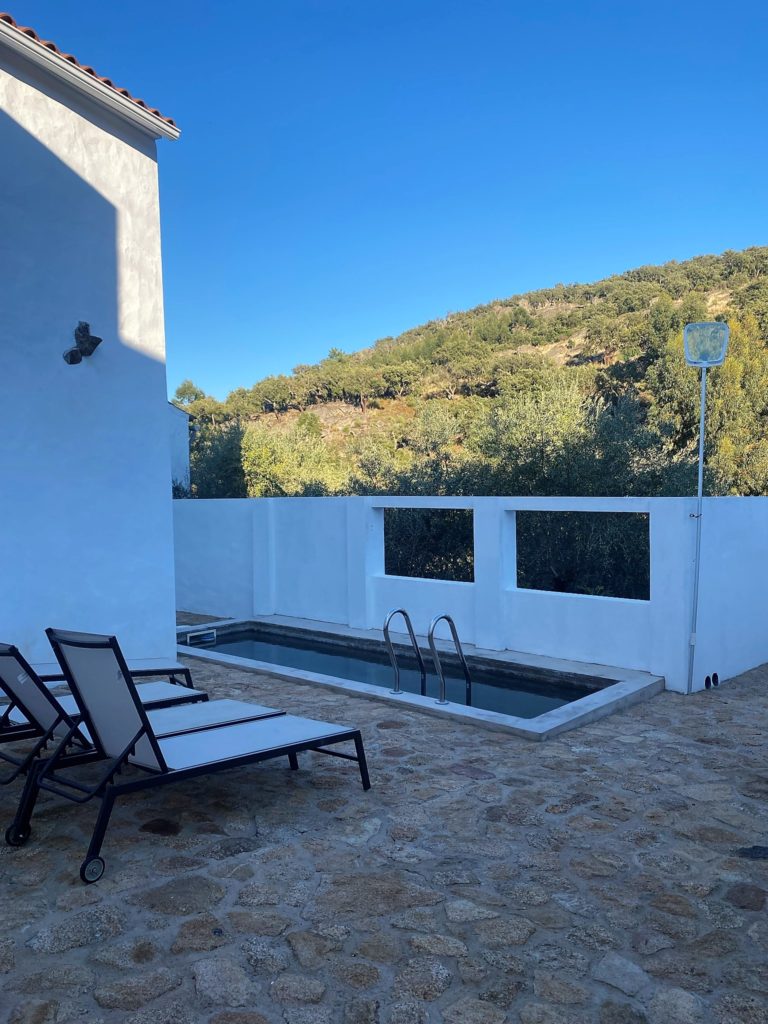
It was on a sunny October afternoon that we travelled to the quiet village of Galegos, in the municipality of Marvão, located in the heart of the Serra de S. Mamede, at an altitude of 600m, almost touching our neighbour Spain.
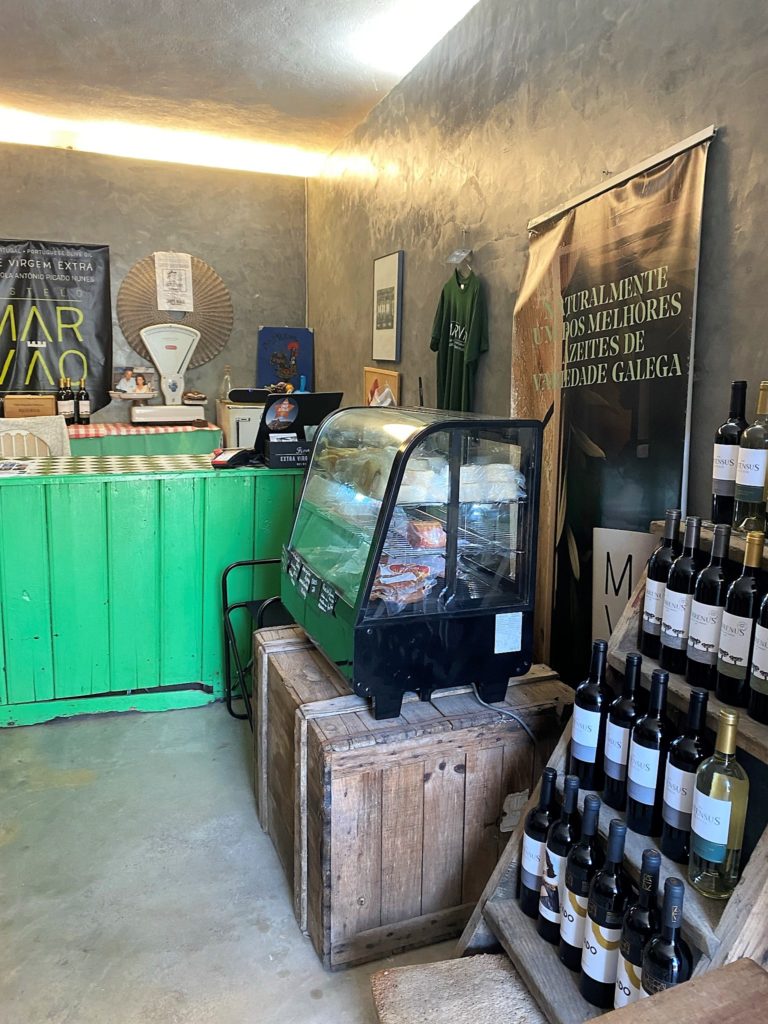
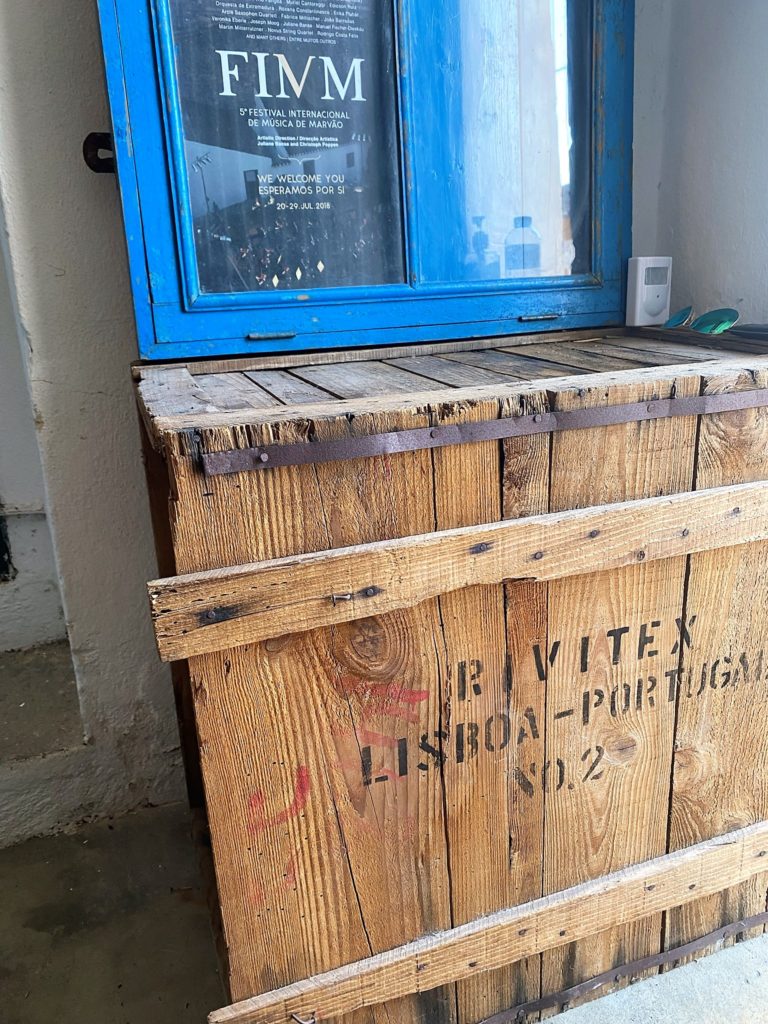
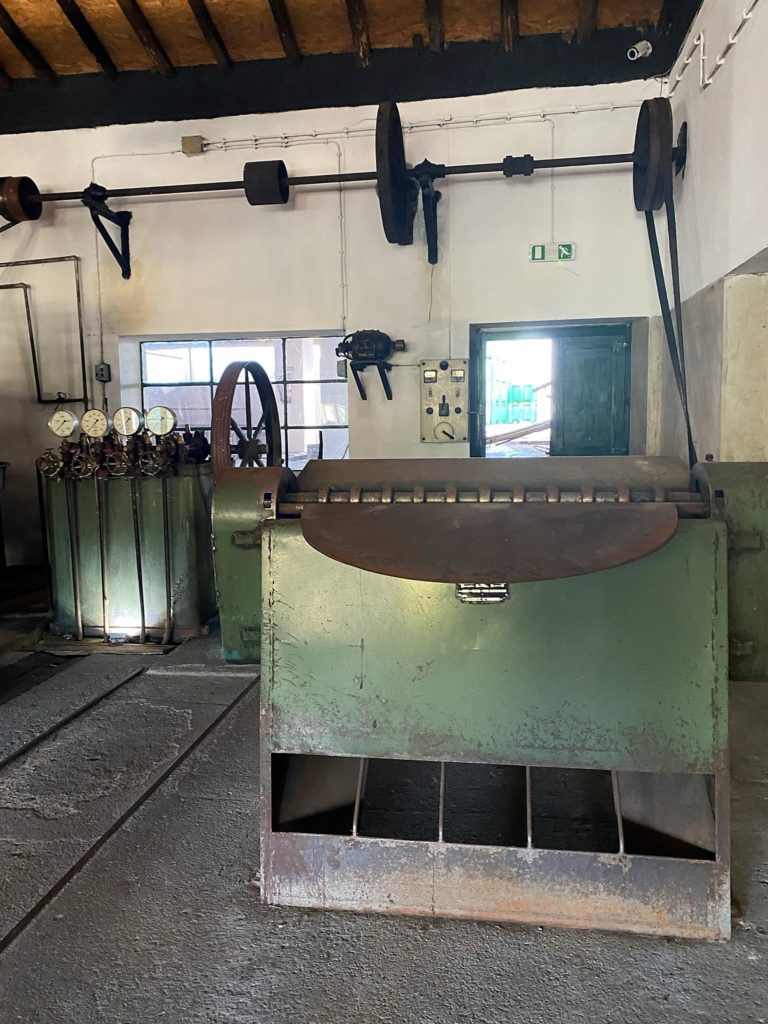
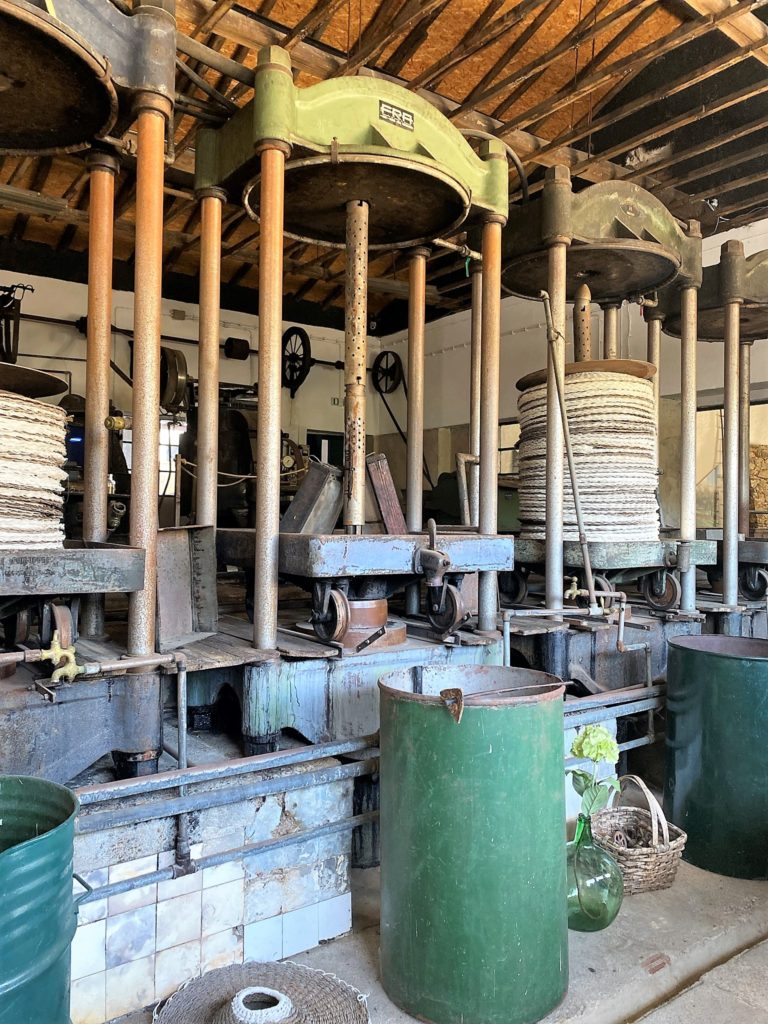
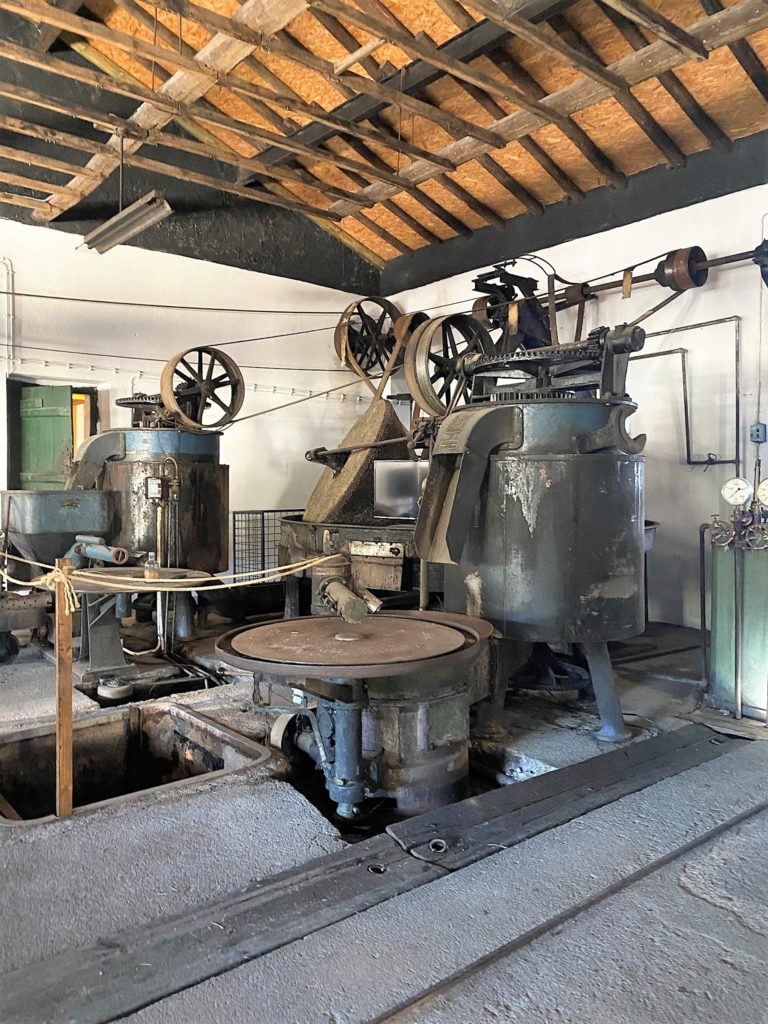
We were surprised by the calm and tranquillity of this idyllic place, where we found a truly passionate business, just like this place. A family business since 1954, where the knowledge of how to extract good flavour from olives has been passed down from generation to generation, stored in the walls of the mill and in the genes of the Nunes family.
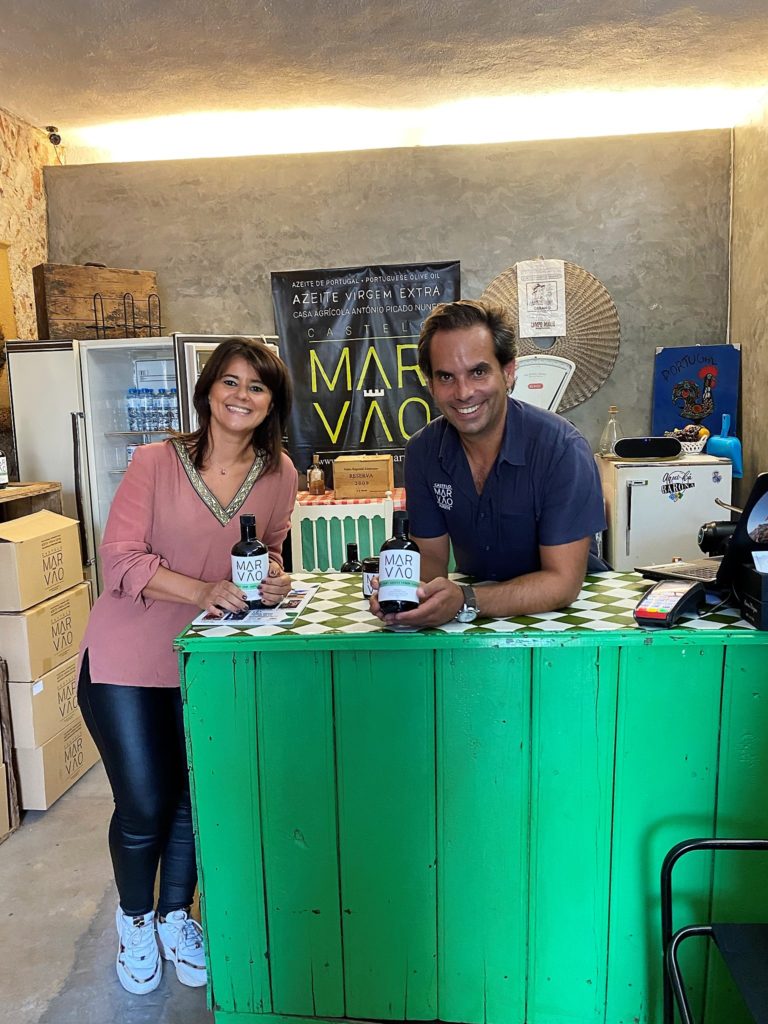
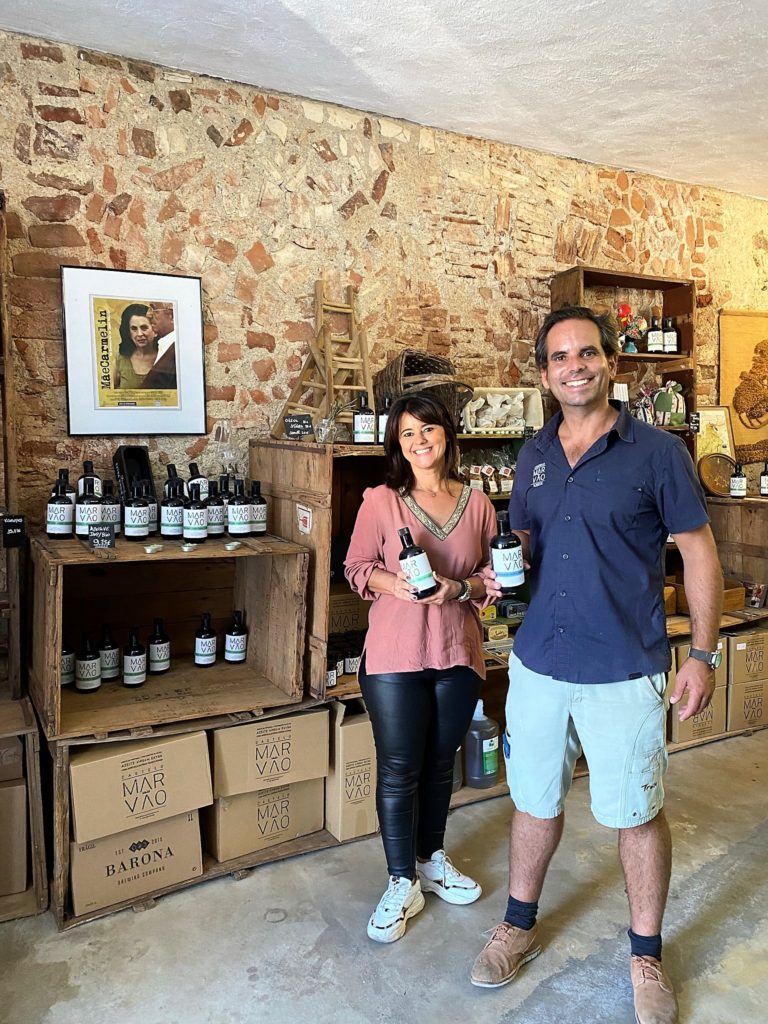
We couldn't resist delving into this beautiful story, told by Antonio Melara.
DF: António, tell us how this exciting story began.
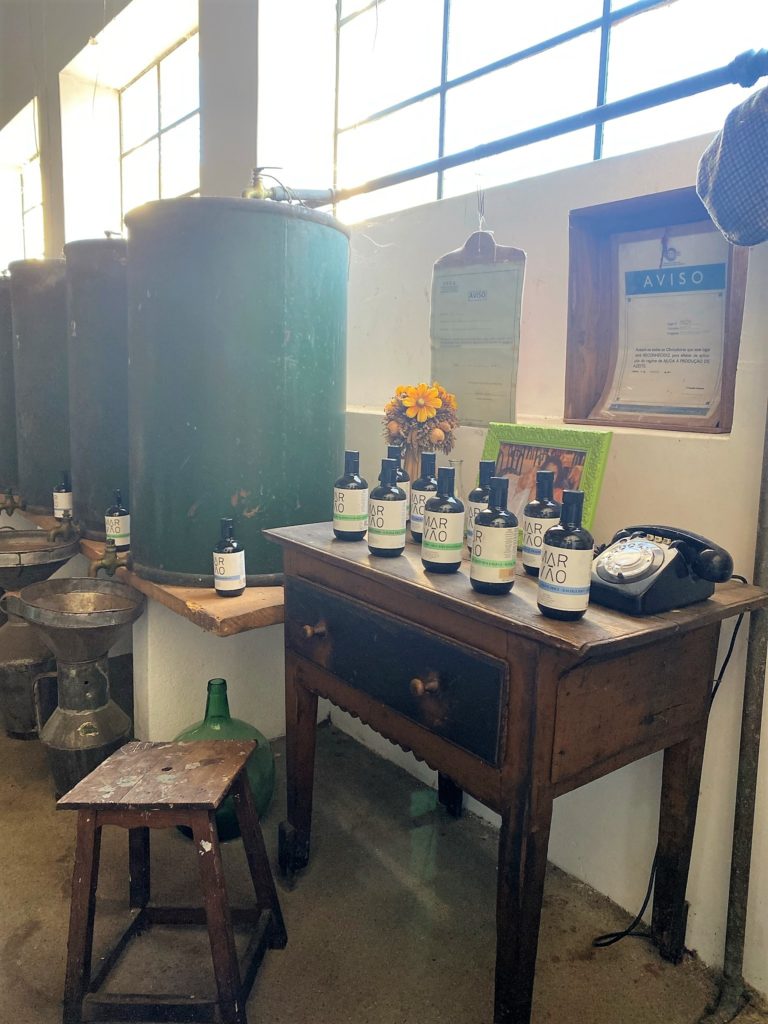
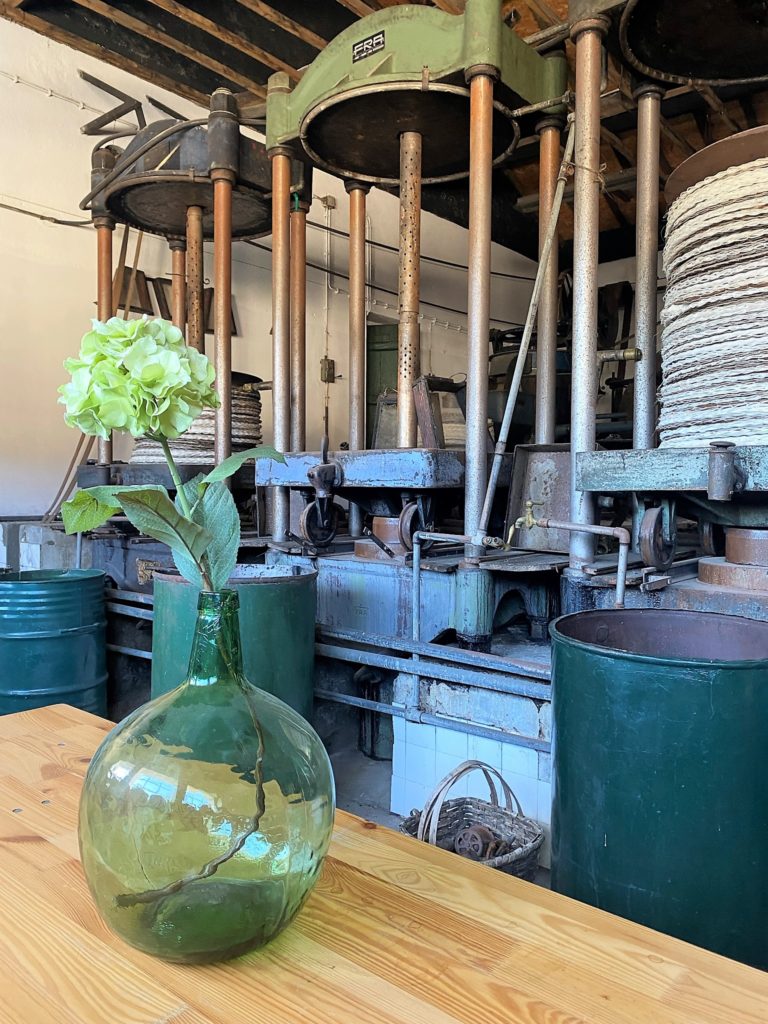
AM: From a very young age, I used to go to the village and watch my great-grandfather Francisco Nunes work, a truly entrepreneurial and visionary man with a restless and always dynamic spirit. He bought the space where the village's first industrial unit was installed: the olive press. This space was supplied with energy by the watermill, or moinho da Dorna, a unique construction that brings to mind old stories and exciting adventures... In the 1960s, he continued to modernise the lagar by the hand of his son António Picado Nunes, a multifaceted, rigorous and hard-working man. At that time, several presses, various machines and equipment were acquired and the surrounding area was extended and improved.
DF: And what other stories do they tell you about those times?
AM: In the last century, in the centre of the village, there was a busy shop or tavern, which was sometimes transformed into a ballroom for dances and parties. At the time of the olive harvest, the ranches of people that filled the fields also gave the village a new lease of life.
In the mill, the boiler was always on, which provided a real conviviality and warmed the soul in those harsh winters. But the pinnacle of pleasure was when the golden thread began to come to life, and then it was a real treat for the senses. It was the birth of new oil.
DF: Times have changed and you've had to adapt to new realities. How did António's journey start until he got here?
AM: I was born in Lisbon, the son of an architect father and a history teacher mother, and I started an architecture course that I didn't finish. Whenever I came to the village of Galegos and looked at my grandfather's business, I realised that the architecture course didn't suit me and it was then that I decided to take a course in Marketing Management, so that I could later use my knowledge to boost my family's business.
Years later, the family decided on the future of the company, deciding that the company and its activities should be handed over to young António, me. I was irrevocably marked by the land of Galegos. In the many seasons I spent in the village, at my grandparents' house, I learned to love the countryside, the land, the smells and the flavours.
My grandmother Carmelin, who was born in Madrid to a wealthy bourgeois family and who decided to stay in Galegos forever and "for love", was a determining factor in my future attitude, as she taught me the importance of dedication, generosity and determination, values that I still preserve today, both personally and in my commitment to this business.
DF: And what year was the real turning point for the brand you have today?
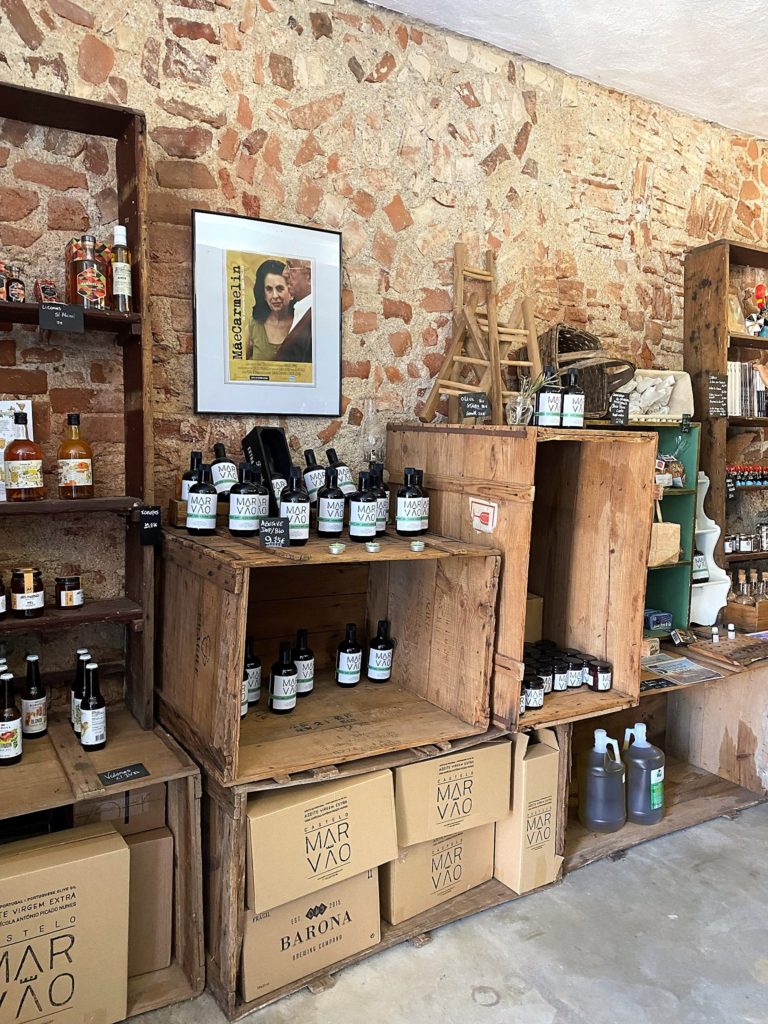
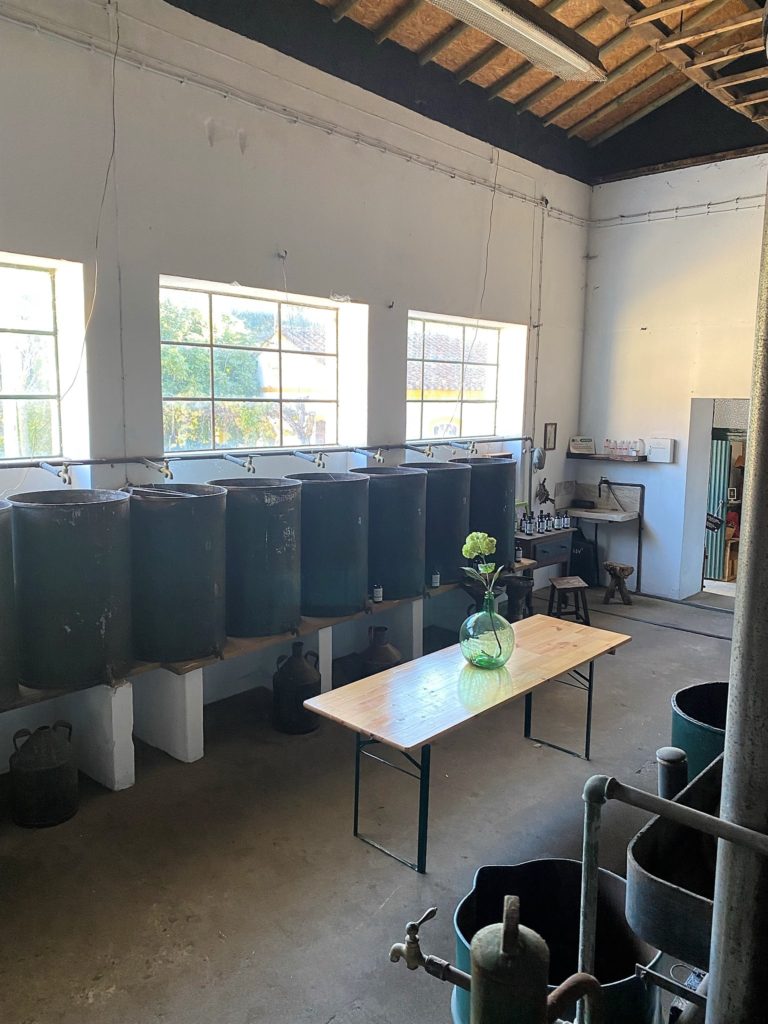
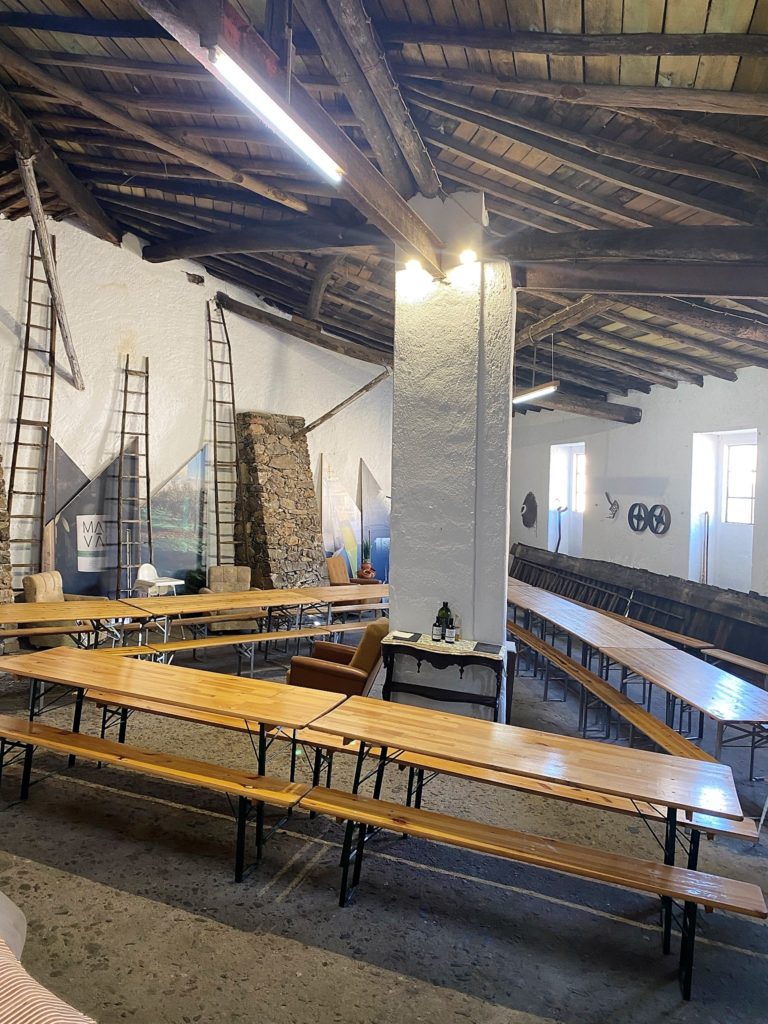
AM: In 2010 the new concept of a mill was born in a renovated space where, without forgetting the past, we continue to produce this nectar, extracted cold, and there the Castelo de Marvão Olive Oil brand was created.
DF: What variety of olives do you pick to produce your oil?
AM: Only Galician olives. No other. With this variety we have obtained a unique PDO (protected designation of origin) certification.
DF: If you had to define your oil, what would you say?
AM: It is a fine olive oil with a high acidity, a golden colour, a ripe fruity aroma, smooth and extremely tasty.
DF: When is the best time to pick Galician olives?
AM: Family tradition dictates that the olive grove be harvested after All Saints' Day, the branches combed by hand and the best olive oil in the world extracted cold.
DF: What varieties of olive oil can we find here?
AM: We currently produce three references:
- Azeite Virgem Extra Marvão
- Azeite Virgem Extra Galega DOP
- Azeite Virgem Galega modo biológico
DF: If you want to visit the village of Galegos, what can you expect from this new project?
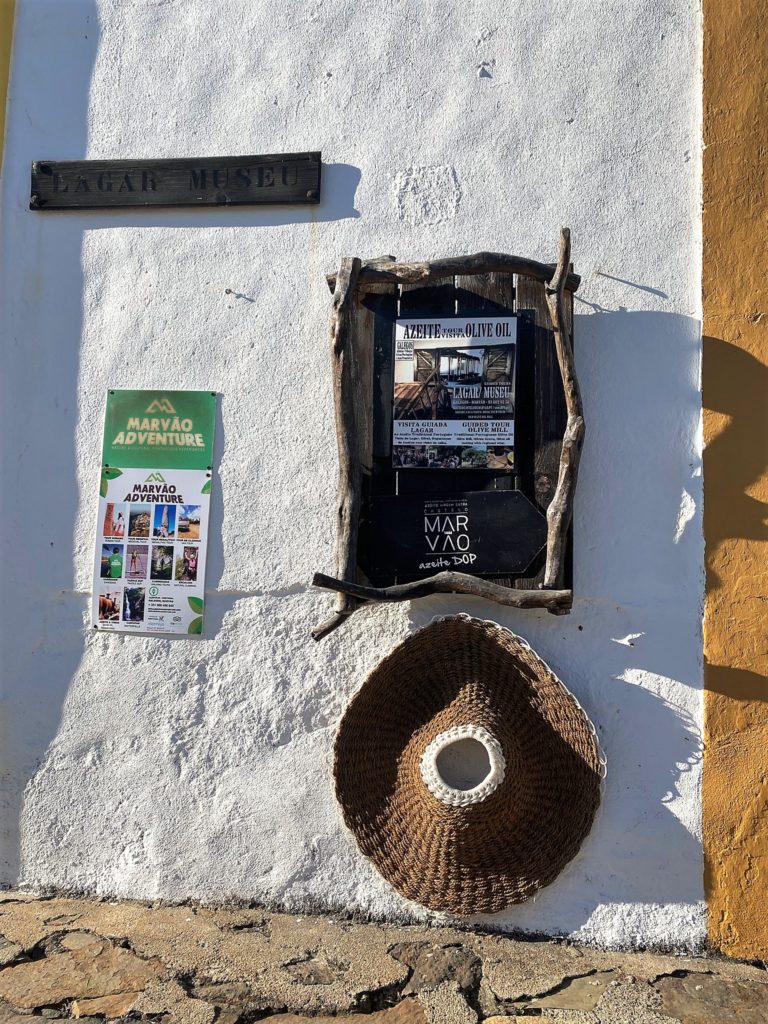
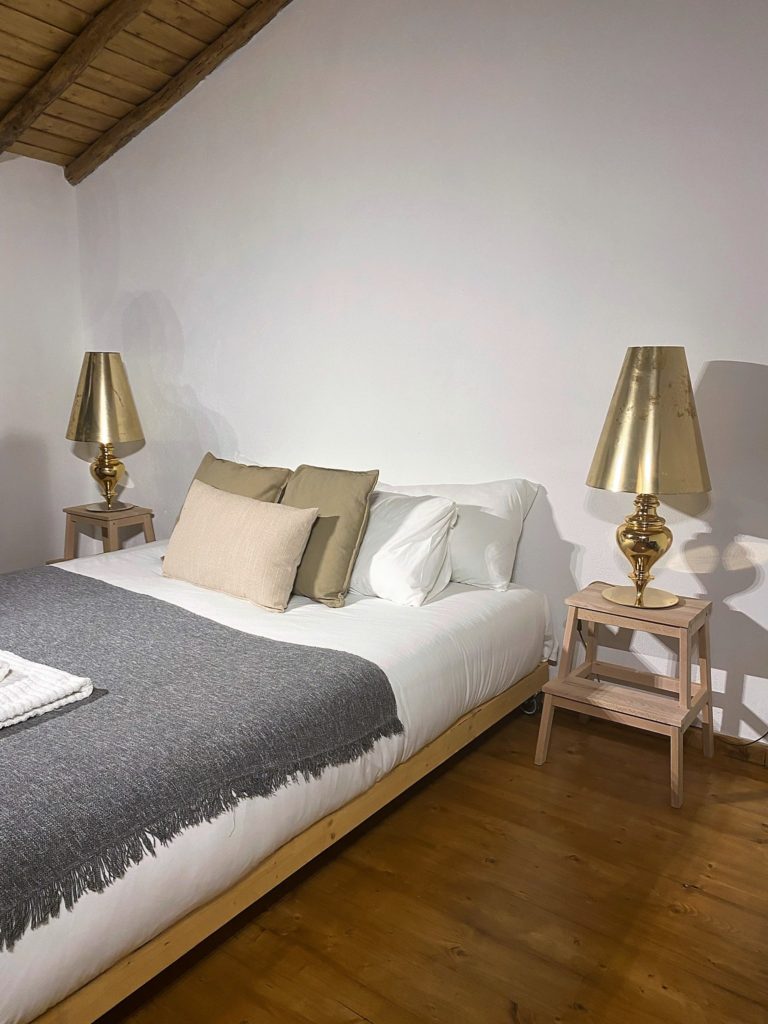
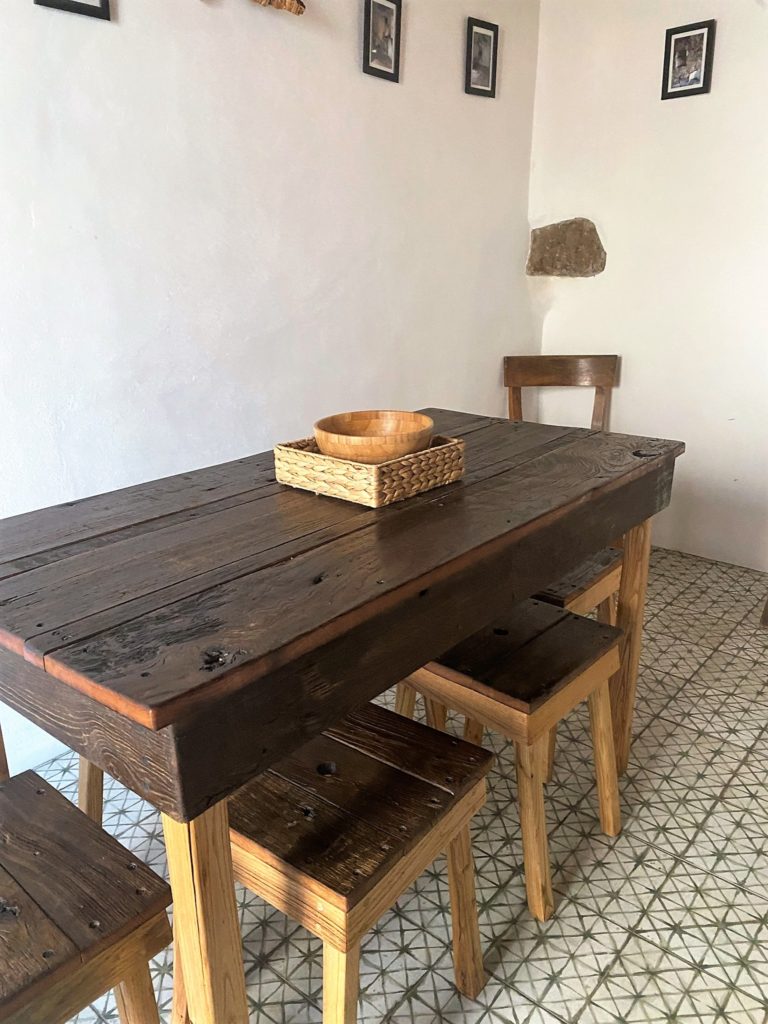
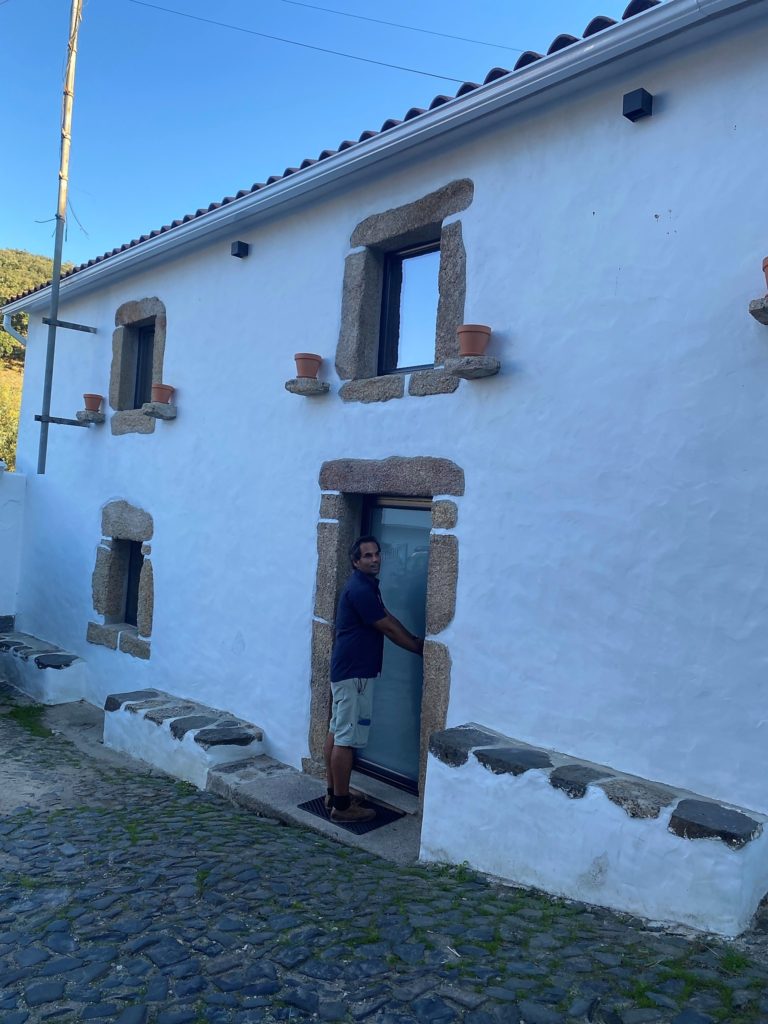
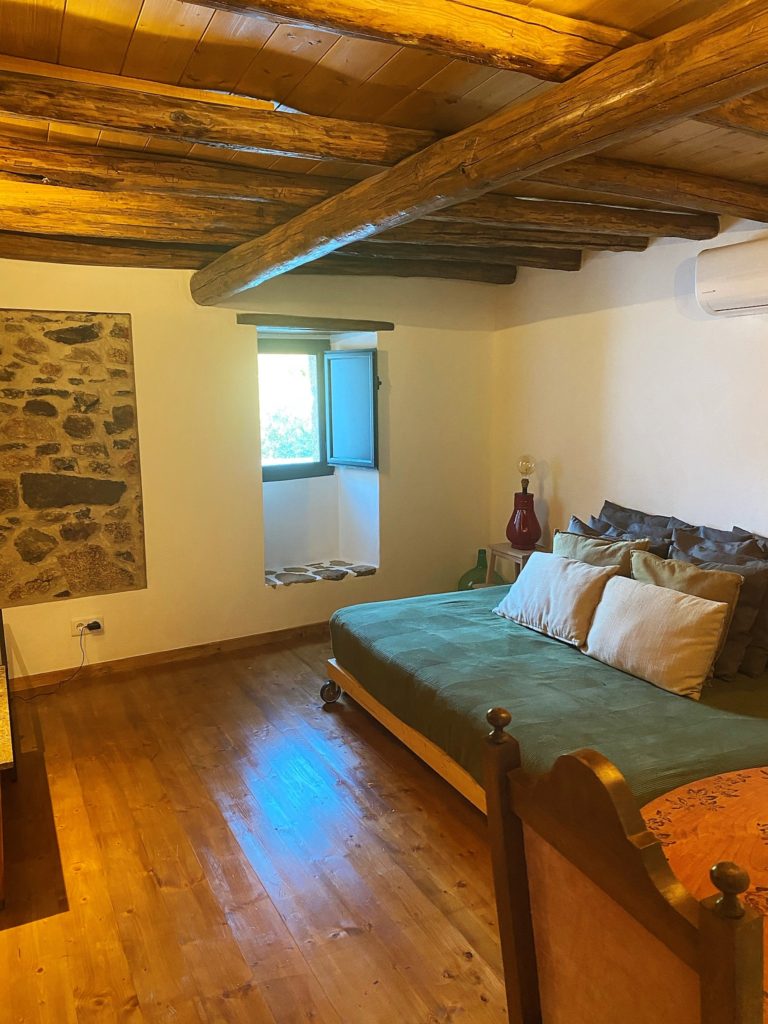
AM: We are currently continuing our olive oil activity, organising guided tours of the olive grove, mill and museum. We have the possibility of joining groups for lunch or dinner, or even for a simple olive oil tasting. For those who find it difficult to leave this magical place, we also have local accommodation, where only the tranquillity of the Serra de S. Mamede can be felt.
DF: And what does the future hold?
AM: Many projects are planned, always preserving the village of Galegos and the enormous legacy left to me. All in good time!
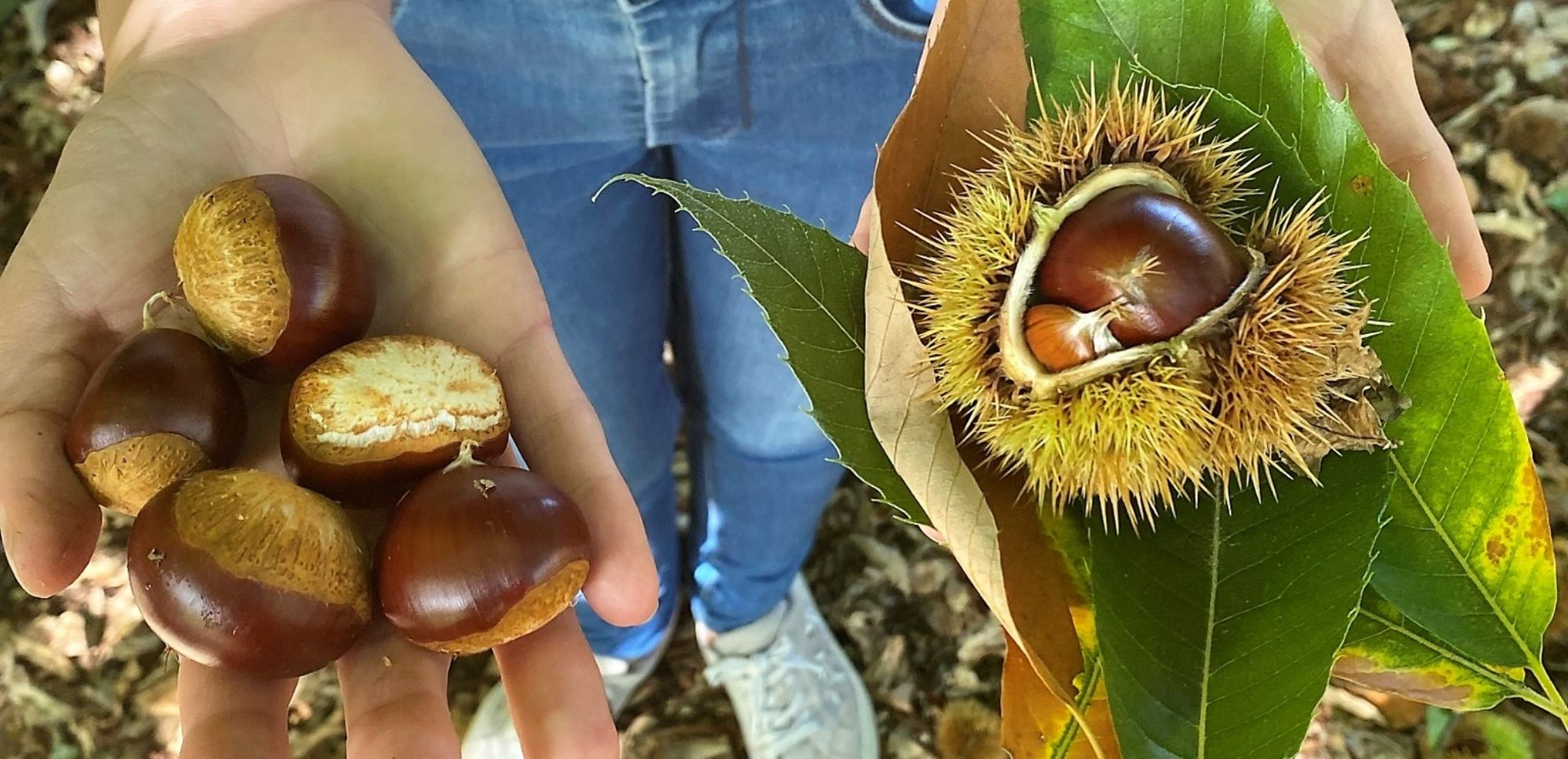
Chestnuts from São Mamede
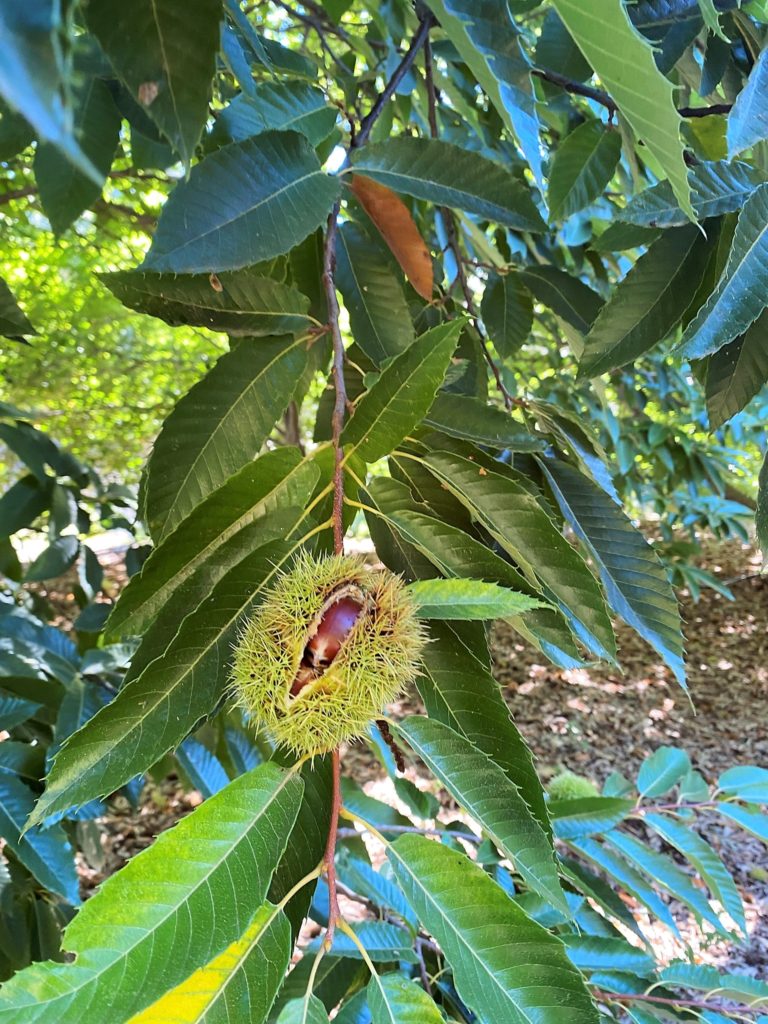
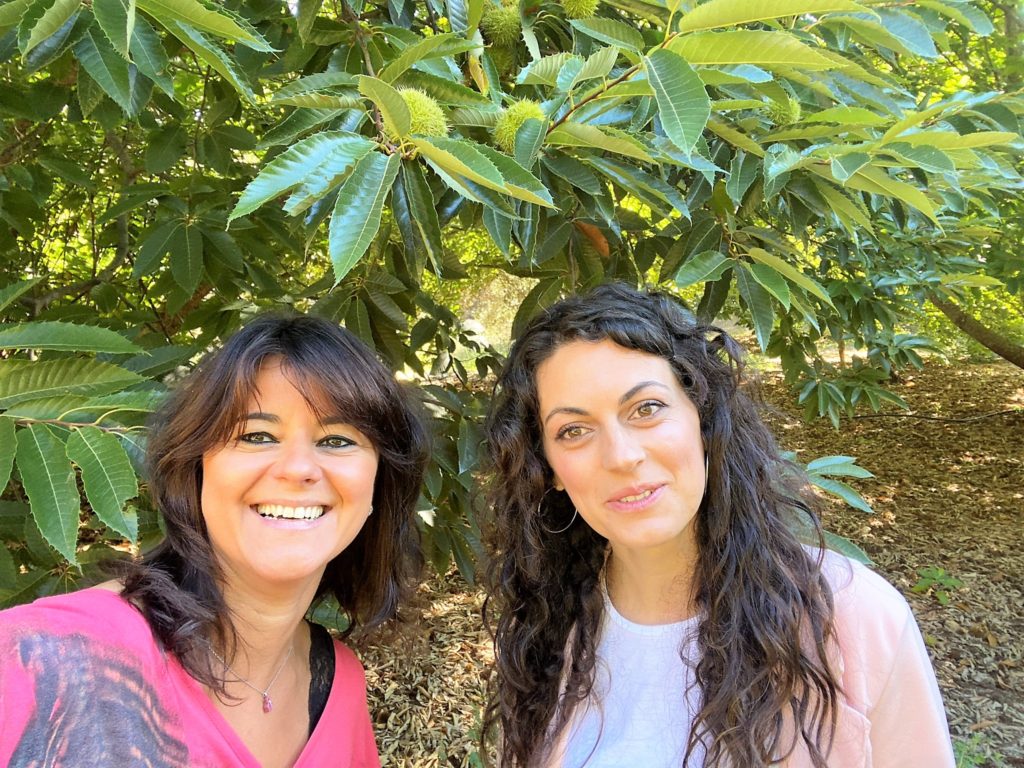
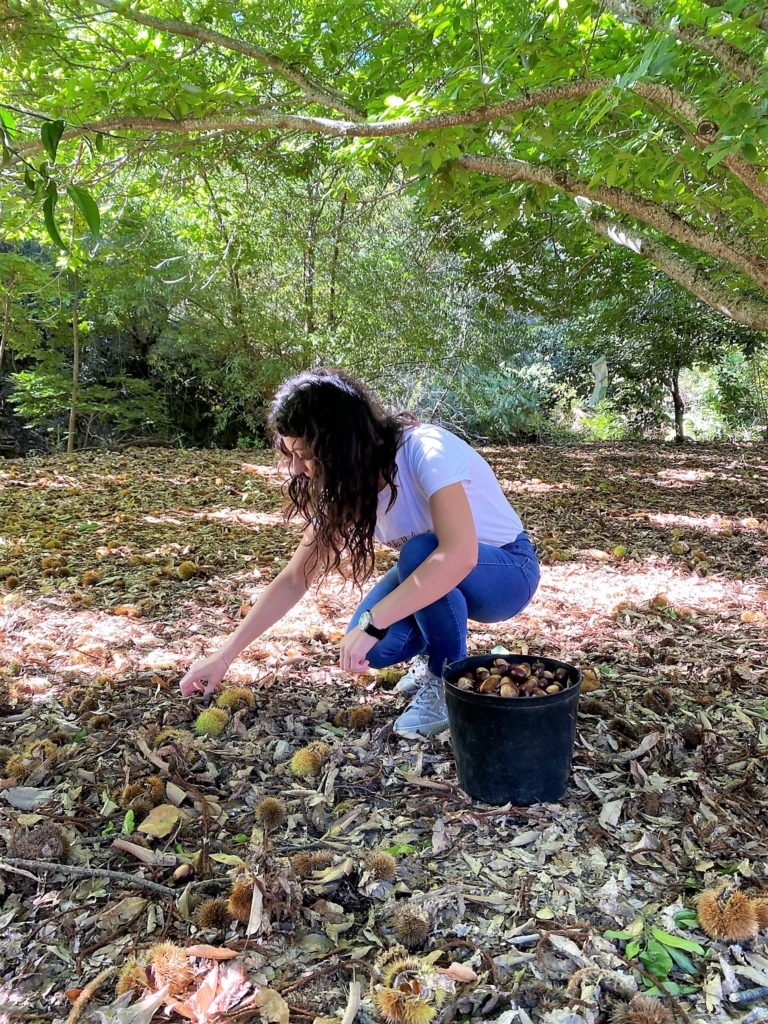
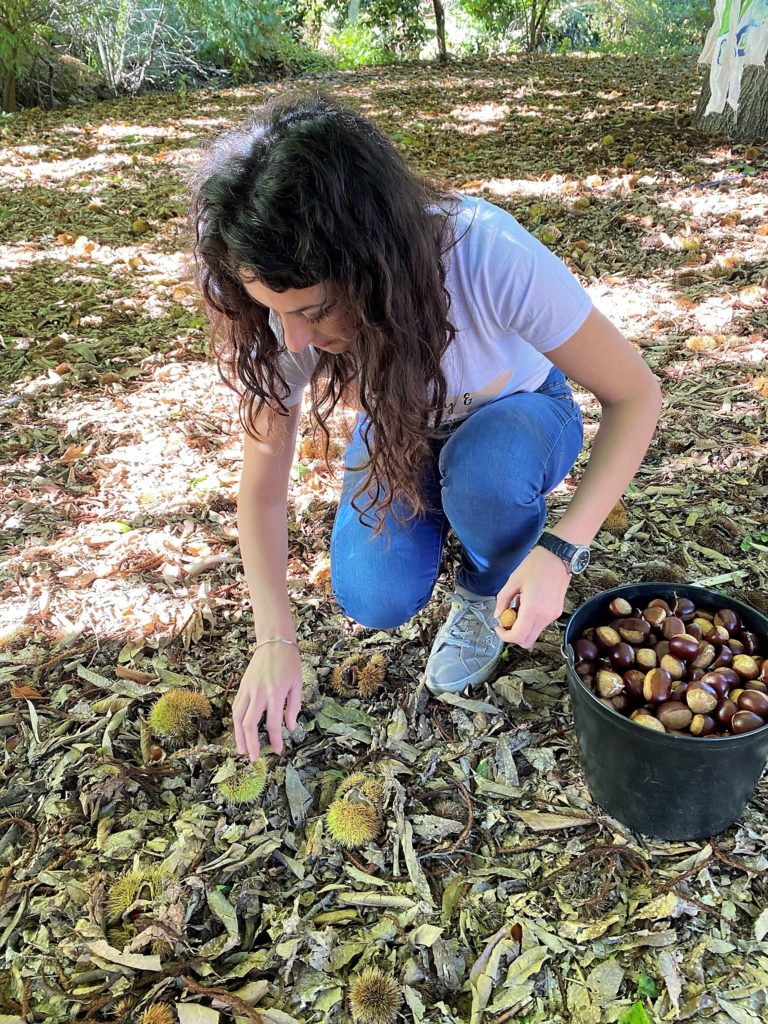
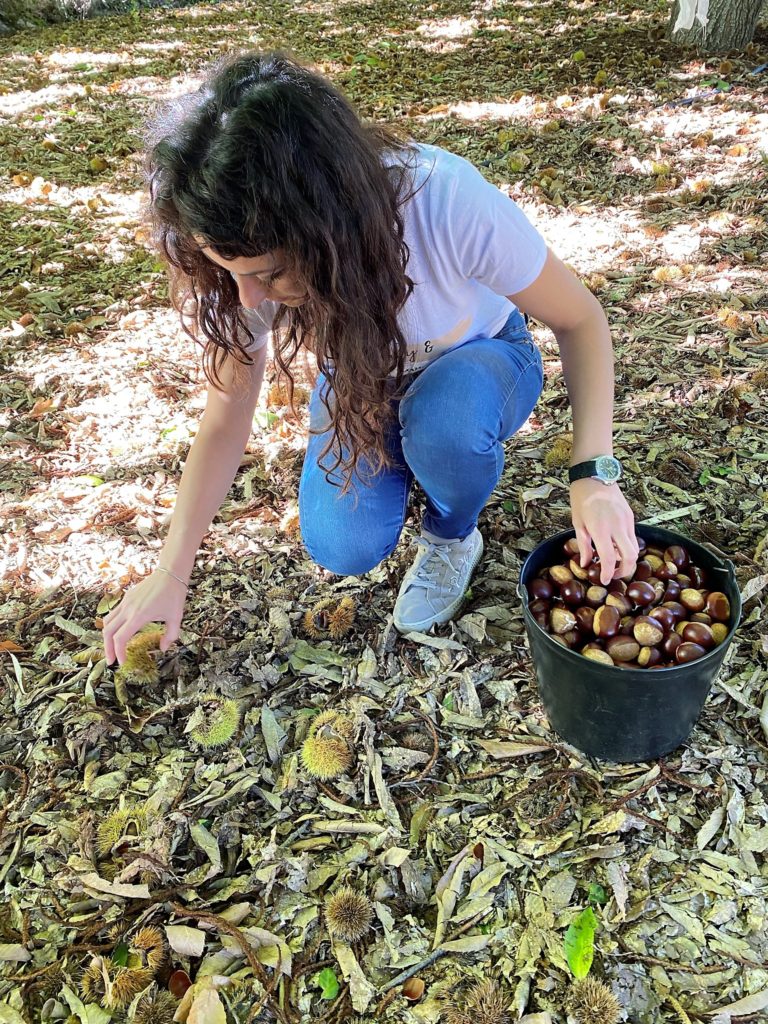
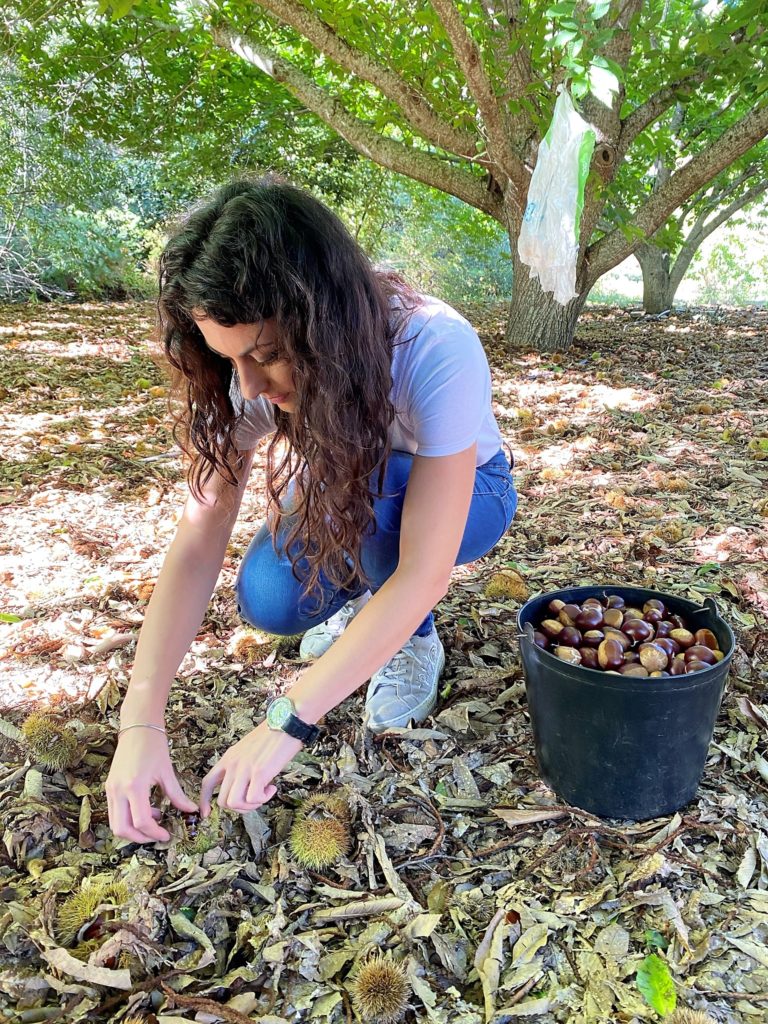
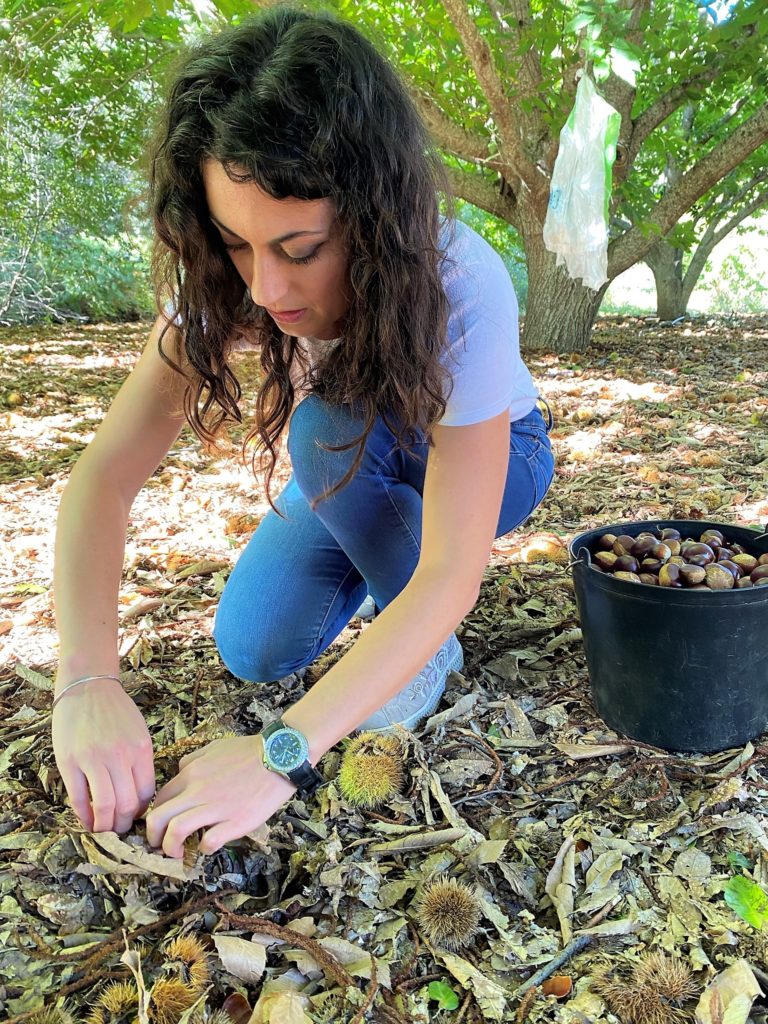
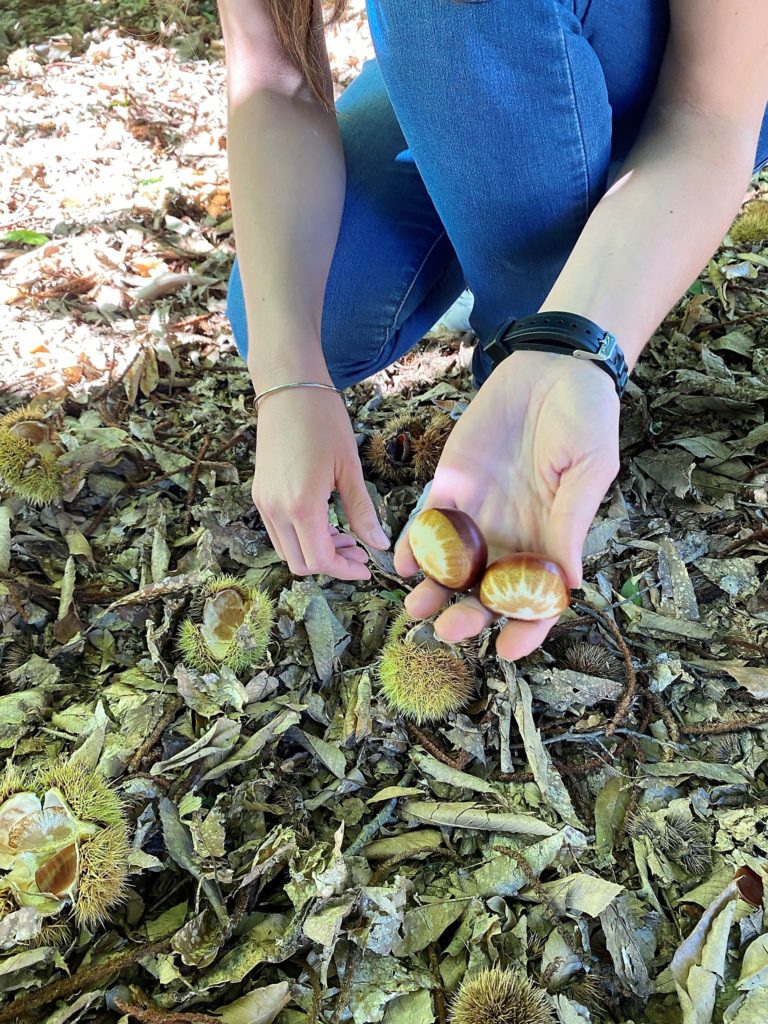
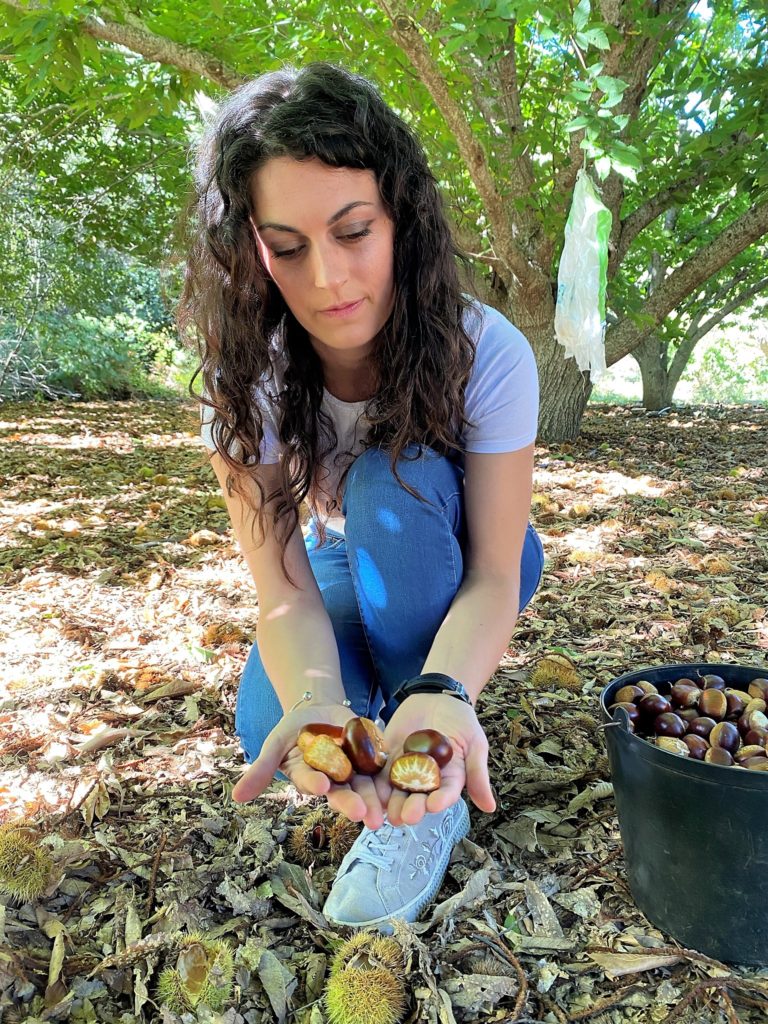
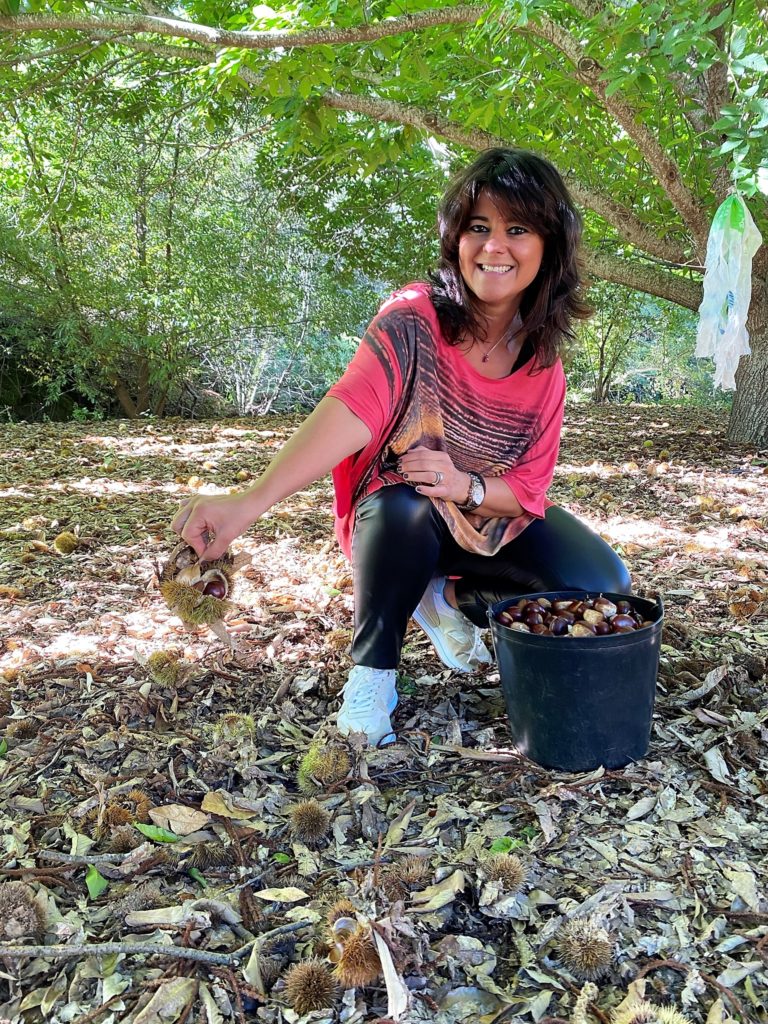
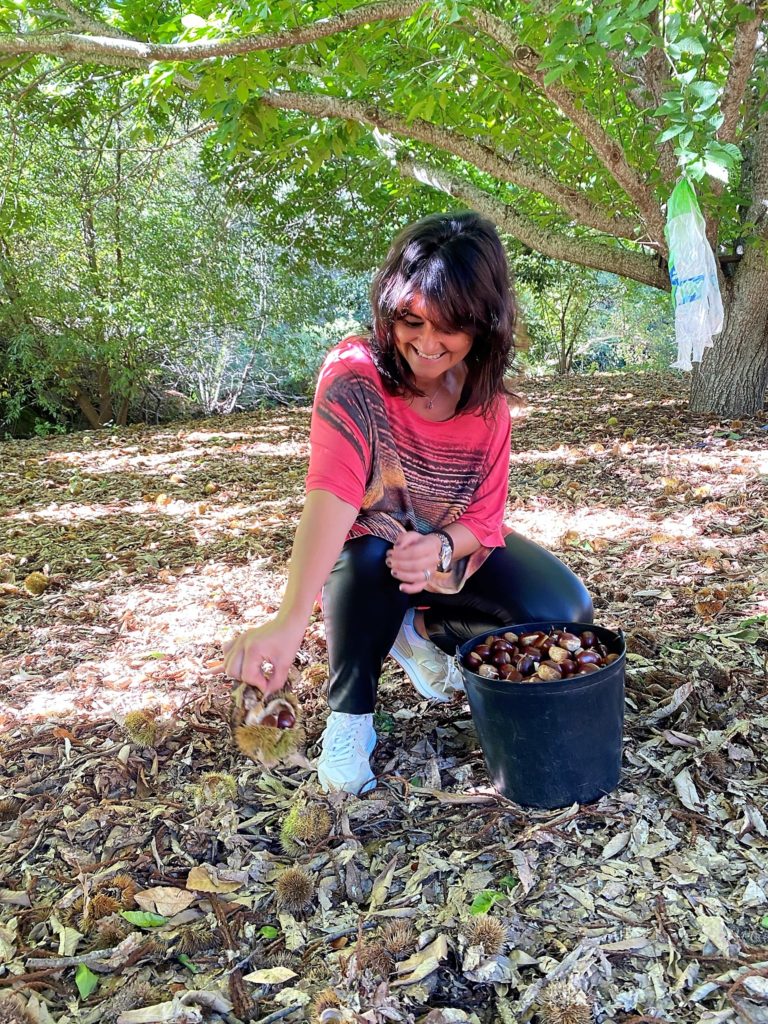
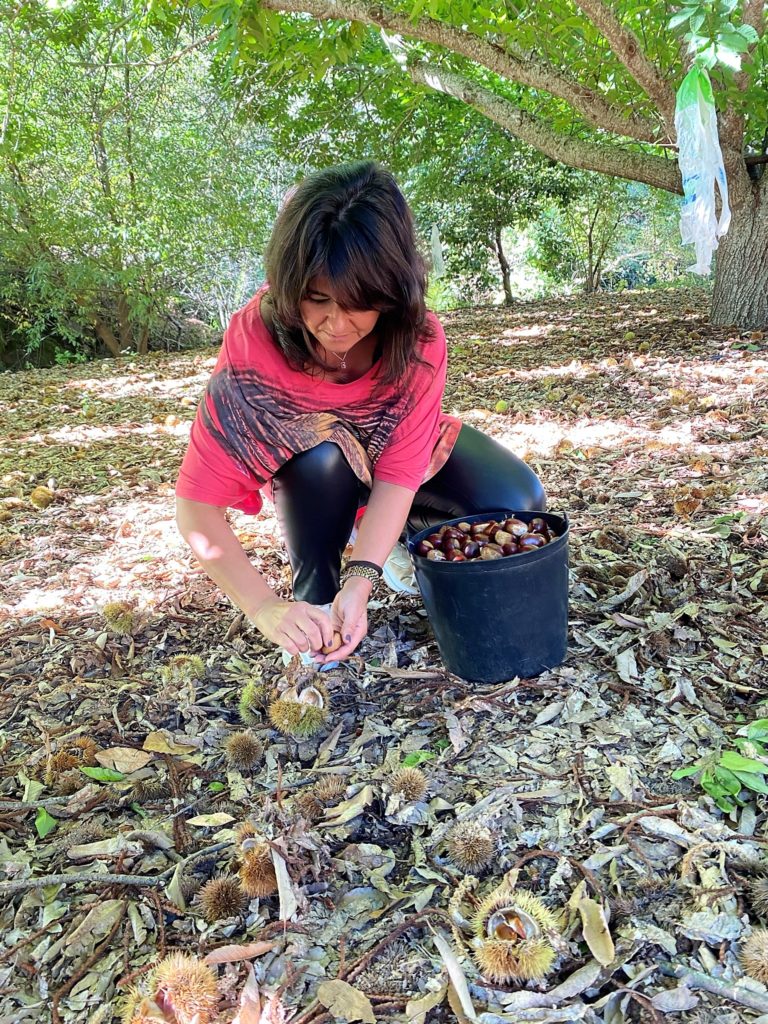
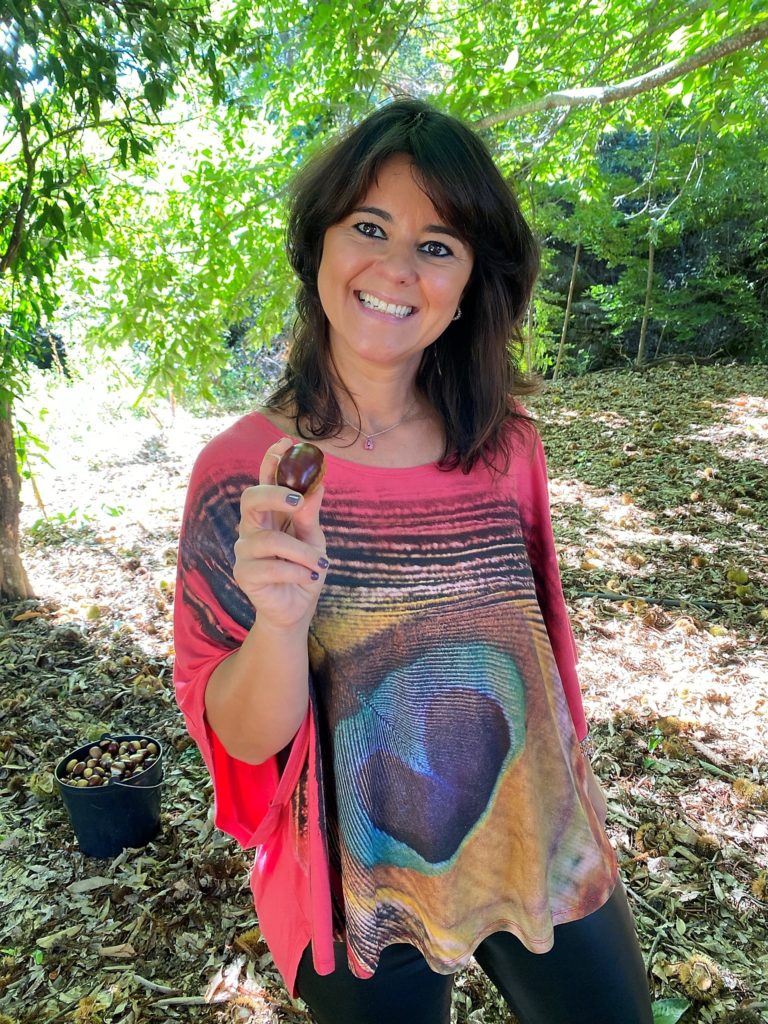
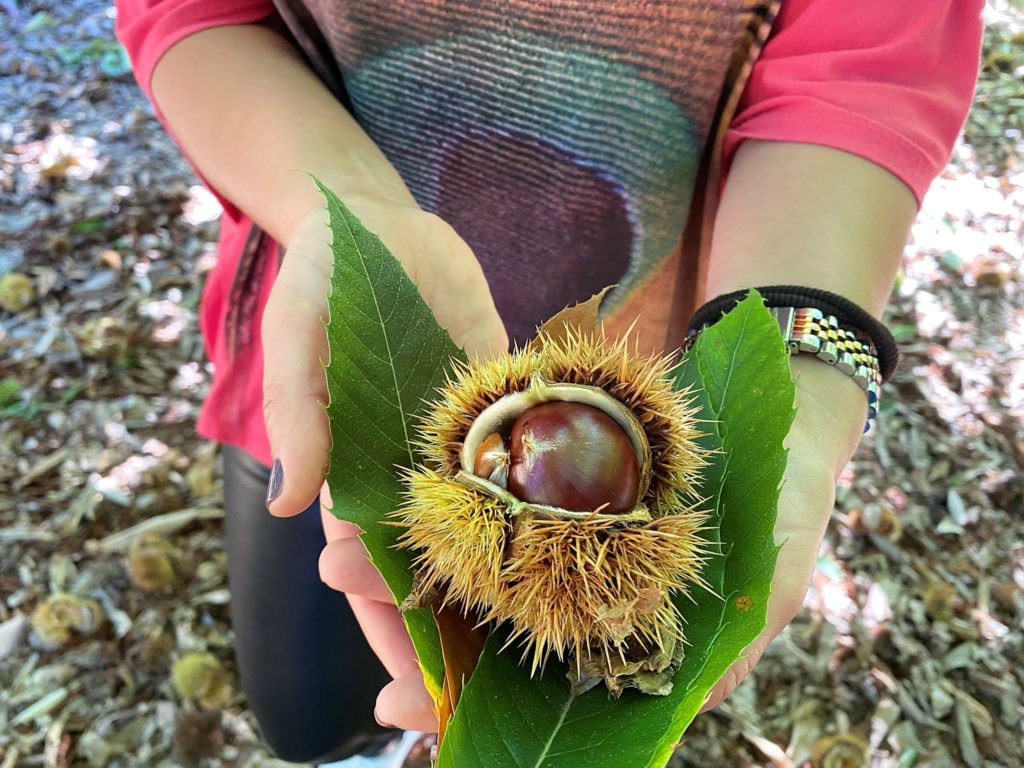
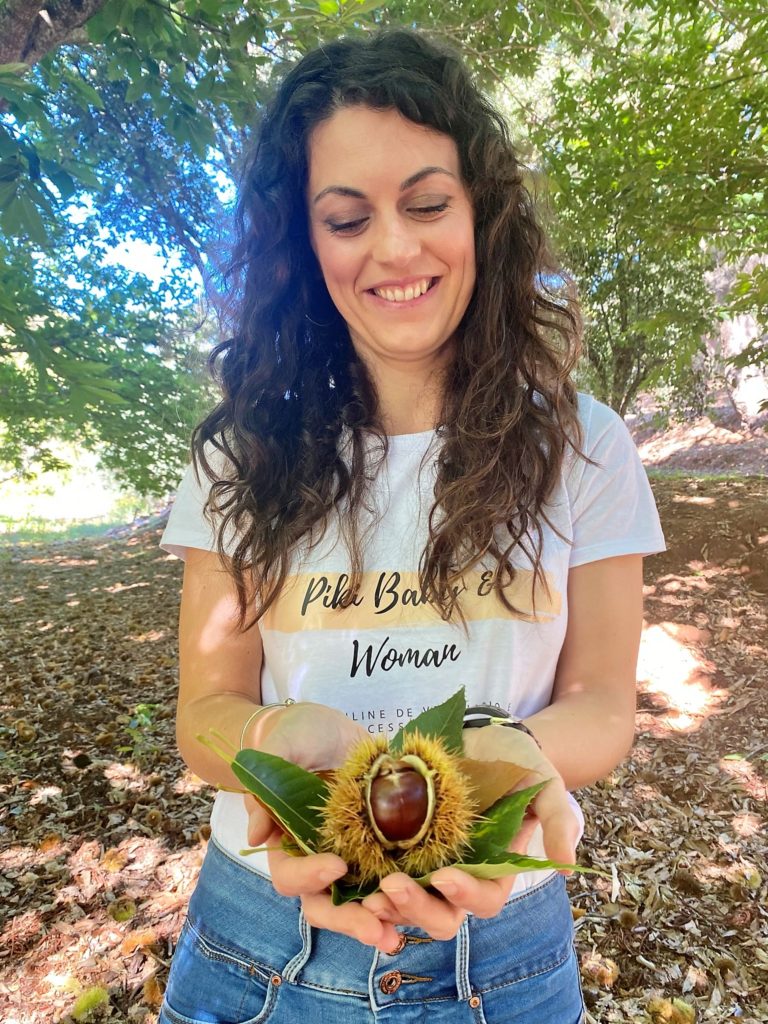
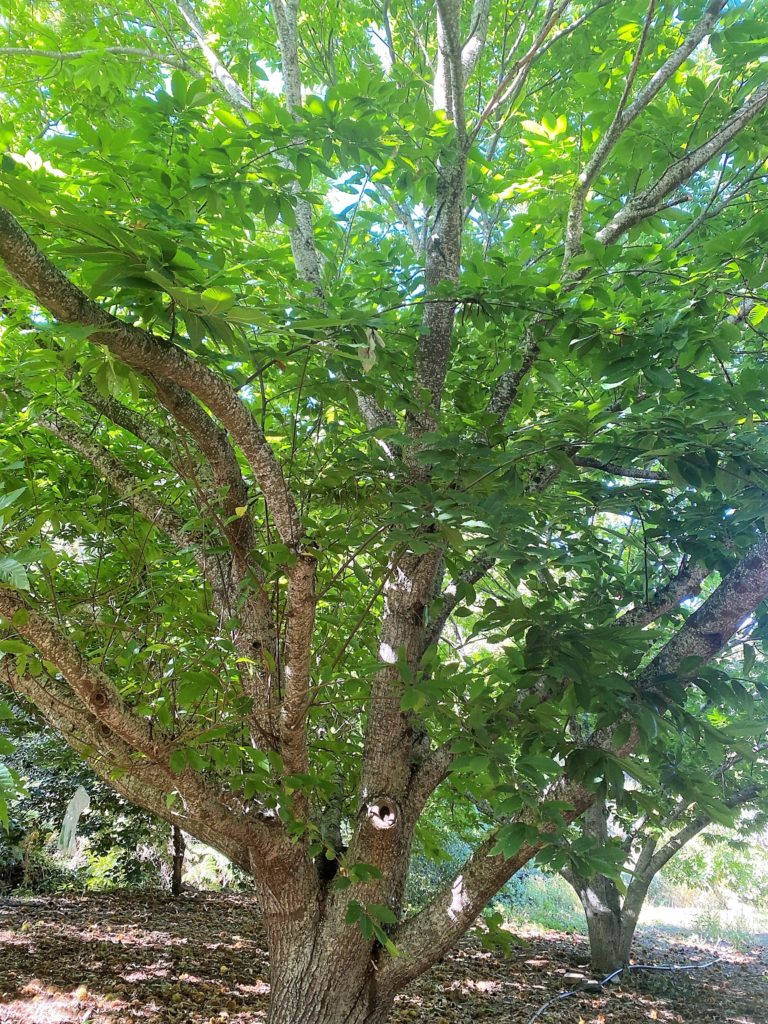
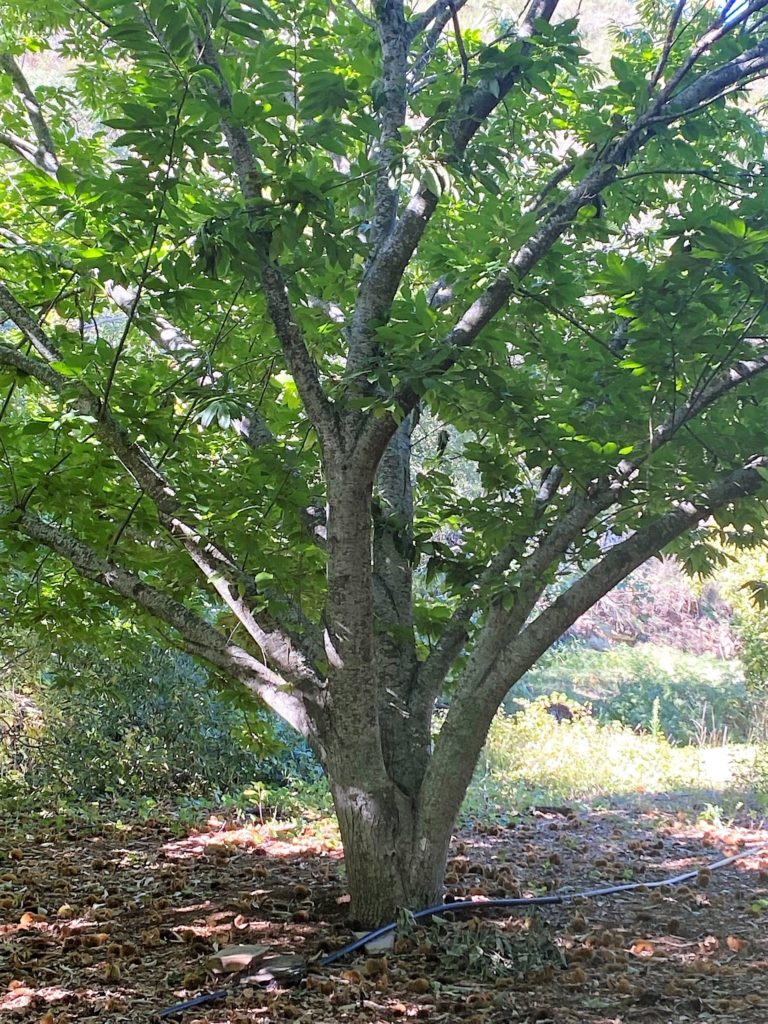
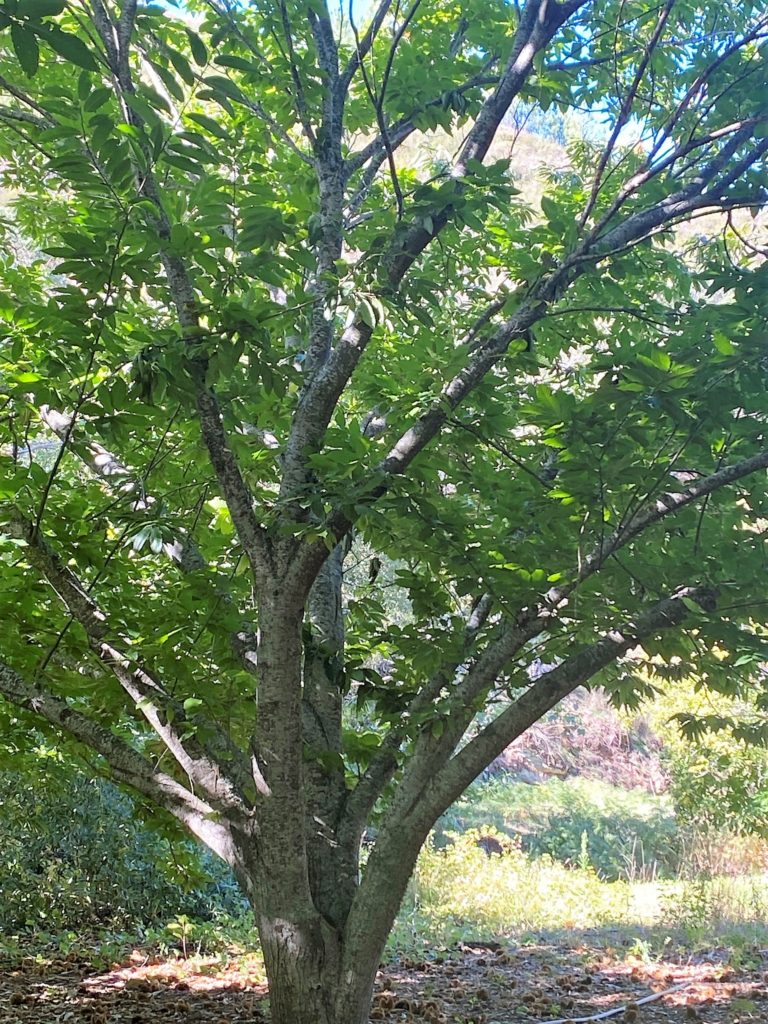
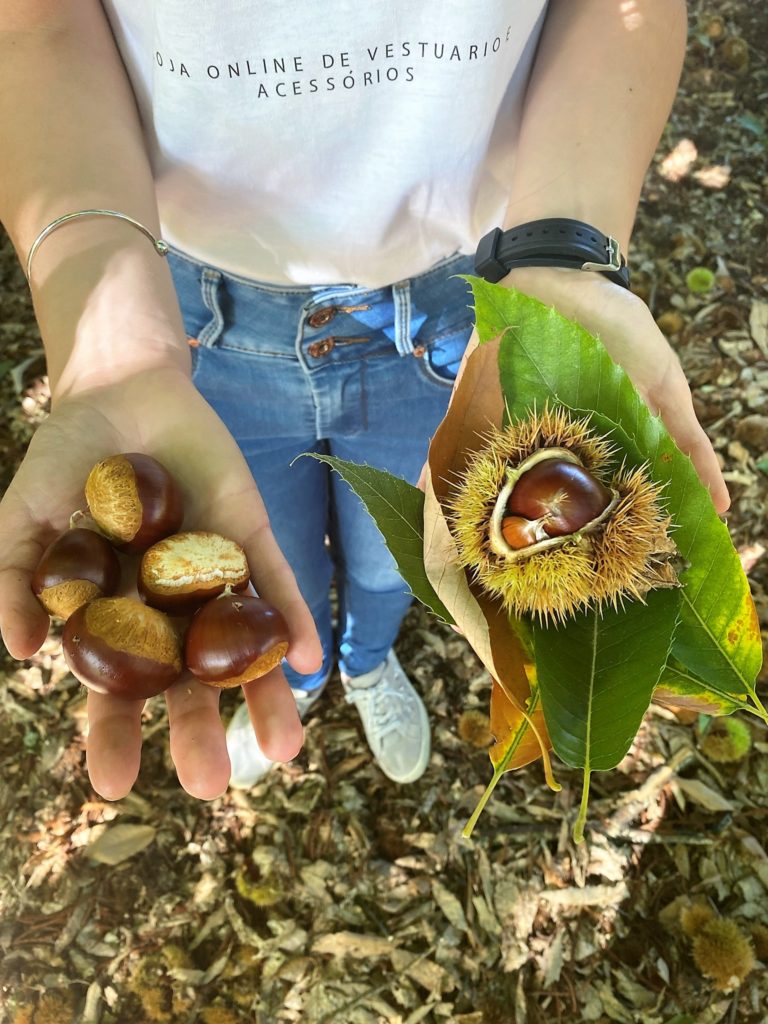
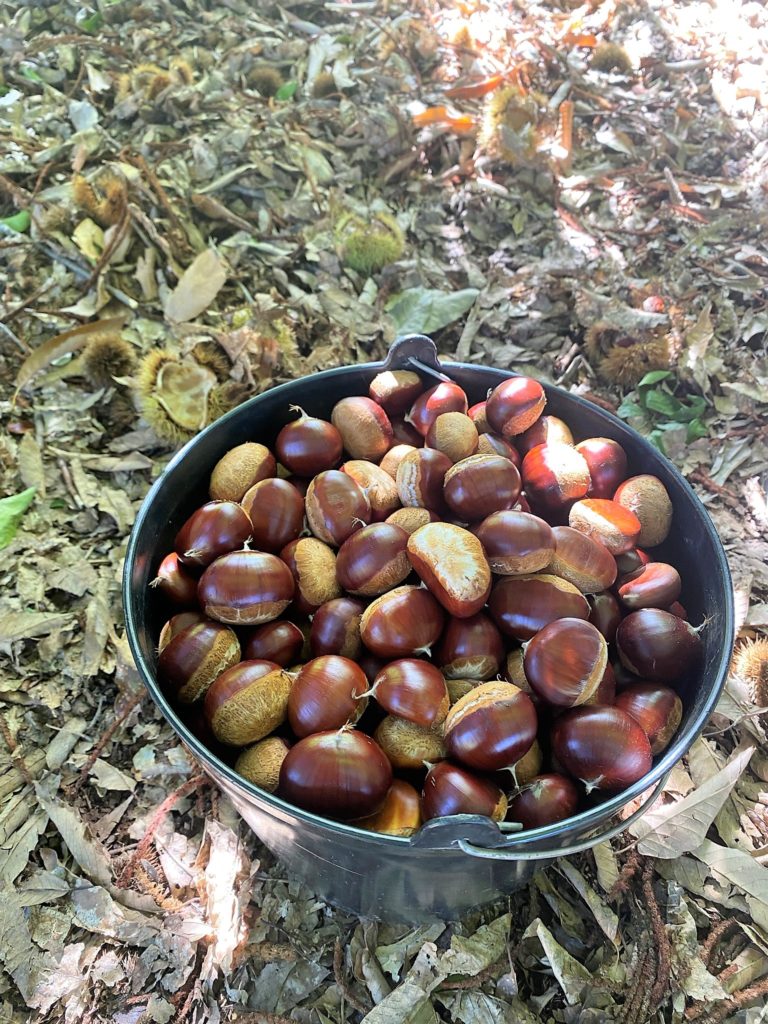
We were right in the heart of the Serra de S. Mamede, in S. Julião, and accompanied a morning of picking chestnuts with the Tânia Militão, which has had this seasonal "hobby" for many years.
The northwest-southeast orientation that characterises the Serra de S. Mamede mountain range allows you to enjoy an unrivalled diversity of flora.
Para além da singular paisagem que fascina quem por lá se aventura, esta imponente serra presenteia-nos com um clima quente e seco nas encostas voltadas a sudoeste e um clima mais fresco e húmido nas encostas orientadas para nordeste - o clima tipicamente conhecido por mediterrânico.
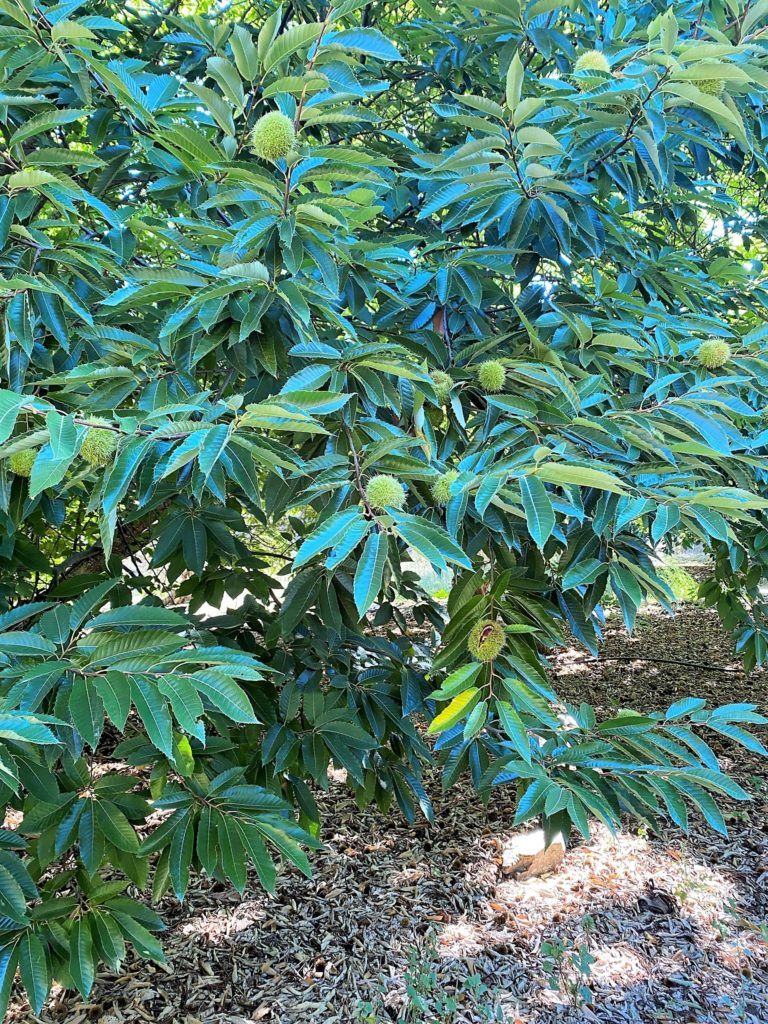
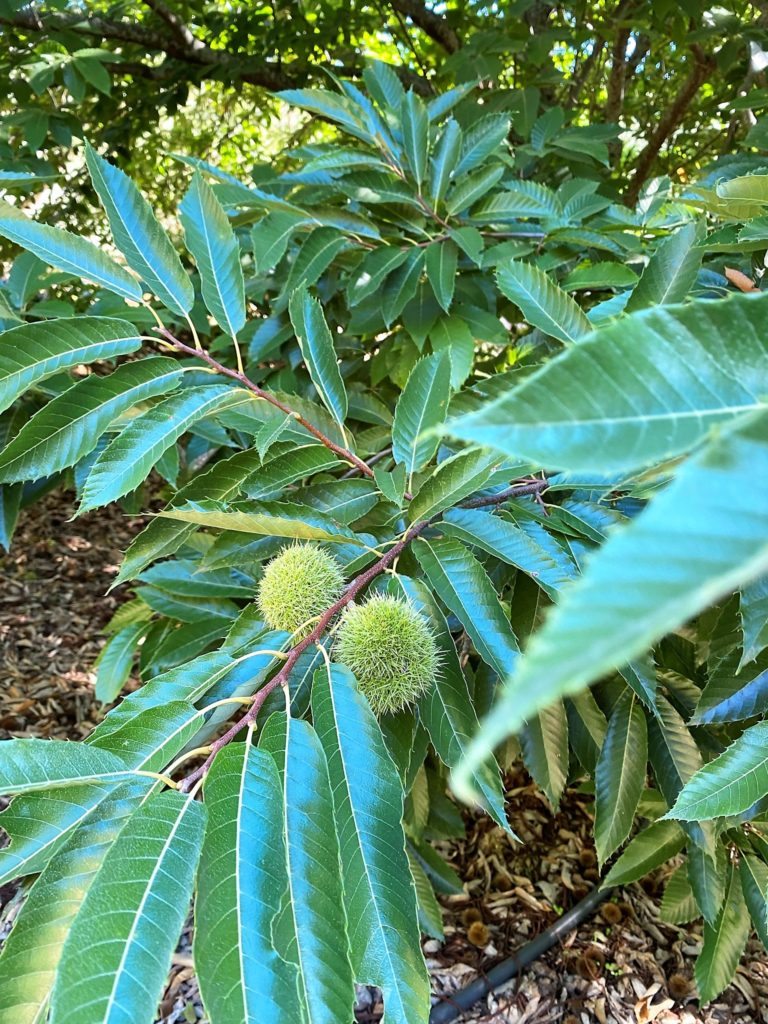
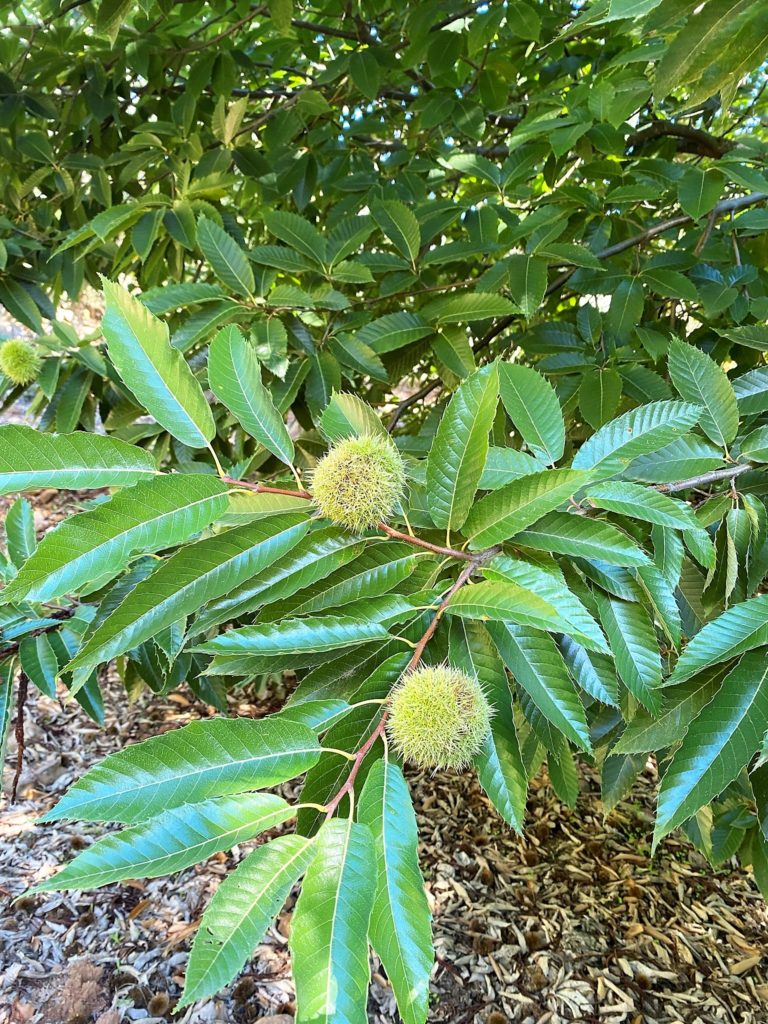
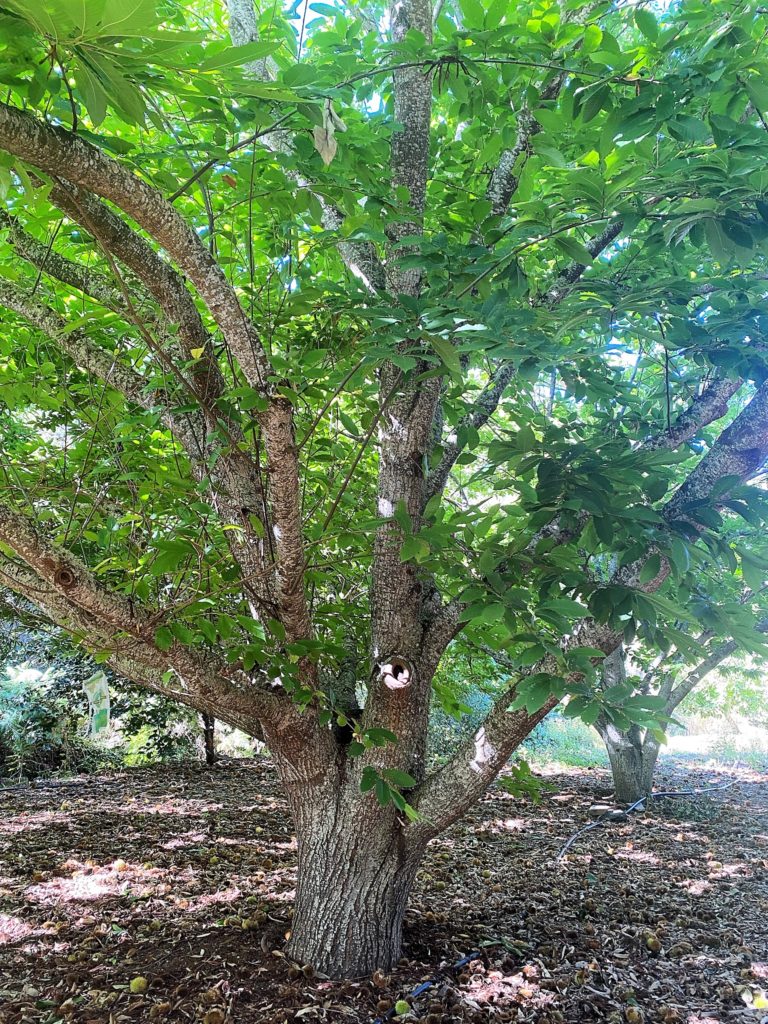
Since the chestnut tree is a medium-light tree, easily adaptable to different types of climate (preferring, however, humid, bright and not too harsh climates), it was, for many centuries, one of the main sources of food for families in the region and, even today, plays an important role in the local economy: generating seasonal employment, gastronomic and cultural events and eco-tourism.
The chestnut trees of the Serra de S. Mamede appreciate hot summers, rainy autumns, cold winters and slightly acidic soils, resulting from the schist of the mountains.
They rest imposingly, with canopies around 20-30 metres high, side by side with the Xévora River, which nourishes and feeds them with its pure, crystal-clear waters all year round.
Water, heat and mountain soil, just that and nothing more.
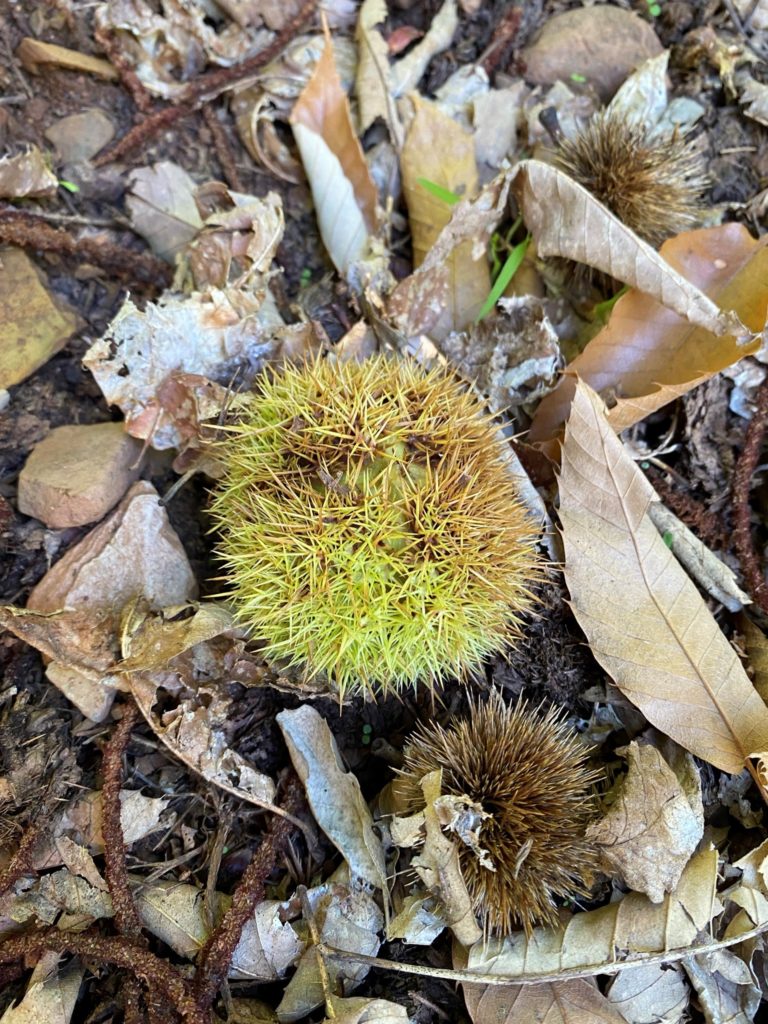
This is how the fruit of fruits is born. Queen of autumn and princess of family evenings.
As Tânia Militão explained, "Our chestnut has a supply of minerals that only the combination of climate and soil in the Serra de São Mamede gives them. Rich in vitamin C, potassium, phosphorus and folic acid, this is undoubtedly our greatest ally in the cold winter months. Picked by hand, one by one, respecting the cycle of the chestnut tree and the ripeness of its fruit, this produces a chestnut that is unique in flavour and quality. Such are the chestnuts of the Serra de S. Mamede."